
- Posizione BGG
- BGG #3987
- Valutazione BGG
- 7,0
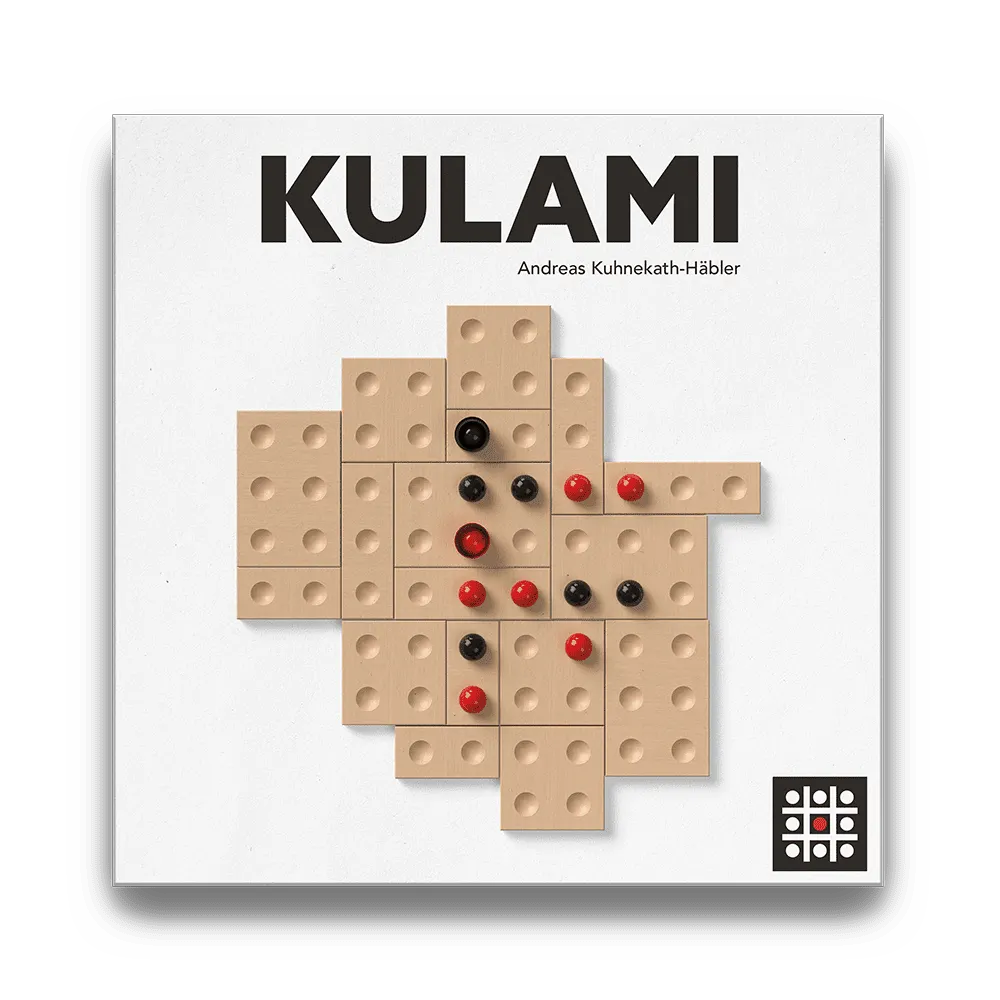
Kulami
- 2 giocatori
- 30 min
- Complessità 1,7/5
- 2011
2016
Aiuto con le regole di Micro Robots
Spiegazioni chiare di turni, effetti delle carte e situazioni dubbie, con riferimenti alle fonti ufficiali e cronologia delle domande salvata.
Per 2 giocatori
Cosa vuoi sapere?
Le risposte vengono dal regolamento ufficiale, con la pagina da verificare.
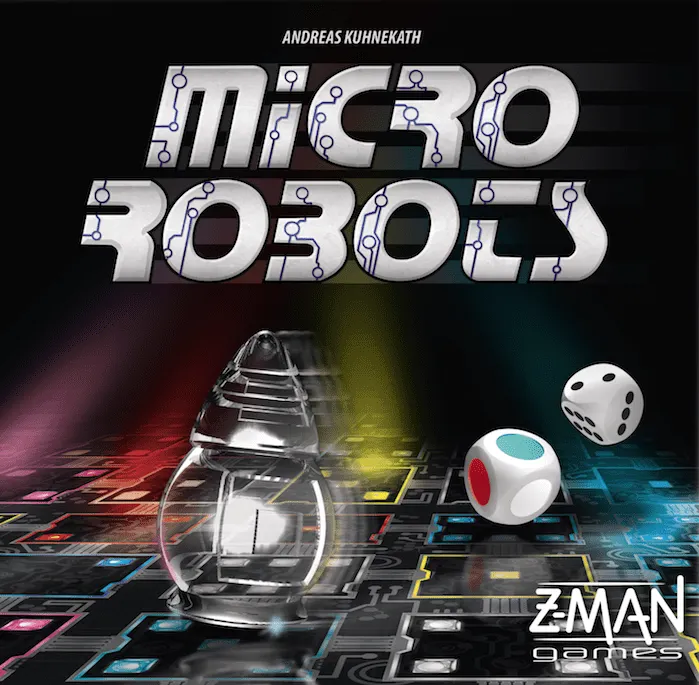
Micro Robots è un gioco da tavolo pubblicato nel 2016 per 2–99 giocatori, con partite da 20 minuti e dai 8 anni in su. È stato ideato da Andreas Kuhnekath-Häbler e le sue meccaniche principali sono Dice Rolling, Grid Movement e Modular Board.
In inglese
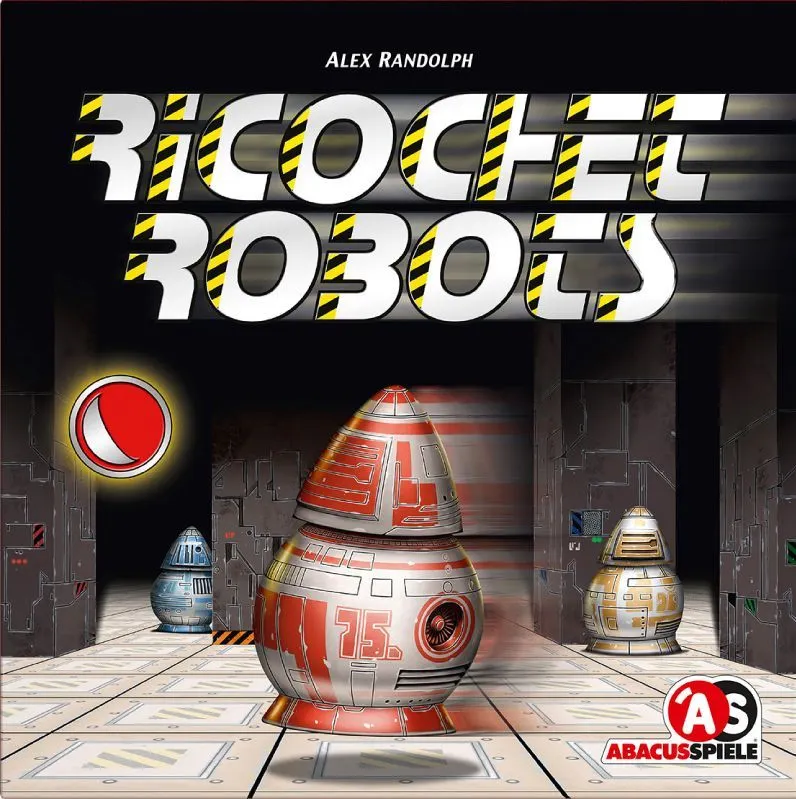
Micro Robots, a simultaneous play game inspired by Alex Randolph's classic Ricochet Robots, challenges players to quickly determine how a robot can move from one spot on the grid to another. To set up, choose to use the black or copper side of the four game boards, then arrange them in a 2x2 square. Each game board shows nine dice, and once arranged the completed grid shows 36 dice, with the dice being numbered 1-6 and showing six colors, with each combination of number and color appearing exactly once. Roll the color die and number die to determine the starting location for the transparent robot, then mark this space with the transparent starting token. In a round, roll the two dice to determine the target space; you can mark this space with a transparent victory token or simply have everyone remember which space they're trying to reach. Everyone simultaneously tries to figure out how to move the robot to the target space, and to move the robot, it must move orthogonally to a space that shares either the color or number of its current location. If the robot starts on "3-green", for example, it can move orthogonally to any space that shows either a 3 or is green; if you'd move it to "5-green", it can now once again move orthogonally to any space that shows either a 5 or is green; and so on. As soon as a player has a solution, they yell out the number of moves, then take the robot and demonstrate the solution. If the solution takes exactly the number of moves claimed, the player earns a victory token; if not, the player gives one of their victory tokens (if they have any) to the player with the fewest tokens. In either case, the former target space becomes the new starting space for the next round. If any player possesses five victory tokens, they win! If the 25 victory tokens are distributed before someone collects five, then whoever holds the most tokens wins, with ties being possible. Expert Micro Robots players can increase the challenge of the game by placing the target victory token on the board, then rolling the two dice once again. The players must now determine a solution that first moves the robot to the space showing on the dice, then to the final destination. The transparent robot in Micro Robots can also be used in Ricochet Robots. This robot moves like any other robot in that game except that for an additional move it can pass through a wall instead of stopping at it. It cannot move through the central barrier or the exterior walls, and the only target space on which it can land is the colored vortex.
Secondo il catalogo, Micro Robots supporta da 2 a 99 giocatori. L’intervallo corrisponde al numero di giocatori indicato dall’editore, quindi il gioco si può preparare per qualsiasi gruppo entro quei limiti. Preparazione, alcune regole e punteggio possono comunque variare in base al numero di giocatori: controlla la configurazione esatta nel regolamento della tua edizione.
La durata indicata per Micro Robots è di 20 minuti, la stima dell’editore per una partita completa. La durata effettiva dipende dal gruppo, dal numero di giocatori e dalla conoscenza delle regole: le prime partite durano di più, i gruppi esperti finiscono prima. Preparazione e spiegazione delle regole non sono comprese nella stima.
Il catalogo indica Micro Robots dai 8 anni in su. È la raccomandazione dell’editore e tiene conto della lettura richiesta, della complessità delle regole e dei componenti piccoli, non solo del tema. I più giovani spesso possono giocare con l’aiuto di un adulto: controlla l’età consigliata sulla tua edizione e l’esperienza del tuo gruppo con i giochi da tavolo.
Micro Robots ha un punteggio di complessità di 1,7 su 5 secondo i giocatori di BoardGameGeek, il che lo rende un gioco leggero. Il punteggio riflette quanta conoscenza delle regole, pianificazione e decisioni richiede una partita tipica. I giochi impegnativi richiedono una prima spiegazione più lunga, quindi conviene usare una guida di preparazione.
Micro Robots appartiene a queste categorie: Abstract Strategy, Puzzle e Real-time. Le sue meccaniche principali sono Dice Rolling, Grid Movement e Modular Board. Le categorie descrivono il tema e l’ambientazione di un gioco, mentre le meccaniche descrivono ciò che i giocatori fanno davvero nel proprio turno. Ogni meccanica porta a una pagina del catalogo con giochi simili.
Gli autori accreditati di Micro Robots sono: Andreas Kuhnekath-Häbler. Questi crediti provengono dai dati pubblicati del gioco e indicano le persone responsabili della sua progettazione, non gli illustratori o gli editori. Le pagine degli autori su MeepleRules raccolgono altri titoli degli stessi autori, utili quando un gioco ti piace e ne cerchi di simili.
Il catalogo classifica Micro Robots come gioco base. Si gioca da solo con i componenti presenti nella scatola e non richiede altri titoli. Le espansioni, se esistono, aggiungono nuovo contenuto o nuove regole e sono elencate separatamente nel catalogo con un collegamento a questo gioco base.