
- Posizione BGG
- BGG #99
- Valutazione BGG
- 7,7
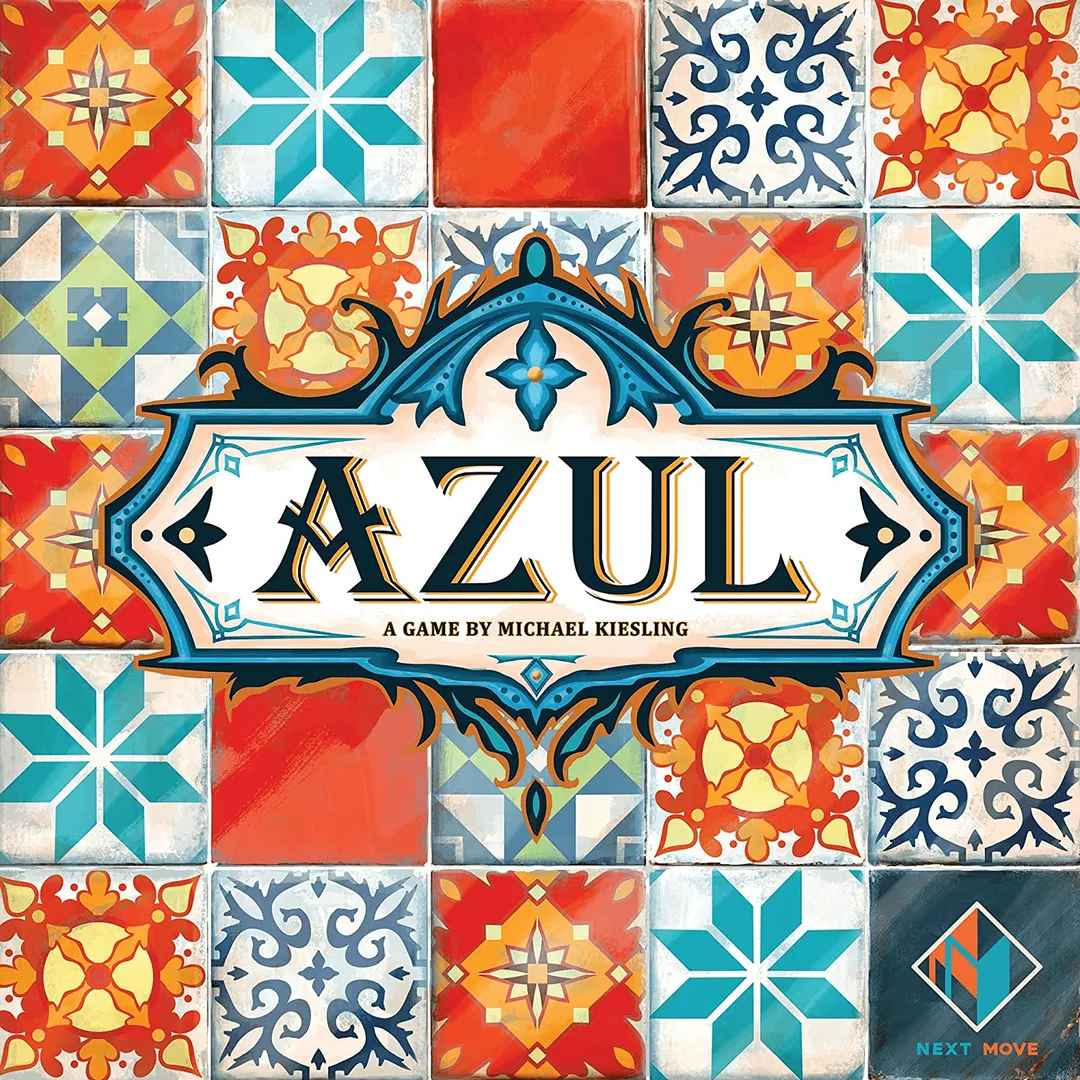
Azul
- 2–4 giocatori
- 30–45 min
- Complessità 1,8/5
- 2017
2011
Aiuto con le regole di Moeraki: Kemu
Spiegazioni chiare di turni, effetti delle carte e situazioni dubbie, con riferimenti alle fonti ufficiali e cronologia delle domande salvata.
Per 2 giocatori
Cosa vuoi sapere?
Le risposte vengono dal regolamento ufficiale, con la pagina da verificare.
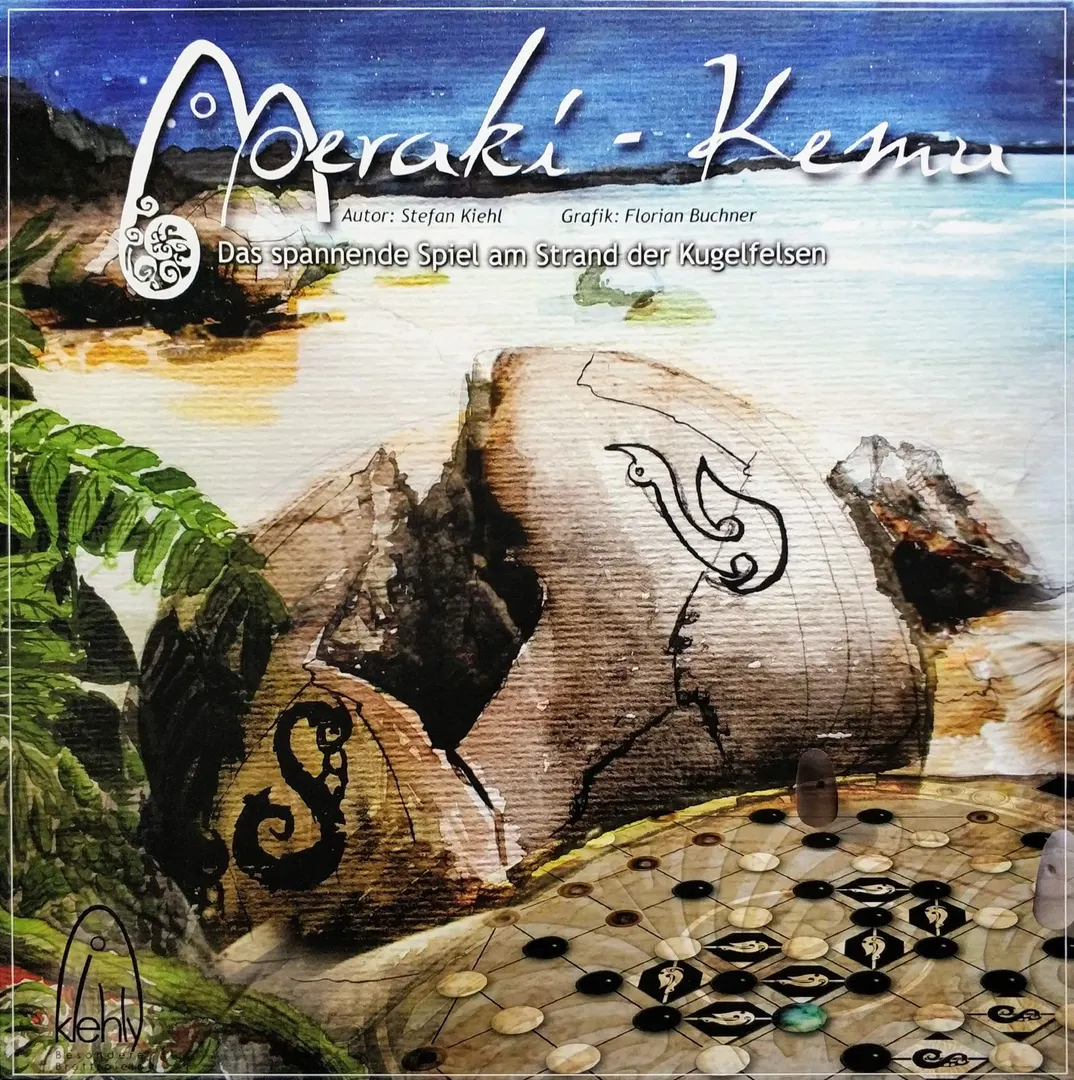
Moeraki: Kemu è un gioco da tavolo pubblicato nel 2011 per 2 giocatori, con partite da 25 minuti e dai 8 anni in su. È stato ideato da Stefan Kiehl e le sue meccaniche principali sono Tile Placement e Pattern Building.






In inglese
Moeraki - Kemu is about the rivalry between two Maori tribes on the southern island of New Zealand: the Matau (hooks) and the Manala (birds). The game is played on a diagonal grid, with the players playing pieces on the intersections. The basic game is played as follows: At the start of the game, the first player places the neutral Moeraki-ball on one of the nine central intersections of the board. After that, the players take turns placing one of their own pieces on the board. When a square is on the board is completely enclosed by pieces, the player who has the majority (normally 3:1, but it can be 2:1 or 3:0 next to the edge or the neutral Moeraki-ball) claims the field and places a tribe marker on it. The game can be won in one of four ways: 1. Tahuna (beach): A player wins if he has enclosed a field with four of his own pieces. 2. Awa (river): A player wins if he has a piece on each of the intersections on one of the diagonal lines from one edge to another edge. 3. Ara (road): A player wins if he has a piece on each of the four intersections on one edge. 4. Marae (holy ground): When all the fields in the center have been claimed, players count the number of tribal markers they have got on the board (markers that are on the edge and that have been claimed with a 2:1 majority count only half). The player with the most markers wins the game. The players win several matches, until one of them has won the pre-determined amount of matches. In the advanced version of the game, both players receive a Maori-Tane (warrior). Once during the game, a player may place the Tane on the board instead of a tribal marker. When he does so, all he chooses a direction. Any fields between the Tane and the edge in that direction cannot be claimed; any markers already present are removed.
Secondo il catalogo, Moeraki: Kemu supporta 2 giocatori. È il numero di giocatori indicato dall’editore, quindi il gioco è pensato esattamente per quel numero di partecipanti. Le varianti per gruppi di altre dimensioni, se esistono, sono descritte nel regolamento della tua edizione: consultalo prima di preparare una configurazione diversa.
La durata indicata per Moeraki: Kemu è di 25 minuti, la stima dell’editore per una partita completa. La durata effettiva dipende dal gruppo, dal numero di giocatori e dalla conoscenza delle regole: le prime partite durano di più, i gruppi esperti finiscono prima. Preparazione e spiegazione delle regole non sono comprese nella stima.
Il catalogo indica Moeraki: Kemu dai 8 anni in su. È la raccomandazione dell’editore e tiene conto della lettura richiesta, della complessità delle regole e dei componenti piccoli, non solo del tema. I più giovani spesso possono giocare con l’aiuto di un adulto: controlla l’età consigliata sulla tua edizione e l’esperienza del tuo gruppo con i giochi da tavolo.
Moeraki: Kemu ha un punteggio di complessità di 2,8 su 5 secondo i giocatori di BoardGameGeek, il che lo rende un gioco piuttosto leggero. Il punteggio riflette quanta conoscenza delle regole, pianificazione e decisioni richiede una partita tipica. I giochi impegnativi richiedono una prima spiegazione più lunga, quindi conviene usare una guida di preparazione.
Moeraki: Kemu appartiene a queste categorie: Abstract Strategy. Le sue meccaniche principali sono Tile Placement e Pattern Building. Le categorie descrivono il tema e l’ambientazione di un gioco, mentre le meccaniche descrivono ciò che i giocatori fanno davvero nel proprio turno. Ogni meccanica porta a una pagina del catalogo con giochi simili.
Gli autori accreditati di Moeraki: Kemu sono: Stefan Kiehl. Questi crediti provengono dai dati pubblicati del gioco e indicano le persone responsabili della sua progettazione, non gli illustratori o gli editori. Le pagine degli autori su MeepleRules raccolgono altri titoli degli stessi autori, utili quando un gioco ti piace e ne cerchi di simili.
Il catalogo classifica Moeraki: Kemu come gioco base. Si gioca da solo con i componenti presenti nella scatola e non richiede altri titoli. Le espansioni, se esistono, aggiungono nuovo contenuto o nuove regole e sono elencate separatamente nel catalogo con un collegamento a questo gioco base.