
- Posizione BGG
- BGG #15.435
- Valutazione BGG
- 7,0
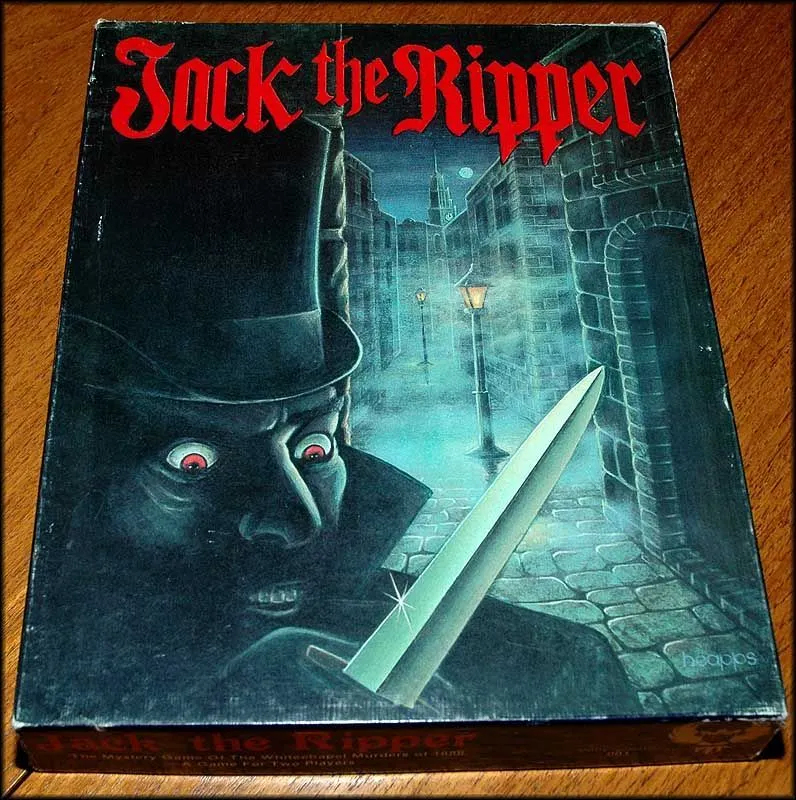
Jack The Ripper
- 2 giocatori
- 120 min
- Complessità 2,4/5
- 1983
1983
Aiuto con le regole di Mohawk
Spiegazioni chiare di turni, effetti delle carte e situazioni dubbie, con riferimenti alle fonti ufficiali e cronologia delle domande salvata.
Per 2 giocatori
Cosa vuoi sapere?
Le risposte vengono dal regolamento ufficiale, con la pagina da verificare.
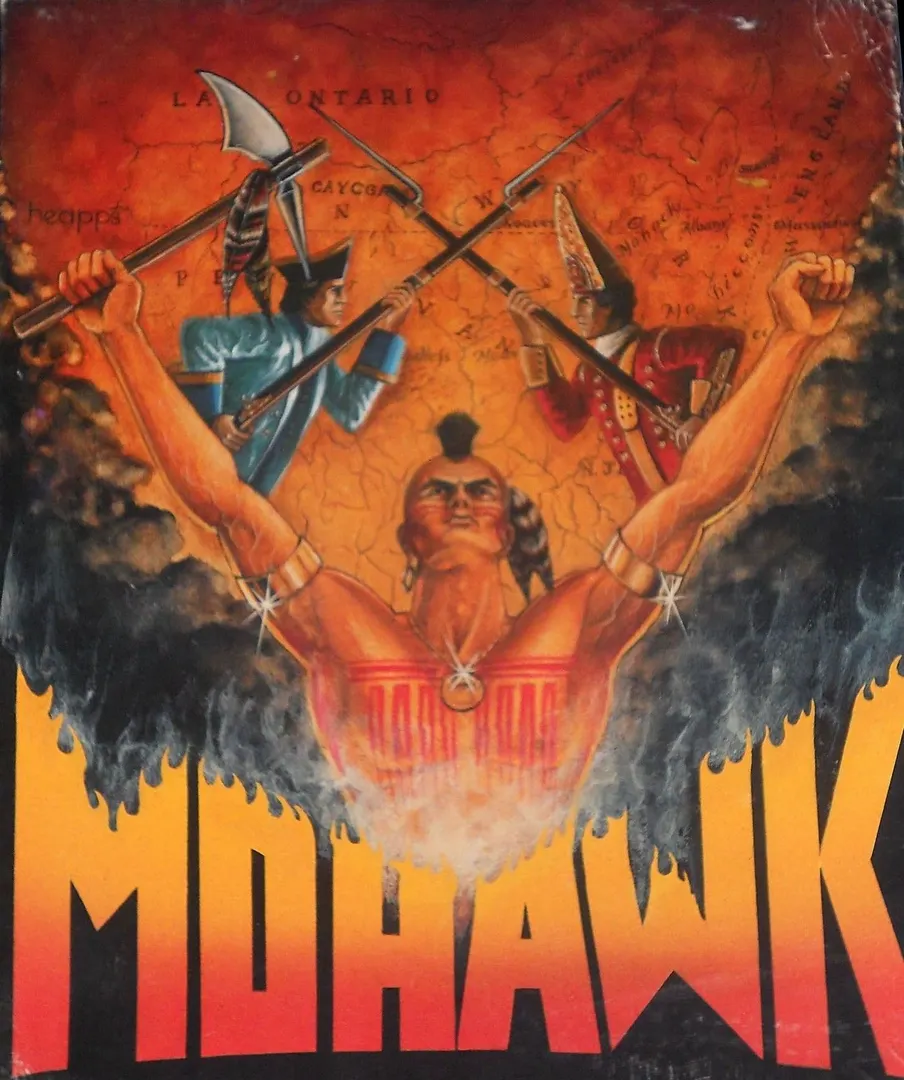
Mohawk è un gioco da tavolo pubblicato nel 1983 per 2 giocatori, con partite da 240 minuti e dai 14 anni in su. È stato ideato da Tom Loback e Rick Bowes e le sue meccaniche principali sono Dice Rolling, Point to Point Movement e Variable Set-up.




In inglese
"Mohawk" is a wargame of the "French and Indian War" in North America. Mounted, color mapboard measures 22" x 17". Map features significant land and water routes used in the period. Inset maps are included for high seas naval movement and tactical battle resolution. 176 two-sided mounted and die-cut counters represent regular and militia, Indians, fortresses and fleets. Reinforcements from Europe are variable depending on naval activity. Militia must be "mustered," and "go home" at the end of each campaign year. Natives are influenced by "gifts and supplies" and by battlefield victories. Road, Indian trail and Water movement all have key roles in operations. Battles occur between opposing forces occupying the same point. Engagements take place on an inset map determined by terrain and situation: "Attacking/Defending Fort," "Open Ground," "Wood" (forested) or "Landing." Modifiers apply depending on whether engaged units are Regulars, Militia, or Indians, Rangers and Couriers de Bois. Units engaging in battle line up opposite one another. A "hit" is determined by a D6 roll of "6." Die rolls are modified according to unit type and battle setting (Regulars defending a fort, for example, are "plus 2", hitting on a four or better). All units, except Iroquois, are flipped on the first hit and eliminated on the second. At the start of his/her battle turn, a player may elect to "retreat" in lieu of firing. Retreating units move to an adjacent friendly point, preferably toward their Base of Operations. At the end of a victorious battle, flipped pieces are turned back to full strength, and one victorious militia unit, if present, may be "promonted" to a Regular or Ranger (British) or a "Troop of the Marine battalion" or "Courier de Bois" (French). Fortresses can be built; Towns and Fortresses can be burned. Supply is critical at the end of a campaign year; all Regular and militia units must occupy either a town or fort, or is not connected by a red road (not trail). They must be able to trace supply by road or waterway to their Base of Operations (Montreal or Quebec for the French; Boston, New York or Philadelphia for the British). Regular or militia units which fail these conditions are eliminated unless they are in a seaport. The powerful Iroquois Nation is key to victory. Three of the six Iroquois tribes begin aligned with each side (the counters are two-sided). After each battle, the victor of that battle flips one Iroquois unit to his/her side. Any time a player begins his/her turn with all six tribes oriented to his/her side, the Iroquois have joined him/her for the duration. The other twenty tribes are activated to support the French either by the activities of the Couriers de Bois, or by French bribes ("gifts and supplies"). Except for the Iroquois, Native tribes usually "go home" after a victory (to celebrate). Victory is determined by conquest. The French must begin a turn, or end the game, holding Albany and one of New York, Boston or Philadelphia, or must deny the British their victory conditions. The British must hold a total of three French cities from the list of Louisbourg, Frontenac, Duquesne, Montreal or Quebec (at least one must be Montreal or Quebec).
Secondo il catalogo, Mohawk supporta 2 giocatori. È il numero di giocatori indicato dall’editore, quindi il gioco è pensato esattamente per quel numero di partecipanti. Le varianti per gruppi di altre dimensioni, se esistono, sono descritte nel regolamento della tua edizione: consultalo prima di preparare una configurazione diversa.
La durata indicata per Mohawk è di 240 minuti, la stima dell’editore per una partita completa. La durata effettiva dipende dal gruppo, dal numero di giocatori e dalla conoscenza delle regole: le prime partite durano di più, i gruppi esperti finiscono prima. Preparazione e spiegazione delle regole non sono comprese nella stima.
Il catalogo indica Mohawk dai 14 anni in su. È la raccomandazione dell’editore e tiene conto della lettura richiesta, della complessità delle regole e dei componenti piccoli, non solo del tema. I più giovani spesso possono giocare con l’aiuto di un adulto: controlla l’età consigliata sulla tua edizione e l’esperienza del tuo gruppo con i giochi da tavolo.
Mohawk ha un punteggio di complessità di 2,0 su 5 secondo i giocatori di BoardGameGeek, il che lo rende un gioco piuttosto leggero. Il punteggio riflette quanta conoscenza delle regole, pianificazione e decisioni richiede una partita tipica. I giochi impegnativi richiedono una prima spiegazione più lunga, quindi conviene usare una guida di preparazione.
Mohawk appartiene a queste categorie: Wargame, Nautical e Age of Reason. Le sue meccaniche principali sono Dice Rolling, Point to Point Movement e Variable Set-up. Le categorie descrivono il tema e l’ambientazione di un gioco, mentre le meccaniche descrivono ciò che i giocatori fanno davvero nel proprio turno. Ogni meccanica porta a una pagina del catalogo con giochi simili.
Gli autori accreditati di Mohawk sono: Tom Loback e Rick Bowes. Questi crediti provengono dai dati pubblicati del gioco e indicano le persone responsabili della sua progettazione, non gli illustratori o gli editori. Le pagine degli autori su MeepleRules raccolgono altri titoli degli stessi autori, utili quando un gioco ti piace e ne cerchi di simili.
Il catalogo classifica Mohawk come gioco base. Si gioca da solo con i componenti presenti nella scatola e non richiede altri titoli. Le espansioni, se esistono, aggiungono nuovo contenuto o nuove regole e sono elencate separatamente nel catalogo con un collegamento a questo gioco base.