
- Posizione BGG
- BGG #5719
- Valutazione BGG
- 8,2
Nightfighter Ace: Air Defense Over Germany, 1943-44
- 1–2 giocatori
- 120–180 min
- Complessità 2,3/5
- 2018
2019
Aiuto con le regole di Pacific Tide: The United States Versus Japan, 1941-45
Spiegazioni chiare di turni, effetti delle carte e situazioni dubbie, con riferimenti alle fonti ufficiali e cronologia delle domande salvata.
Per 1 giocatore
Cosa vuoi sapere?
Le risposte vengono dal regolamento ufficiale, con la pagina da verificare.
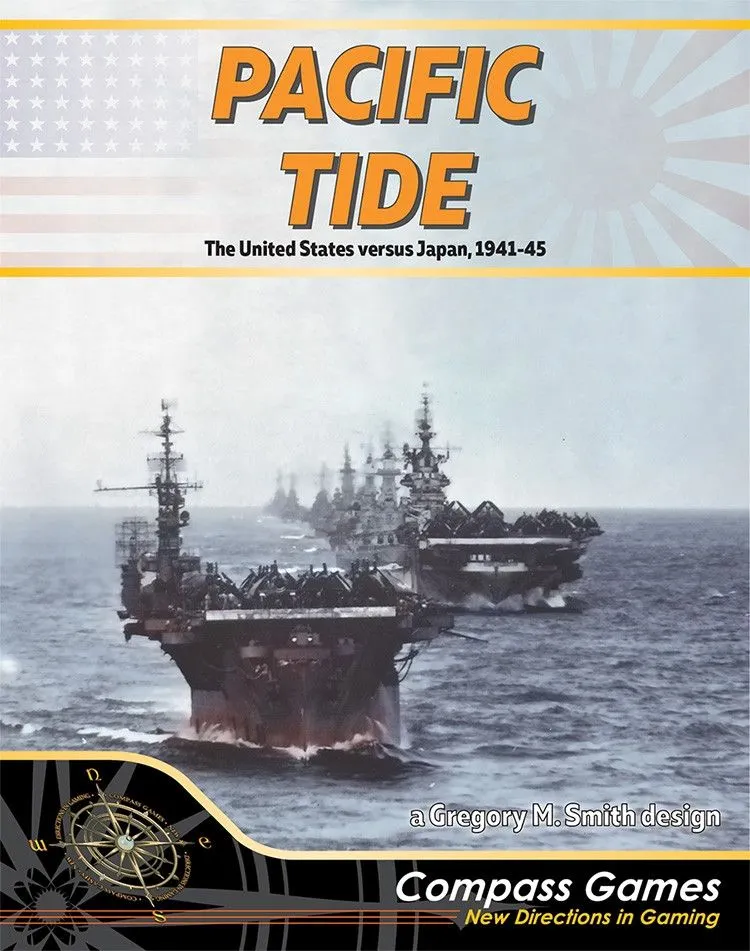
Pacific Tide: The United States Versus Japan, 1941-45 è un gioco da tavolo pubblicato nel 2019 per 1–2 giocatori, con partite da 120 a 240 minuti e dai 14 anni in su. È stato ideato da Gregory M. Smith e le sue meccaniche principali sono Area Movement, Dice Rolling e Point to Point Movement.
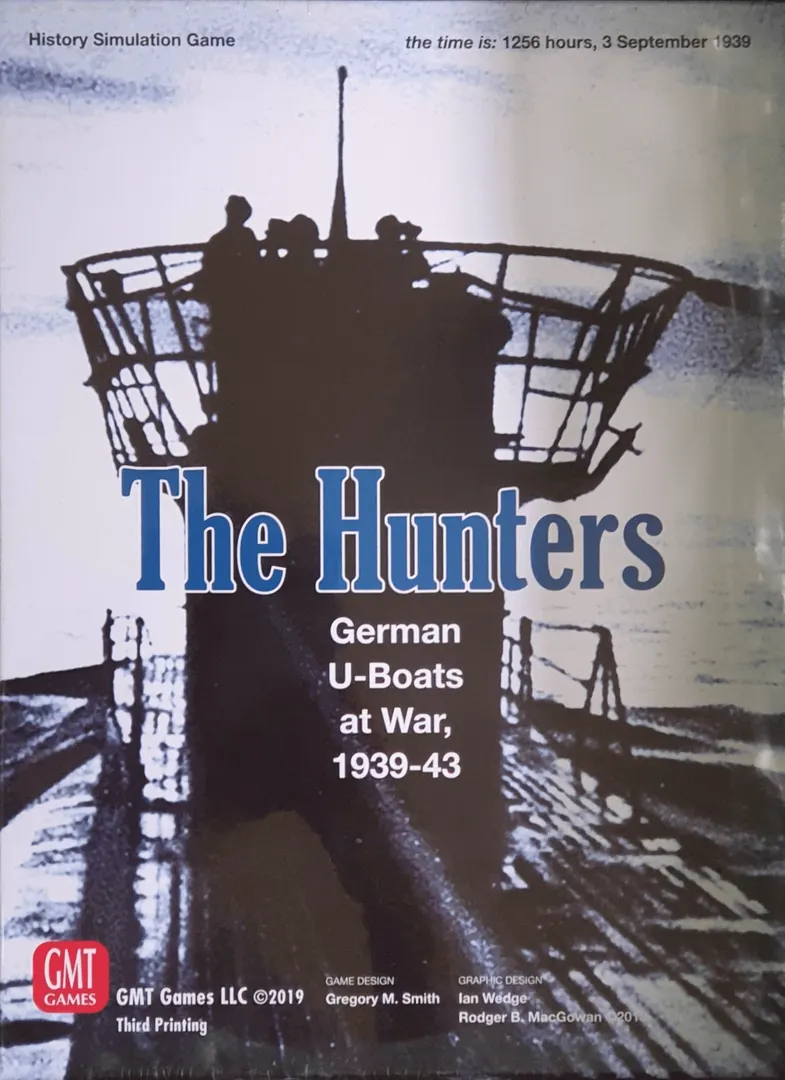
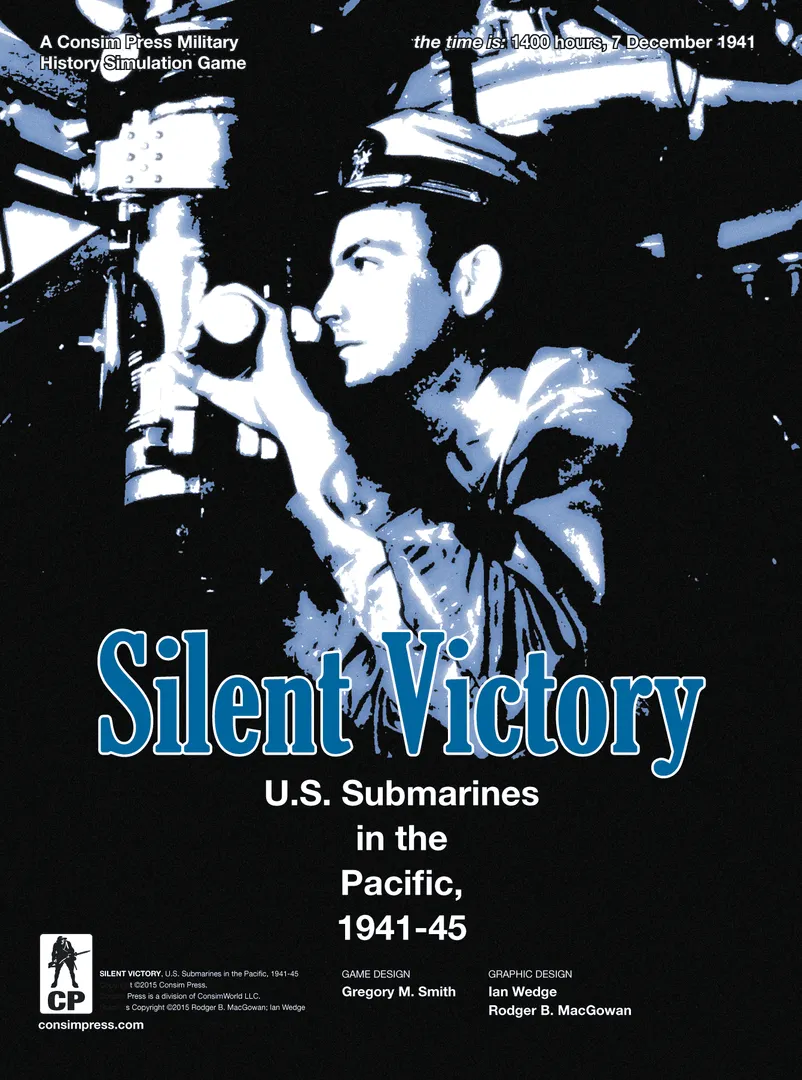
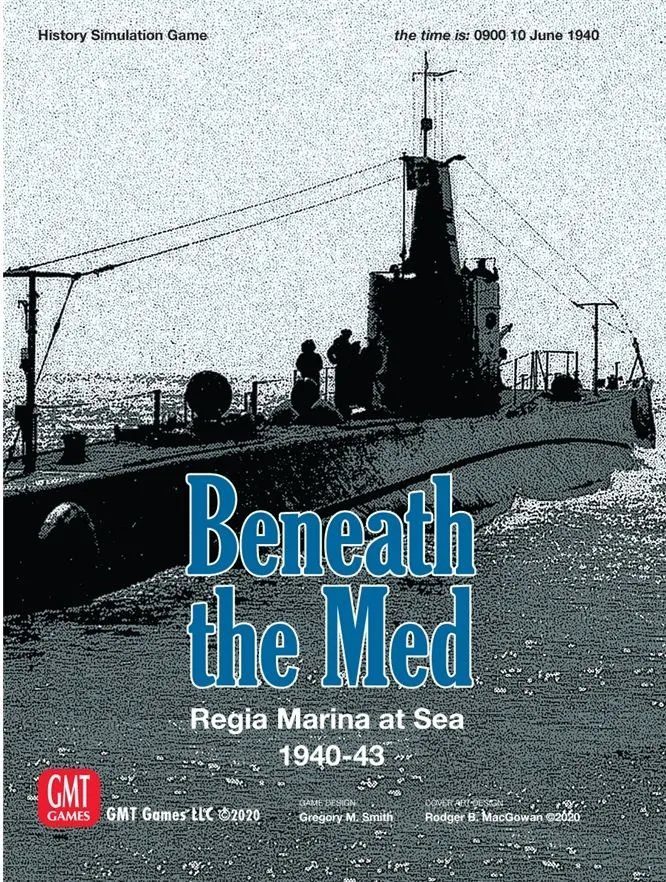
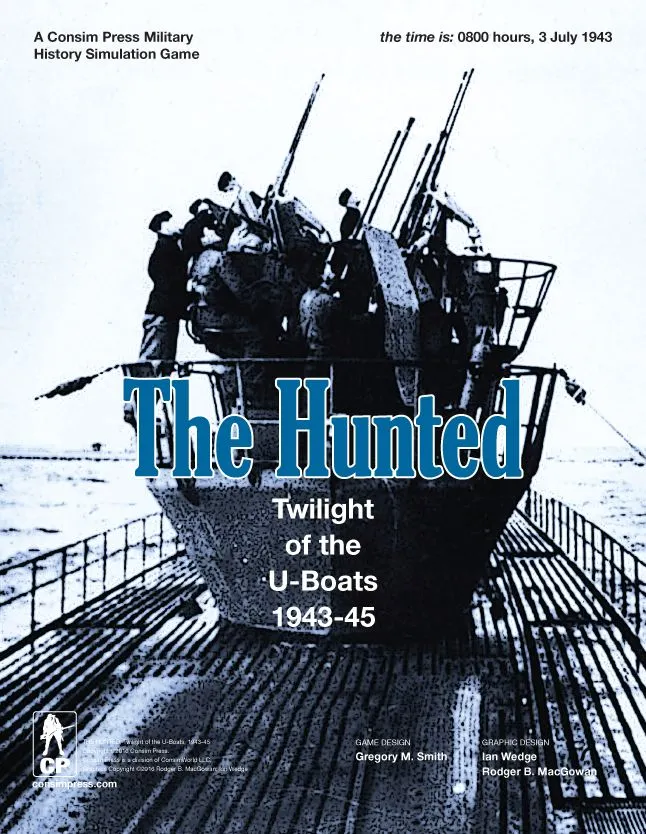
In inglese
Pacific Tide: The United States versus Japan, 1941-45 is a compact, Strategic-level board wargame covering the struggle between the United States (including some Commonwealth forces) and Japan in World War II by game designer Gregory M. Smith. This game utilizes a unique and fast-paced, card-driven combat/build system revolving around carrier operations which will provide players with a multitude of decisions. While extremely competitive as a two-player game, Pacific Tide can be enjoyed again and again in Solitaire play format with its unique, “personality” driven bot system. Despite the Strategic level of the game, there are operational and even tactical nuances, as players must decide when and how to commit their carrier forces, land-based air, and even their intelligence assets. To a degree, the Japanese player is racing against the clock. The quality of his pilots degrades over time, and starting in 1943, he also loses the strategic initiative as he becomes the second player. The US Player is also fighting the clock, as he cannot sit back and take a relaxed approach to defeating Japan. If he doesn't win by 1945, he doesn't win at all. Tension build as both sides race toward decisive carrier battles and seizure of key geographical objectives. The card-based combat/build system is a different take on the "normal" event/operations points driven systems. Separate card decks are provided for the U.S. and Japanese player. Each year, the players receive that year's cards for free…but must use build points to repurchase older cards. This will cause the player a few agonizing moments, as he typically cannot afford to re-buy every card he needs (or thinks he needs). Players must also decide which aspect of cards to use – many have multiple but exclusive uses (such as, "Do A or do B") and these uses sometimes give very different results based on operational or strategic needs at the time. To help ensure a tense and dynamic game, the system forces players to make many choices and decisions throughout play. Units comprise five different types: • CV units represent individual carriers or small groups of escort carriers • INF units represent all types of ground combat troops, including Marine and Army units • Naval Air units represent carrier borne aircraft • Land Air units represent bombers and fighters based on land • Partisan units represent the Filipino resistance, which grew to considerable size by the end of the war • Campaign set up and reinforcement codes are printed on the counter • Enhanced ergonomics are built into the set up and reinforcement charts Control and Entrench markers are also provided for play. Special rules are provided for amphibious attacks, repair of fleets, supply effects, and guerillas. Bidding rules determine which side one will play in a tournament-style play format. As a bonus for solo players, Pacific Tide features a solitaire assistant – commonly known as a "Bot" – which gives guidance to the player for either side during solitaire play. The assistant acts differently based on the "personality" it's been given...aggressive, defensive, or balanced. All game cards have a rating which the assistants will prioritize differently for play. While extremely competitive as a two-player game, Pacific Tide can be enjoyed again and again in solitaire play format with its unique, “personality” driven Bot-system. Product Information: Complexity: 3 out of 10 Solitaire Suitability: 10 out of 10 Time Scale: Single Year Turns with alternating, multiple cards plays per player Map Scale: Area map Unit Scale: from individual carriers or carrier groups, fleets, army-level infantry, air groups Players: one to two, best with two Playing Time: two to four hours Components: One map (17" x 22" map size) One Countersheet of 9/16” unit-counters 52 Game Cards Rules booklet 16 Six-sided Dice Box and Lid Game Credits: Designer: Gregory M. Smith Artist: Ilya Kudriashov Package Design: Ilya Kudriashov and Brien Miller Project Director: John Kranz
Secondo il catalogo, Pacific Tide: The United States Versus Japan, 1941-45 supporta da 1 a 2 giocatori. L’intervallo corrisponde al numero di giocatori indicato dall’editore, quindi il gioco si può preparare per qualsiasi gruppo entro quei limiti. Preparazione, alcune regole e punteggio possono comunque variare in base al numero di giocatori: controlla la configurazione esatta nel regolamento della tua edizione.
La durata indicata per Pacific Tide: The United States Versus Japan, 1941-45 è di 120–240 minuti, la stima dell’editore per una partita completa. La durata effettiva dipende dal gruppo, dal numero di giocatori e dalla conoscenza delle regole: le prime partite durano di più, i gruppi esperti finiscono prima. Preparazione e spiegazione delle regole non sono comprese nella stima.
Il catalogo indica Pacific Tide: The United States Versus Japan, 1941-45 dai 14 anni in su. È la raccomandazione dell’editore e tiene conto della lettura richiesta, della complessità delle regole e dei componenti piccoli, non solo del tema. I più giovani spesso possono giocare con l’aiuto di un adulto: controlla l’età consigliata sulla tua edizione e l’esperienza del tuo gruppo con i giochi da tavolo.
Pacific Tide: The United States Versus Japan, 1941-45 ha un punteggio di complessità di 2,1 su 5 secondo i giocatori di BoardGameGeek, il che lo rende un gioco piuttosto leggero. Il punteggio riflette quanta conoscenza delle regole, pianificazione e decisioni richiede una partita tipica. I giochi impegnativi richiedono una prima spiegazione più lunga, quindi conviene usare una guida di preparazione.
Pacific Tide: The United States Versus Japan, 1941-45 appartiene a queste categorie: Wargame, Nautical e World War II. Le sue meccaniche principali sono Area Movement, Dice Rolling e Point to Point Movement. Le categorie descrivono il tema e l’ambientazione di un gioco, mentre le meccaniche descrivono ciò che i giocatori fanno davvero nel proprio turno. Ogni meccanica porta a una pagina del catalogo con giochi simili.
Gli autori accreditati di Pacific Tide: The United States Versus Japan, 1941-45 sono: Gregory M. Smith. Questi crediti provengono dai dati pubblicati del gioco e indicano le persone responsabili della sua progettazione, non gli illustratori o gli editori. Le pagine degli autori su MeepleRules raccolgono altri titoli degli stessi autori, utili quando un gioco ti piace e ne cerchi di simili.
Il catalogo classifica Pacific Tide: The United States Versus Japan, 1941-45 come gioco base. Si gioca da solo con i componenti presenti nella scatola e non richiede altri titoli. Le espansioni, se esistono, aggiungono nuovo contenuto o nuove regole e sono elencate separatamente nel catalogo con un collegamento a questo gioco base.