
- Posizione BGG
- BGG #7174
- Valutazione BGG
- 7,2
Taverns & Dragons
- 1–5 giocatori
- 40–60 min
- Complessità 2,4/5
- 2023
2017
Aiuto con le regole di Quest for the Antidote
Spiegazioni chiare di turni, effetti delle carte e situazioni dubbie, con riferimenti alle fonti ufficiali e cronologia delle domande salvata.
Per 2 giocatori
Cosa vuoi sapere?
Le risposte vengono dal regolamento ufficiale, con la pagina da verificare.
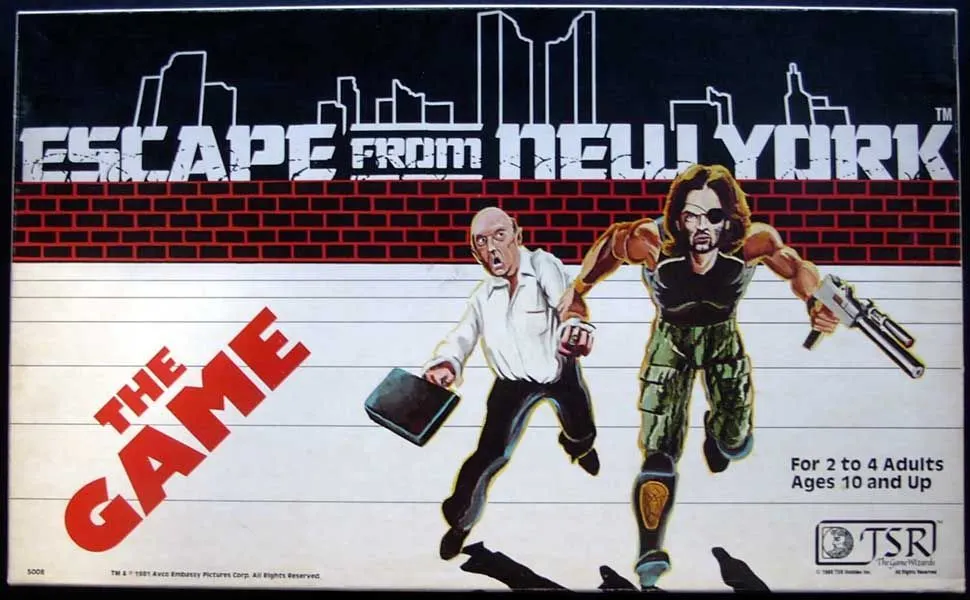
Quest for the Antidote è un gioco da tavolo pubblicato nel 2017 per 2–6 giocatori, con partite da 45 a 60 minuti e dai 13 anni in su. È stato ideato da Tom Deschenes e le sue meccaniche principali sono Take That, Player Elimination e Roll / Spin and Move.



In inglese
In Quest for the Antidote (a game by Tom Deschenes and illustrated by Scott Sherman), you and the other players have been poisoned by the mad king! Armed with only your wits and a list of antidote ingredients, you must battle the wilds, monsters, and your fellow players to be the first to return to the apothecary with the items you need. Game Components: • 1 Game Board • 6 Wooden Colored Pawns • 6 Wooden Colored Breath Trackers • 6 Sets of 10 Ingredient Cards (60 total) • 50 Monster Cards • 18 Meddling Cards • 10 Loot Cards • 8 Drop Cards • 1 10-Sided Battle Die • 1 6-Sided Movement Die • 1 Wooden Debris Token Preparing the Game: Each player selects a colored pawn, the corresponding breath-tracker token, and the corresponding deck of ten Ingredient Cards. Players place their pawns on the Apothecary’s hut in the center of the board and place their breath-tracker tokens on the number 50 on the breath tracker. Next, players shuffle their ten Ingredient Cards and randomly select four ingredients. These will represent the ingredients they will need to collect for their unique antidotes. Players will place their four Ingredient Cards on the table in front of them face-up with the black vial at the top. Each player’s remaining six Ingredient Cards can be returned to the box. Players are dealt Meddling cards based on the number of players: • In a game with two players, five Meddling Cards are distributed to each player. • In a game with three players, four Meddling Cards are distributed to each player. • In a game with four or more players, three Meddling Cards are distributed to each player. Meddling Cards are dealt face-down and go into the player’s hand. Rules & Gameplay: Health: Each player starts with 50 “breaths.” Every time a player rolls the 6-sided movement die or a 10-sided battle die, he/she loses a breath and gets one step closer to expiring. All players’ breaths are tracked around the edges of the board on the breath tracker grid. If any player is reduced to zero breaths, that player expires and is out of the game. Tip: Select one player at the start of the game to manage the breath tracker. Note: Even with bonuses, no player may have more than 50 breaths at any point during the game. Movement: Each player will start his/her turn rolling the 6-sided movement die to determine how many spaces to move on the board. That player may choose any path and may move spaces forward and/or backward in any direction, even in the same turn. Remember: Each time a player rolls the 6-sided movement die, he/she loses a breath on the breath tracker! Fighting a Monster: A Monster fight is triggered when a player approaches a Monster Deck and lands on a red space leading to the Monster Deck. However, if a player lands on a red space while traveling away from a Monster Deck, no Monster fight is triggered. In other words, if traveling in the same direction as the red arrow is pointing, you enter combat; if traveling in the opposite direction of the arrow, no combat is triggered. When a Monster fight is triggered, a player flips the top card of the Monster Deck and must defeat the revealed Monster before moving on… or die trying. Players may also retreat and reverse direction if they have any movements left from their movement roll. The Monster’s level is listed at the top of the Monster Card. To defeat the Monster, a player must roll the 10-sided battle die and get a number that is equal to or higher than the Monster’s level. The player rolls until the Monster is defeated or until he/she decides to retreat. Once a Monster is defeated, it is put in a discard pile on the table. Bonuses & Drops: Some high-level Monsters, though difficult to beat, may offer helpful bonuses or valuable drop items that can greatly assist a player. Bonuses and drops are listed at the bottom of high-level Monster’s cards. Some drops benefit the player for the remainder of the game while others are used once and then discarded. Meddling: Meddling Cards can be used at any point during the game to hinder fellow players from advancing. Meddling Cards can also be traded in at any time to regain five breaths on the breath tracker. Once a Meddling Card is used or traded in, it is discarded from the game. Collecting Loot and Ingredients: To collect an ingredient, a player must land on the corresponding starred green space on the board. Once an ingredient is collected, the player flips his/her corresponding Ingredient Card. To collect loot, a player must land on the starred yellow space that abuts it. If a player gets a Loot Card, it is added to his/her hand and may be used at any time. Like drops, Some Loot Cards give players temporary abilities while others award advantages. Dueling: During a player’s turn, if he/she ever occupies the same space as another player, then he/she may challenge that player to a duel. A player can only challenge another player to a duel when that other player has an ingredient that the challenger still needs. During the duel, each player rolls the 10-sided battle die. Whoever has the highest roll wins, and in case of a tie, the advantage goes to the challenged player. If the challenger wins the duel, he/she takes the needed ingredient item from the challenged player, who now has to either go back and get the ingredient again or give chase to get it back. If the challenged player wins, then the challenger automatically loses 5 breaths and cannot duel that player again this turn. Note: Players may use any applicable Drop Cards or Loot Cards during their duels. Looting: If a player runs out of breath, his/her pawn is left on the spot of expiration. Each other player may loot the body if they ever occupy the same space as the expired player’s pawn. A player may only loot an expired pawn once per turn and only for needed ingredient items or unused or perpetual drop or Loot Cards. Ending the Game: The first player to return to the Apothecary’s hut center of the board with all of the necessary ingredients for his/her antidote is victorious! Sometimes, though, all players expire and the game wins!
Secondo il catalogo, Quest for the Antidote supporta da 2 a 6 giocatori. L’intervallo corrisponde al numero di giocatori indicato dall’editore, quindi il gioco si può preparare per qualsiasi gruppo entro quei limiti. Preparazione, alcune regole e punteggio possono comunque variare in base al numero di giocatori: controlla la configurazione esatta nel regolamento della tua edizione.
La durata indicata per Quest for the Antidote è di 45–60 minuti, la stima dell’editore per una partita completa. La durata effettiva dipende dal gruppo, dal numero di giocatori e dalla conoscenza delle regole: le prime partite durano di più, i gruppi esperti finiscono prima. Preparazione e spiegazione delle regole non sono comprese nella stima.
Il catalogo indica Quest for the Antidote dai 13 anni in su. È la raccomandazione dell’editore e tiene conto della lettura richiesta, della complessità delle regole e dei componenti piccoli, non solo del tema. I più giovani spesso possono giocare con l’aiuto di un adulto: controlla l’età consigliata sulla tua edizione e l’esperienza del tuo gruppo con i giochi da tavolo.
Quest for the Antidote ha un punteggio di complessità di 1,0 su 5 secondo i giocatori di BoardGameGeek, il che lo rende un gioco leggero. Il punteggio riflette quanta conoscenza delle regole, pianificazione e decisioni richiede una partita tipica. I giochi impegnativi richiedono una prima spiegazione più lunga, quindi conviene usare una guida di preparazione.
Quest for the Antidote appartiene a queste categorie: Adventure e Medieval. Le sue meccaniche principali sono Take That, Player Elimination e Roll / Spin and Move. Le categorie descrivono il tema e l’ambientazione di un gioco, mentre le meccaniche descrivono ciò che i giocatori fanno davvero nel proprio turno. Ogni meccanica porta a una pagina del catalogo con giochi simili.
Gli autori accreditati di Quest for the Antidote sono: Tom Deschenes. Questi crediti provengono dai dati pubblicati del gioco e indicano le persone responsabili della sua progettazione, non gli illustratori o gli editori. Le pagine degli autori su MeepleRules raccolgono altri titoli degli stessi autori, utili quando un gioco ti piace e ne cerchi di simili.
Il catalogo classifica Quest for the Antidote come gioco base. Si gioca da solo con i componenti presenti nella scatola e non richiede altri titoli. Le espansioni, se esistono, aggiungono nuovo contenuto o nuove regole e sono elencate separatamente nel catalogo con un collegamento a questo gioco base.