
- Posizione BGG
- BGG #39
- Valutazione BGG
- 8,1
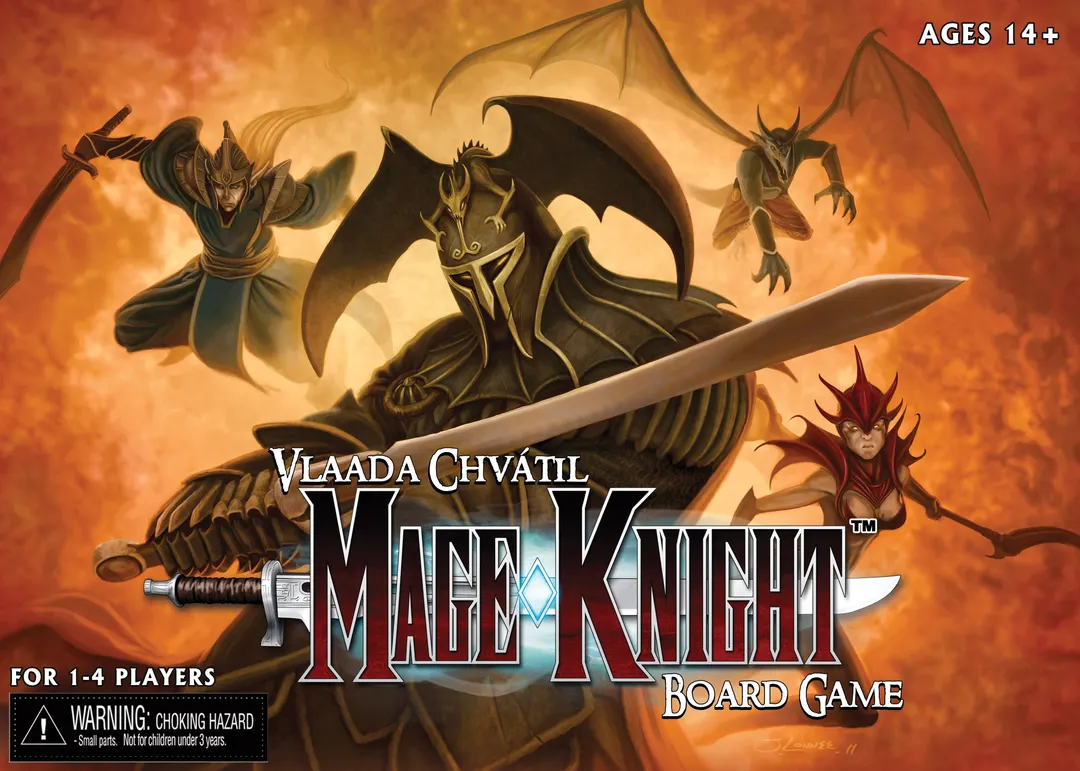
Mage Knight Board Game
- 1–4 giocatori
- 60–240 min
- Complessità 4,4/5
- 2011
2018
Aiuto con le regole di Ravage: Dungeons of Plunder
Spiegazioni chiare di turni, effetti delle carte e situazioni dubbie, con riferimenti alle fonti ufficiali e cronologia delle domande salvata.
Per 1 giocatore
Cosa vuoi sapere?
Le risposte vengono dal regolamento ufficiale, con la pagina da verificare.
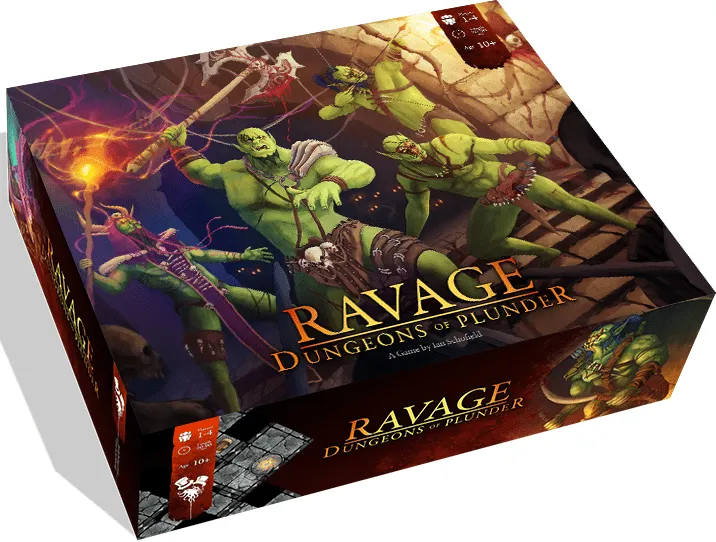
Ravage: Dungeons of Plunder è un gioco da tavolo pubblicato nel 2018 per 1–5 giocatori, con partite da 30 a 90 minuti e dai 14 anni in su. È stato ideato da Ian Schofield e le sue meccaniche principali sono Variable Player Powers, Take That e Area Movement.



In inglese
Ravage: Dungeons of Plunder for 1-5 players. A dungeon-delving board game where you, the player, get to control a band of Orcs; ain’t no paladins or dwarfs here. Raid dungeons, slaughter monsters for their teef and complete objectives and level up along the way. 'Game Modes' Ravage is for 1-5 players and boasts 3 game modes 'Solo' Survive the dungeon and its random boss encounter for victory, there is no resurrection in this mode. Approx 25-45 minutes. 'Adventure (co-op)' Play co-operatively with your friends to complete quests, bury the head, defeat the cave serpent and slaughter the spider’s lair. Approx 60-90 minutes with or without a Dungeon Master. 'Treachery (vs)' You each control the dungeon and monsters, pitting them against your friends, setting off traps, looting your opponents whilst you try to keep the dungeon at bay. Each hero kill will gain you promotions, become the war chief to win. Approx 60-90 minutes Choose your hero’'' You get to pick from one of the 4 castes: Berserker - Unleash powerful attacks charge at your enemies, frenzy and attack multiple foes. Shaman - Using your tribal magic transform into a raven or a bear, summon spirits and blood wield your enemies. Cultist - Inflict fear, life drain your enemies and even summon the undead to fight for you. Headhunter - Use poison and flaming arrows to destroy your enemies and even take head shots. Experience and Levelling Up Each hero has a set of weapons and ability cards that require energy to use, once you have enough energy you can unleash these devastating attacks on your enemies. Exhausted energy turns into experience, gain enough experience and level up your abilities. Exploring The dungeon is presented in a deck of cards, cards are drawn each turn for you to explore the dungeon, they include hallways or room cards, for you to construct your dungeon randomly every time. You will encounter traps as you traverse through the dungeon it’s not a safe place to be, as you and your friends will discover. Looting If you die your loot either sits by the trap that killed you or with the monster that killed you and runs around the dungeon with it until slain, anyone can claim your loot. Resurrection If you have enough resurrection tokens, you may resurrect on any of the resurrection points in the dungeon, these are limited so take care. If at any time a player dies and cannot resurrect you fail your quest. Monsters Monsters are a plenty, and they are all heading for you, each monster has a critical success ability, you can aggro monsters and they will make attacks of opportunity. Slaying monsters gains you teef, which you can spend at the sneaky goblin and remember Teef = Money. Bosses You encounter bosses in the campaign or randomly after a set time in the solo mode, each boss has its own unique ability cards it will use to decimate you and your friends so beware.
Secondo il catalogo, Ravage: Dungeons of Plunder supporta da 1 a 5 giocatori. L’intervallo corrisponde al numero di giocatori indicato dall’editore, quindi il gioco si può preparare per qualsiasi gruppo entro quei limiti. Preparazione, alcune regole e punteggio possono comunque variare in base al numero di giocatori: controlla la configurazione esatta nel regolamento della tua edizione.
La durata indicata per Ravage: Dungeons of Plunder è di 30–90 minuti, la stima dell’editore per una partita completa. La durata effettiva dipende dal gruppo, dal numero di giocatori e dalla conoscenza delle regole: le prime partite durano di più, i gruppi esperti finiscono prima. Preparazione e spiegazione delle regole non sono comprese nella stima.
Il catalogo indica Ravage: Dungeons of Plunder dai 14 anni in su. È la raccomandazione dell’editore e tiene conto della lettura richiesta, della complessità delle regole e dei componenti piccoli, non solo del tema. I più giovani spesso possono giocare con l’aiuto di un adulto: controlla l’età consigliata sulla tua edizione e l’esperienza del tuo gruppo con i giochi da tavolo.
Ravage: Dungeons of Plunder ha un punteggio di complessità di 2,0 su 5 secondo i giocatori di BoardGameGeek, il che lo rende un gioco piuttosto leggero. Il punteggio riflette quanta conoscenza delle regole, pianificazione e decisioni richiede una partita tipica. I giochi impegnativi richiedono una prima spiegazione più lunga, quindi conviene usare una guida di preparazione.
Ravage: Dungeons of Plunder appartiene a queste categorie: Fantasy, Fighting e Exploration. Le sue meccaniche principali sono Variable Player Powers, Take That e Area Movement. Le categorie descrivono il tema e l’ambientazione di un gioco, mentre le meccaniche descrivono ciò che i giocatori fanno davvero nel proprio turno. Ogni meccanica porta a una pagina del catalogo con giochi simili.
Gli autori accreditati di Ravage: Dungeons of Plunder sono: Ian Schofield. Questi crediti provengono dai dati pubblicati del gioco e indicano le persone responsabili della sua progettazione, non gli illustratori o gli editori. Le pagine degli autori su MeepleRules raccolgono altri titoli degli stessi autori, utili quando un gioco ti piace e ne cerchi di simili.
Il catalogo classifica Ravage: Dungeons of Plunder come gioco base. Si gioca da solo con i componenti presenti nella scatola e non richiede altri titoli. Le espansioni, se esistono, aggiungono nuovo contenuto o nuove regole e sono elencate separatamente nel catalogo con un collegamento a questo gioco base.