
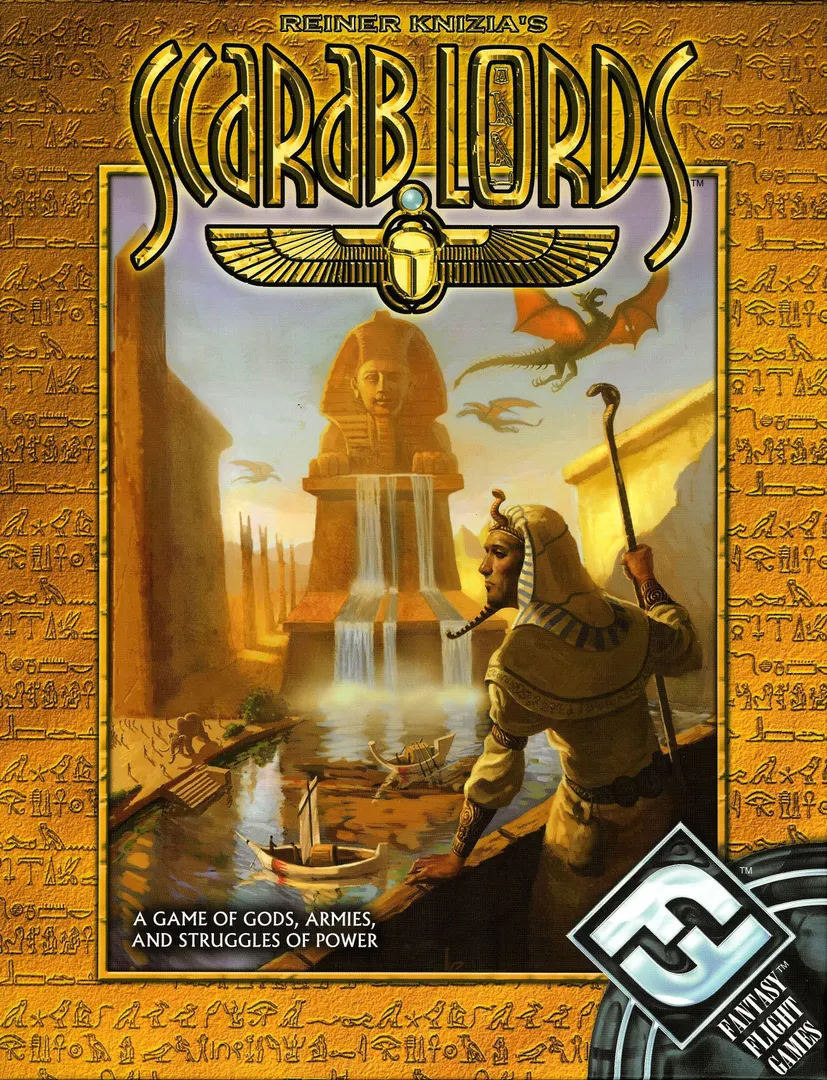
- Posizione BGG
- BGG #6201
- Valutazione BGG
- 6,0
Scarab Lords
- 2 giocatori
- 20–40 min
- Complessità 1,9/5
- 2002
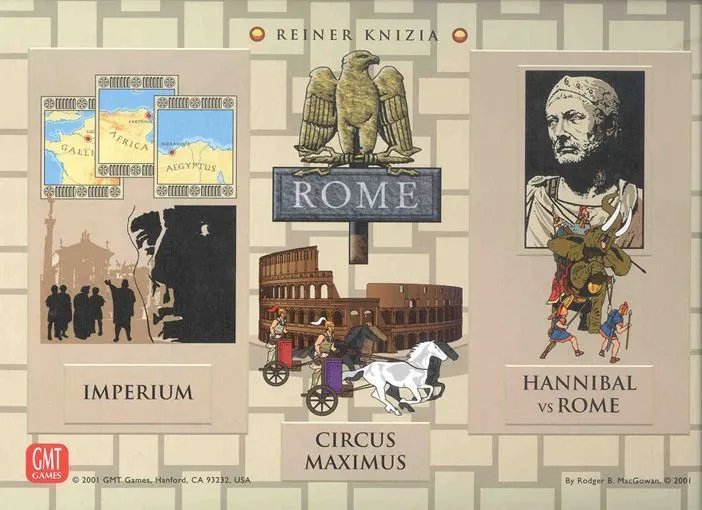
2001
Aiuto con le regole di Rome: Imperium, Circus Maximus, Hannibal vs Rome
Spiegazioni chiare di turni, effetti delle carte e situazioni dubbie, con riferimenti alle fonti ufficiali e cronologia delle domande salvata.
Per 2 giocatori
Cosa vuoi sapere?
Le risposte vengono dal regolamento ufficiale, con la pagina da verificare.
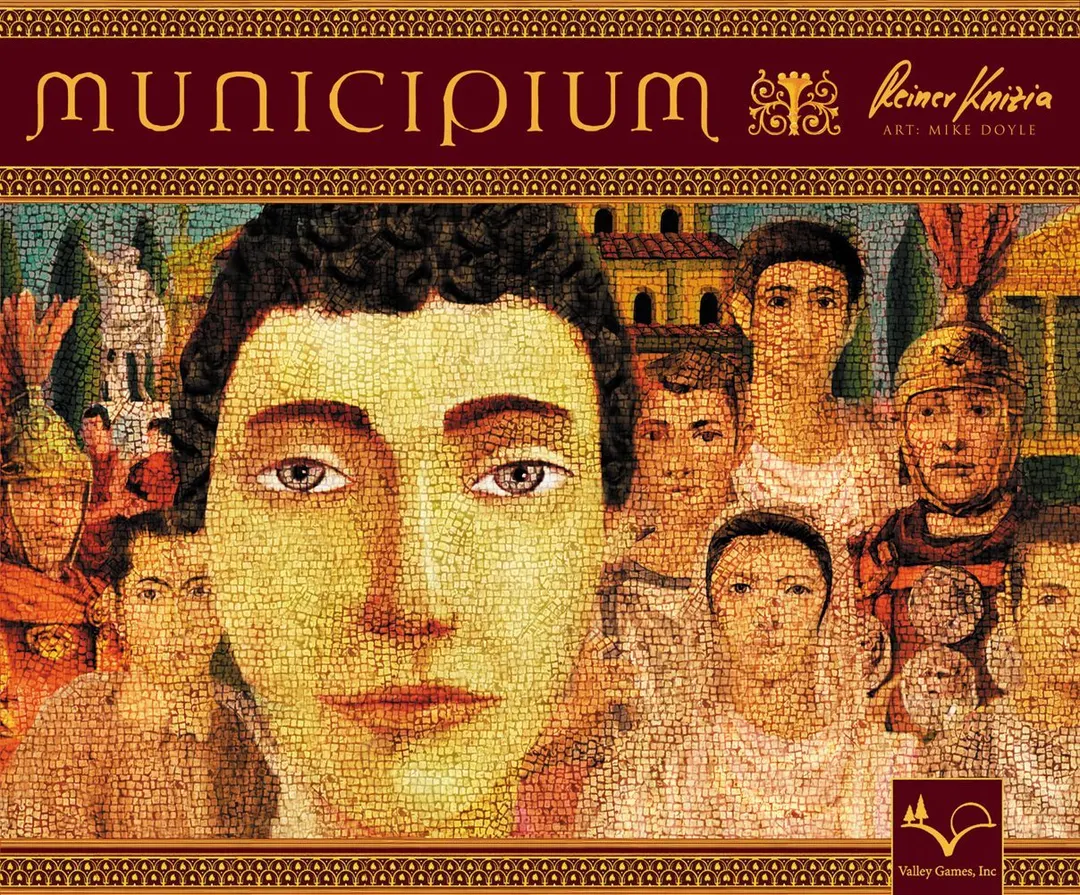
Rome: Imperium, Circus Maximus, Hannibal vs Rome è un gioco da tavolo pubblicato nel 2001 per 2–5 giocatori, con partite da 10 a 45 minuti e dai 8 anni in su. È stato ideato da Reiner Knizia e le sue meccaniche principali sono Hand Management, Area Movement e Area Majority / Influence.



In inglese
Reiner Knizia has designed a number of games set in Ancient Rome. This collection brings together three of the finest, covering three very different aspects of the Roman Empire: Hannibal versus Rome, Imperium and Circus Maximus. Hannibal versus Rome is a 30-minute two-player game depicing the initial struggle for supremacy between Rome and Carthage, which finally established Rome as the leading power in the Mediterranean. It draws on the events of the Second Punic War, during which Hannibal crossed the Alps with his elephants, and defeated Rome in the battle of Cannae. The Roman general Scipio succeeded in moving the fighting away from Italy, into Spain and Africa, where he defeated the Carthaginians at Zama. The map covers the Western Mediterranean. Players move Legions and Fleets, deciding conflicts by the use of cards in order to determine who will be the dominant power in the Mediterranean region. Imperium (a game for two to five players) focuses on Rome's political and territorial expansion during the Imperial period. Powerful families controlled the individual provinces in order to increase their wealth and power in Rome, until the Roman Empire reached its zenith in size in the year 100 under the Emperor Trajan. In each round the two to five players distribute markers onto areas of the Empire, with control of one area being decided each round. The players need to have the right influence at the decisive moment to take control, without neglecting long-term development. It is a game of planning and timing. Circus Maximus leads us into the heart of Rome itself with its renowned public entertainment for the masses; chariot racing. Chariot races were immensely popular in Rome. The Circus Maximus offered room for 200,000 spectators who avidly followed the races, roaring and cheering on their favourites. The courageous charioteers were divided into teams distinguished by different colours. The most successful were worshipped as heroes, but the risks were high and many paid for their fame and daring with their lives. Each of two to five players controls a team of three chariots. In a game of pure tactics, players receive five movement cards that they can assign each turn to individual chariots as they wish. The first to bring all three across the finish line wins the game and the laurel wreath. Note: the 3 games in this were previously released in Neue Spiele im alten Rom.
Secondo il catalogo, Rome: Imperium, Circus Maximus, Hannibal vs Rome supporta da 2 a 5 giocatori. L’intervallo corrisponde al numero di giocatori indicato dall’editore, quindi il gioco si può preparare per qualsiasi gruppo entro quei limiti. Preparazione, alcune regole e punteggio possono comunque variare in base al numero di giocatori: controlla la configurazione esatta nel regolamento della tua edizione.
La durata indicata per Rome: Imperium, Circus Maximus, Hannibal vs Rome è di 10–45 minuti, la stima dell’editore per una partita completa. La durata effettiva dipende dal gruppo, dal numero di giocatori e dalla conoscenza delle regole: le prime partite durano di più, i gruppi esperti finiscono prima. Preparazione e spiegazione delle regole non sono comprese nella stima.
Il catalogo indica Rome: Imperium, Circus Maximus, Hannibal vs Rome dai 8 anni in su. È la raccomandazione dell’editore e tiene conto della lettura richiesta, della complessità delle regole e dei componenti piccoli, non solo del tema. I più giovani spesso possono giocare con l’aiuto di un adulto: controlla l’età consigliata sulla tua edizione e l’esperienza del tuo gruppo con i giochi da tavolo.
Rome: Imperium, Circus Maximus, Hannibal vs Rome ha un punteggio di complessità di 1,7 su 5 secondo i giocatori di BoardGameGeek, il che lo rende un gioco leggero. Il punteggio riflette quanta conoscenza delle regole, pianificazione e decisioni richiede una partita tipica. I giochi impegnativi richiedono una prima spiegazione più lunga, quindi conviene usare una guida di preparazione.
Rome: Imperium, Circus Maximus, Hannibal vs Rome appartiene a queste categorie: Card Game, Political e Ancient. Le sue meccaniche principali sono Hand Management, Area Movement e Area Majority / Influence. Le categorie descrivono il tema e l’ambientazione di un gioco, mentre le meccaniche descrivono ciò che i giocatori fanno davvero nel proprio turno. Ogni meccanica porta a una pagina del catalogo con giochi simili.
Gli autori accreditati di Rome: Imperium, Circus Maximus, Hannibal vs Rome sono: Reiner Knizia. Questi crediti provengono dai dati pubblicati del gioco e indicano le persone responsabili della sua progettazione, non gli illustratori o gli editori. Le pagine degli autori su MeepleRules raccolgono altri titoli degli stessi autori, utili quando un gioco ti piace e ne cerchi di simili.
Il catalogo classifica Rome: Imperium, Circus Maximus, Hannibal vs Rome come gioco base. Si gioca da solo con i componenti presenti nella scatola e non richiede altri titoli. Le espansioni, se esistono, aggiungono nuovo contenuto o nuove regole e sono elencate separatamente nel catalogo con un collegamento a questo gioco base.