
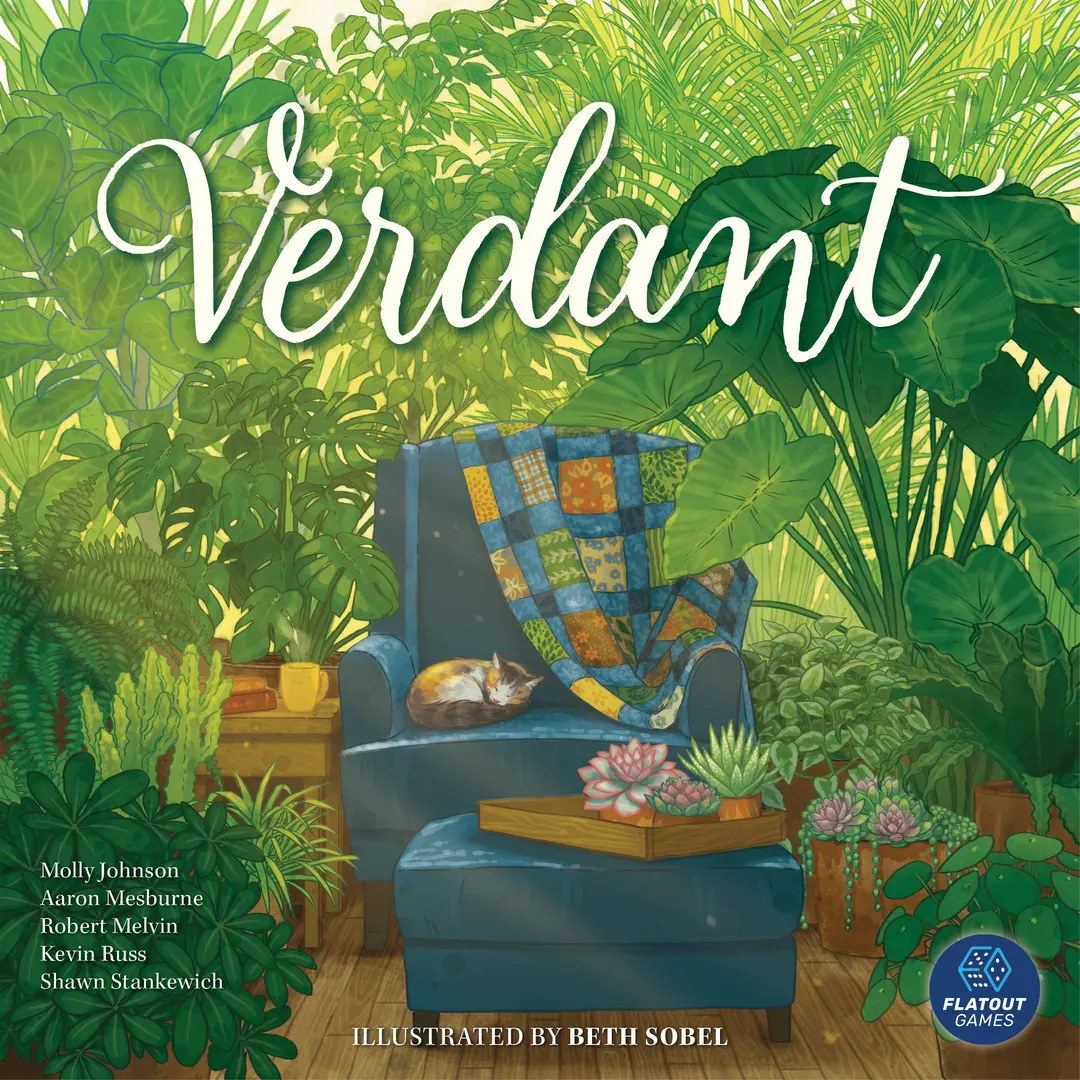
- Posizione BGG
- BGG #764
- Valutazione BGG
- 7,3
Verdant
- 1–5 giocatori
- 45–60 min
- Complessità 2,1/5
- 2022
2026
Aiuto con le regole di Satchel Quest
Spiegazioni chiare di turni, effetti delle carte e situazioni dubbie, con riferimenti alle fonti ufficiali e cronologia delle domande salvata.
Per 1 giocatore
Cosa vuoi sapere?
Le risposte vengono dal regolamento ufficiale, con la pagina da verificare.
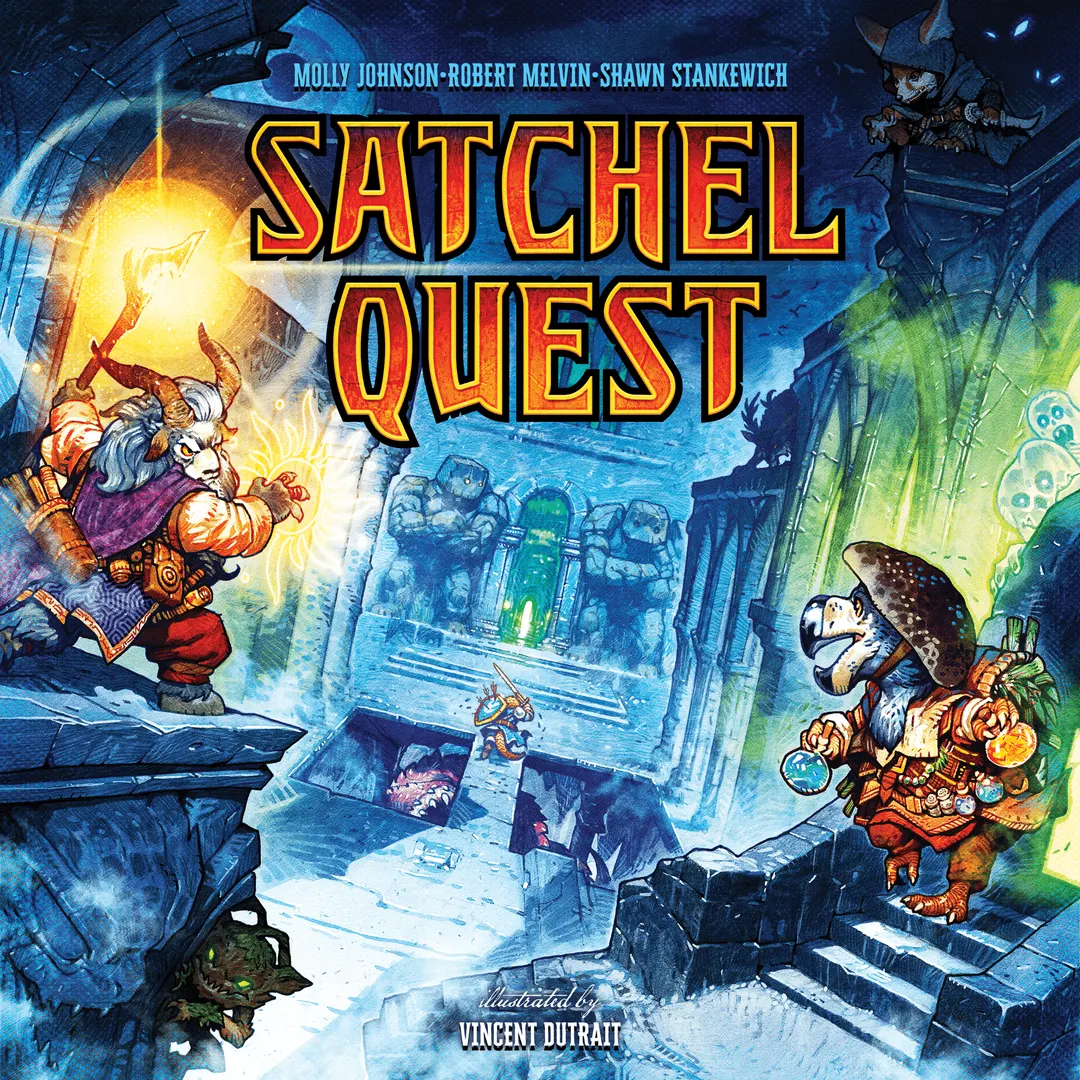
Satchel Quest è un gioco da tavolo pubblicato nel 2026 per 1–4 giocatori e dai 10 anni in su. È stato ideato da Shawn Stankewich, Robert Melvin e Molly Johnson e le sue meccaniche principali sono Variable Player Powers, Variable Set-up e Solo / Solitaire Game.








In inglese
Venture into the dungeon with naught but your wits and your trusty bag! Satchel Quest is a competitive bag-building dungeon adventure in which every draw shapes your fate. Armed with a bag full of double-sided chips, you'll delve into the dungeon, battling enemies, disarming traps, and unlocking treasure chests while earning gold, experience, and valor. In Satchel Quest, players draw double-sided chips, choose which side to play, and place it strategically on the current floor of your dungeon map to attack monsters, block damage, trigger ranged effects, or set up for big combos. Exact placement matters as chips interact with adjacent spaces and can chain together for powerful results. Each round has 6 phases where players build the dungeon, resolve actions, visit the village to heal, upgrade your skills, and buy new chips at the market that expand your strategy. The game ends during the Path Phase when there are no more Path cards to reveal. The player with the most Valor points wins. With multiple adventure paths, asymmetric heroes, and a wealth of clever combos, Satchel Quest combines bag building with a fresh, spatial puzzle twist. —description from the publisher
Secondo il catalogo, Satchel Quest supporta da 1 a 4 giocatori. L’intervallo corrisponde al numero di giocatori indicato dall’editore, quindi il gioco si può preparare per qualsiasi gruppo entro quei limiti. Preparazione, alcune regole e punteggio possono comunque variare in base al numero di giocatori: controlla la configurazione esatta nel regolamento della tua edizione.
Il catalogo indica Satchel Quest dai 10 anni in su. È la raccomandazione dell’editore e tiene conto della lettura richiesta, della complessità delle regole e dei componenti piccoli, non solo del tema. I più giovani spesso possono giocare con l’aiuto di un adulto: controlla l’età consigliata sulla tua edizione e l’esperienza del tuo gruppo con i giochi da tavolo.
Satchel Quest ha un punteggio di complessità di 2,0 su 5 secondo i giocatori di BoardGameGeek, il che lo rende un gioco piuttosto leggero. Il punteggio riflette quanta conoscenza delle regole, pianificazione e decisioni richiede una partita tipica. I giochi impegnativi richiedono una prima spiegazione più lunga, quindi conviene usare una guida di preparazione.
Satchel Quest appartiene a queste categorie: Adventure e Puzzle. Le sue meccaniche principali sono Variable Player Powers, Variable Set-up e Solo / Solitaire Game. Le categorie descrivono il tema e l’ambientazione di un gioco, mentre le meccaniche descrivono ciò che i giocatori fanno davvero nel proprio turno. Ogni meccanica porta a una pagina del catalogo con giochi simili.
Gli autori accreditati di Satchel Quest sono: Shawn Stankewich, Robert Melvin e Molly Johnson. Questi crediti provengono dai dati pubblicati del gioco e indicano le persone responsabili della sua progettazione, non gli illustratori o gli editori. Le pagine degli autori su MeepleRules raccolgono altri titoli degli stessi autori, utili quando un gioco ti piace e ne cerchi di simili.
Il catalogo classifica Satchel Quest come gioco base. Si gioca da solo con i componenti presenti nella scatola e non richiede altri titoli. Le espansioni, se esistono, aggiungono nuovo contenuto o nuove regole e sono elencate separatamente nel catalogo con un collegamento a questo gioco base.