
- Posizione BGG
- BGG #759
- Valutazione BGG
- 7,5
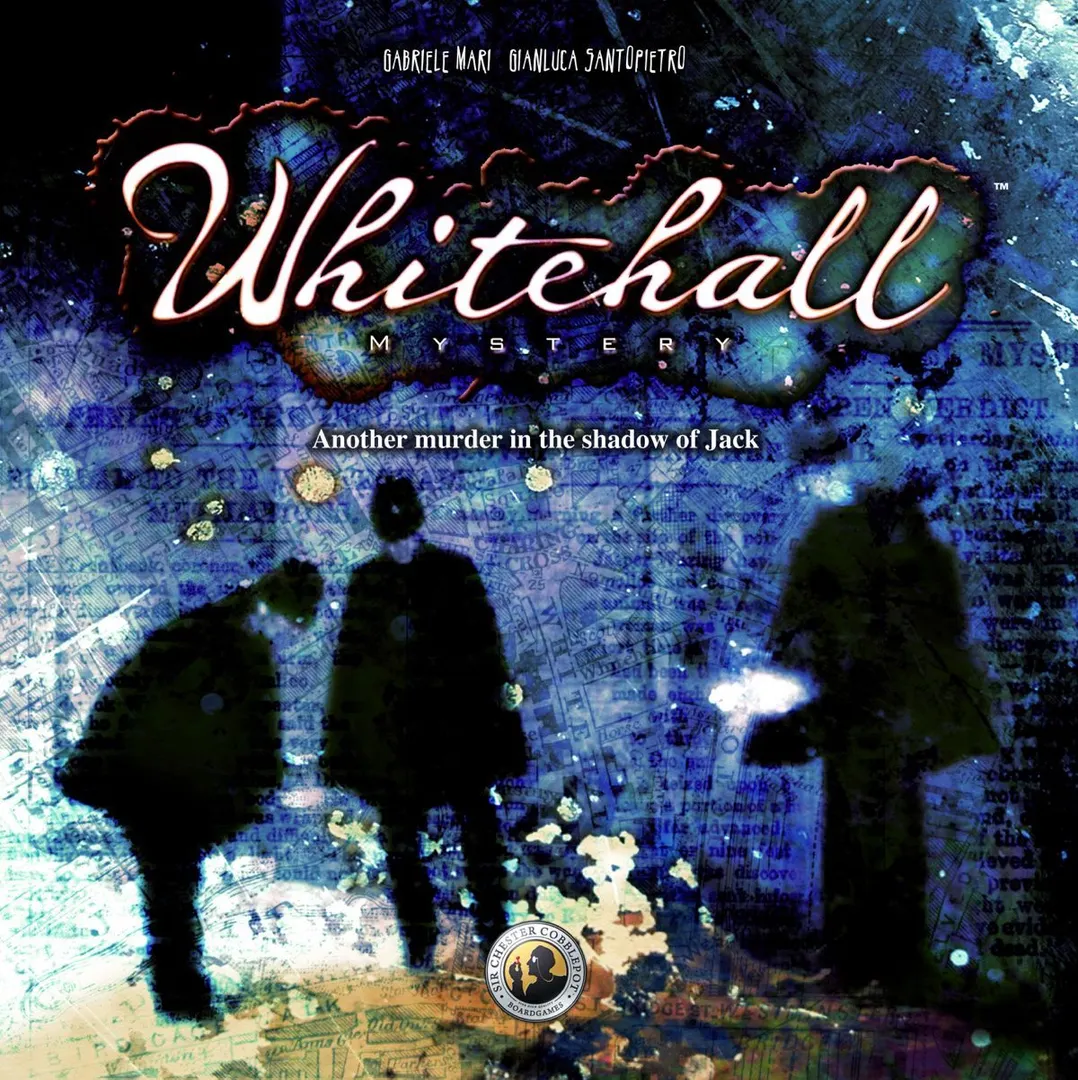
Whitehall Mystery
- 2–4 giocatori
- 45–60 min
- Complessità 2,1/5
- 2017
2020
Aiuto con le regole di SCOPE Stalingrad
Spiegazioni chiare di turni, effetti delle carte e situazioni dubbie, con riferimenti alle fonti ufficiali e cronologia delle domande salvata.
Per 2 giocatori
Cosa vuoi sapere?
Le risposte vengono dal regolamento ufficiale, con la pagina da verificare.
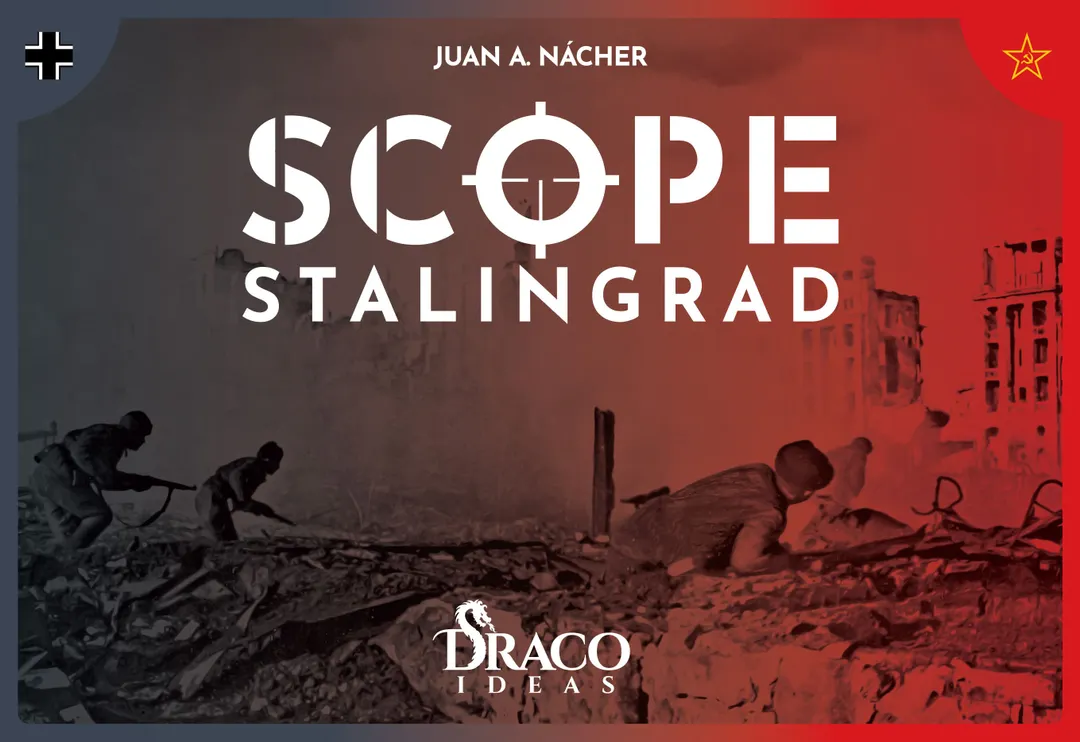
SCOPE Stalingrad è un gioco da tavolo pubblicato nel 2020 per 2–4 giocatori, con partite da 10 a 15 minuti e dai 12 anni in su. È stato ideato da Juan A. Nácher e le sue meccaniche principali sono Memory, Secret Unit Deployment e Team-Based Game.
In inglese
SCOPE is a 2 to 4 player game, set in the Battle of Stalingrad, where players take on the role of sniper teams on both sides. The objective of the game is to eliminate the enemy snipers or enemy troops for a total value of points depending on the scenario being played. A fast and immersive game of 5-15 minutes per match, with various levels of difficulty and rules that are explained in two minutes on the clock. When you try it, you won’t be able to stop playing it. SCOPE is a game of strategy, cunning, and bluffing that will make you feel like a real sniper, searching and selecting your targets, shooting wisely and changing position so as not to be discovered and eliminated. RULES:GAME SET UP: each player places their Area Cards face down, in a rectangular matrix that forms their Front. You can arrange the cards anywhere. The number and type of cards depends on the chosen Scenario. A player can look at their cards whenever they want during the course of the game. OBJECTIVE: The player who first eliminates all the Snipers of the rival team or who first reaches the Objective Points of the chosen Scenario wins. BASIC GAME:Two players alternate turns during the game. In a turn, each player must perform only one of the following two actions: MOVE: the player takes the 4 cards of any Quadrant (group of 2×2 Area Cards) from their Front, and rearrange them as they wish in the same Quadrant. SEARCH: The player reveals an enemy Area Card. If the card contains a Sniper or Unit, the player can Shoot and eliminate it. If you decide to Shoot, remove the Area Card and place it in your scoring zone. Then, place your Shot Card in the center of a Quadrant of your Front where there is at least one Sniper. The removed card is replaced by an Empty Area card of the same Front. If the revealed card is a Decoy the player is obliged to Shoot without removing the Decoy from the Front. The Shot Card represents the loud noise of the shot. It is placed on the Quadrant from where the Sniper has Shot. It remains in that position until the start of their next turn. ADVANCED MODE:Advanced Mode adds rules to the Basic Game, making it a more complete and challenging game experience. In this game mode, Unit Cards provide more actions to choose from in turn, so that the player has more options depending on the allied units present in the Front. Similar to the Basic Game, players can only use only one action per turn. SNIPER: provides the SEARCH (and Shoot) action of the Basic Game. OFFICER: reveal an allied Officer position to gain an extra MOVE action. SCOUT: reveal two adjacent cards without being able to Shoot. MORTAR: reveal an allied Mortar position to attack and eliminate any card (also a Decoy). MACHINE GUN: can Shoot at adjacent cards and stop Infantry assaults. INFANTRY: can invade the enemy Front and return as reinforcements after being eliminated. 3-4 PLAYERS GAME:In 4 Player Games each side is divided into Snipers and Units. So that each player controls one of this Divisions. It is played by teams. The round is divided into 4 turns, in which the corresponding player can only use an action from the cards of their Division. In 3 Player Games a player leads the two Divisions on the same side.
Secondo il catalogo, SCOPE Stalingrad supporta da 2 a 4 giocatori. L’intervallo corrisponde al numero di giocatori indicato dall’editore, quindi il gioco si può preparare per qualsiasi gruppo entro quei limiti. Preparazione, alcune regole e punteggio possono comunque variare in base al numero di giocatori: controlla la configurazione esatta nel regolamento della tua edizione.
La durata indicata per SCOPE Stalingrad è di 10–15 minuti, la stima dell’editore per una partita completa. La durata effettiva dipende dal gruppo, dal numero di giocatori e dalla conoscenza delle regole: le prime partite durano di più, i gruppi esperti finiscono prima. Preparazione e spiegazione delle regole non sono comprese nella stima.
Il catalogo indica SCOPE Stalingrad dai 12 anni in su. È la raccomandazione dell’editore e tiene conto della lettura richiesta, della complessità delle regole e dei componenti piccoli, non solo del tema. I più giovani spesso possono giocare con l’aiuto di un adulto: controlla l’età consigliata sulla tua edizione e l’esperienza del tuo gruppo con i giochi da tavolo.
SCOPE Stalingrad ha un punteggio di complessità di 1,5 su 5 secondo i giocatori di BoardGameGeek, il che lo rende un gioco leggero. Il punteggio riflette quanta conoscenza delle regole, pianificazione e decisioni richiede una partita tipica. I giochi impegnativi richiedono una prima spiegazione più lunga, quindi conviene usare una guida di preparazione.
SCOPE Stalingrad appartiene a queste categorie: Card Game, Wargame e Deduction. Le sue meccaniche principali sono Memory, Secret Unit Deployment e Team-Based Game. Le categorie descrivono il tema e l’ambientazione di un gioco, mentre le meccaniche descrivono ciò che i giocatori fanno davvero nel proprio turno. Ogni meccanica porta a una pagina del catalogo con giochi simili.
Gli autori accreditati di SCOPE Stalingrad sono: Juan A. Nácher. Questi crediti provengono dai dati pubblicati del gioco e indicano le persone responsabili della sua progettazione, non gli illustratori o gli editori. Le pagine degli autori su MeepleRules raccolgono altri titoli degli stessi autori, utili quando un gioco ti piace e ne cerchi di simili.
Il catalogo classifica SCOPE Stalingrad come gioco base. Si gioca da solo con i componenti presenti nella scatola e non richiede altri titoli. Le espansioni, se esistono, aggiungono nuovo contenuto o nuove regole e sono elencate separatamente nel catalogo con un collegamento a questo gioco base.