
- Posizione BGG
- BGG #12.702
- Valutazione BGG
- 6,3
Toscana
- 2–5 giocatori
- 45 min
- Complessità 2,9/5
- 2010
2012
Aiuto con le regole di Shafausa
Spiegazioni chiare di turni, effetti delle carte e situazioni dubbie, con riferimenti alle fonti ufficiali e cronologia delle domande salvata.
Per 2 giocatori
Cosa vuoi sapere?
Le risposte vengono dal regolamento ufficiale, con la pagina da verificare.
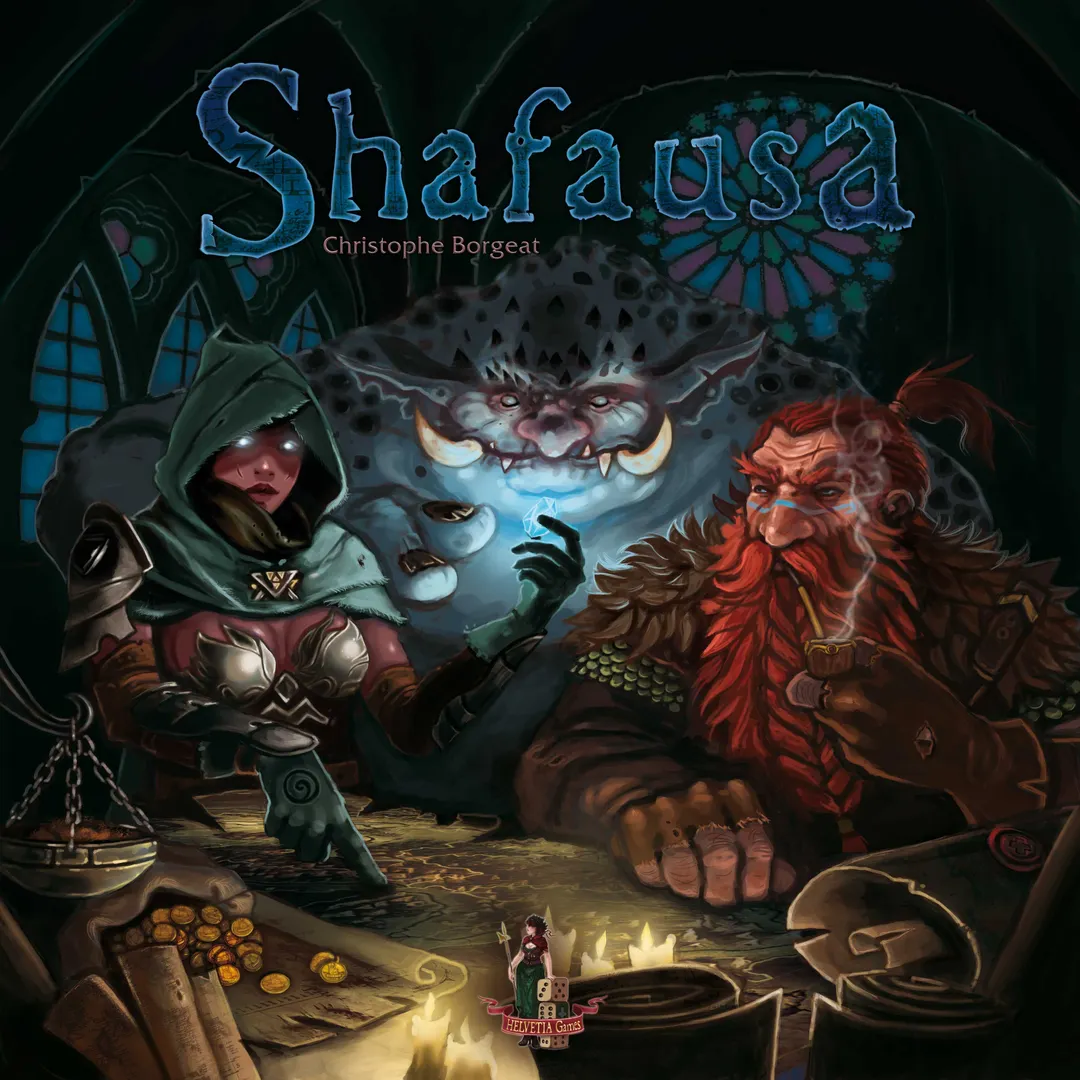
Shafausa è un gioco da tavolo pubblicato nel 2012 per 2–6 giocatori, con partite da 120 minuti e dai 8 anni in su. È stato ideato da Christophe Borgeat e le sue meccaniche principali sono Trading e Stock Holding.
In inglese
While digging on the slopes of Mount Ego, the Dwarves of Shafausa discovered a secret passage under the falls of the river Rain. From there they gained access into a subterranean world of obscure galleries and gigantic caves, full of immeasurable wealth. The exploitation of this area rapidly assured the small tribe a lifestyle far superior to anything previously known in Helvetia. Their neighbours, the Vampires of Zugriga, immediately realised the fantastic commercial potential of these discoveries. Thanks to a clever stock exchange system, they implicated the other Helvetian tribes in their dealings, for the joy and well-being of all – or so they claimed. But wealth doesn't just fall from the sky, and it takes a good dose of know-how to be able to rival with the skill of a vampire... In Shafausa, each player represents a Helvetian tribe that has come to propose a new monetary system based on an exchange of resources. Each round players can make purchases (buildings, mines, warehouses) and exchange currency – and through these transactions influence the stock market for the prosperity of their region. Each player holds three Power cards with special actions, but can use only one during the game as the other two are then removed from play. The game lasts a number of rounds, with each round having seven phases: Extraction: Mines and certain buildings produce resources, with some buildings affecting how many resources something produces. Order of Play: Players bid for turn order; as players drop from the bidding, they place their marker in line relative to those who have previously dropped out, so whoever stays in the longest can get the position he wants. Buying and Constructing: In turn order, players buy at most one available building and construct two warehouses; alternatively, a player can pay to remove a building in order to make space for new buildings next round. Management: Players can build mines, add miners to their workforce, construct purchased buildings, buy and sell resources, and construct new towns. Administration: Players pay for buildings in reserve and check their resource limits; resource costs are adjusted based on past sales. Speculation: In turn order, players pay to adjust the prices of various resources, with each price marker being adjustable only once. End of Game Check: If one of a player's towns or warehouses has been filled, the game ends. Players then score points for their towns, mines, buildings, and so on, and the player with the most points wins. In addition to this "Geek" version of the rules, Shafausa includes a "Colonial" version in which players draft start-up tiles (instead of starting with pre-determined characters who come with specific buildings, funds, etc.) and a "Family" version that removes the "Speculation" phase, simplifies turn order, and otherwise makes the game less involved.
Secondo il catalogo, Shafausa supporta da 2 a 6 giocatori. L’intervallo corrisponde al numero di giocatori indicato dall’editore, quindi il gioco si può preparare per qualsiasi gruppo entro quei limiti. Preparazione, alcune regole e punteggio possono comunque variare in base al numero di giocatori: controlla la configurazione esatta nel regolamento della tua edizione.
La durata indicata per Shafausa è di 120 minuti, la stima dell’editore per una partita completa. La durata effettiva dipende dal gruppo, dal numero di giocatori e dalla conoscenza delle regole: le prime partite durano di più, i gruppi esperti finiscono prima. Preparazione e spiegazione delle regole non sono comprese nella stima.
Il catalogo indica Shafausa dai 8 anni in su. È la raccomandazione dell’editore e tiene conto della lettura richiesta, della complessità delle regole e dei componenti piccoli, non solo del tema. I più giovani spesso possono giocare con l’aiuto di un adulto: controlla l’età consigliata sulla tua edizione e l’esperienza del tuo gruppo con i giochi da tavolo.
Shafausa ha un punteggio di complessità di 3,3 su 5 secondo i giocatori di BoardGameGeek, il che lo rende un gioco di media complessità. Il punteggio riflette quanta conoscenza delle regole, pianificazione e decisioni richiede una partita tipica. I giochi impegnativi richiedono una prima spiegazione più lunga, quindi conviene usare una guida di preparazione.
Shafausa appartiene a queste categorie: Fantasy, Economic e Industry / Manufacturing. Le sue meccaniche principali sono Trading e Stock Holding. Le categorie descrivono il tema e l’ambientazione di un gioco, mentre le meccaniche descrivono ciò che i giocatori fanno davvero nel proprio turno. Ogni meccanica porta a una pagina del catalogo con giochi simili.
Gli autori accreditati di Shafausa sono: Christophe Borgeat. Questi crediti provengono dai dati pubblicati del gioco e indicano le persone responsabili della sua progettazione, non gli illustratori o gli editori. Le pagine degli autori su MeepleRules raccolgono altri titoli degli stessi autori, utili quando un gioco ti piace e ne cerchi di simili.
Il catalogo classifica Shafausa come gioco base. Si gioca da solo con i componenti presenti nella scatola e non richiede altri titoli. Le espansioni, se esistono, aggiungono nuovo contenuto o nuove regole e sono elencate separatamente nel catalogo con un collegamento a questo gioco base.