
- Valutazione BGG
- 7,0
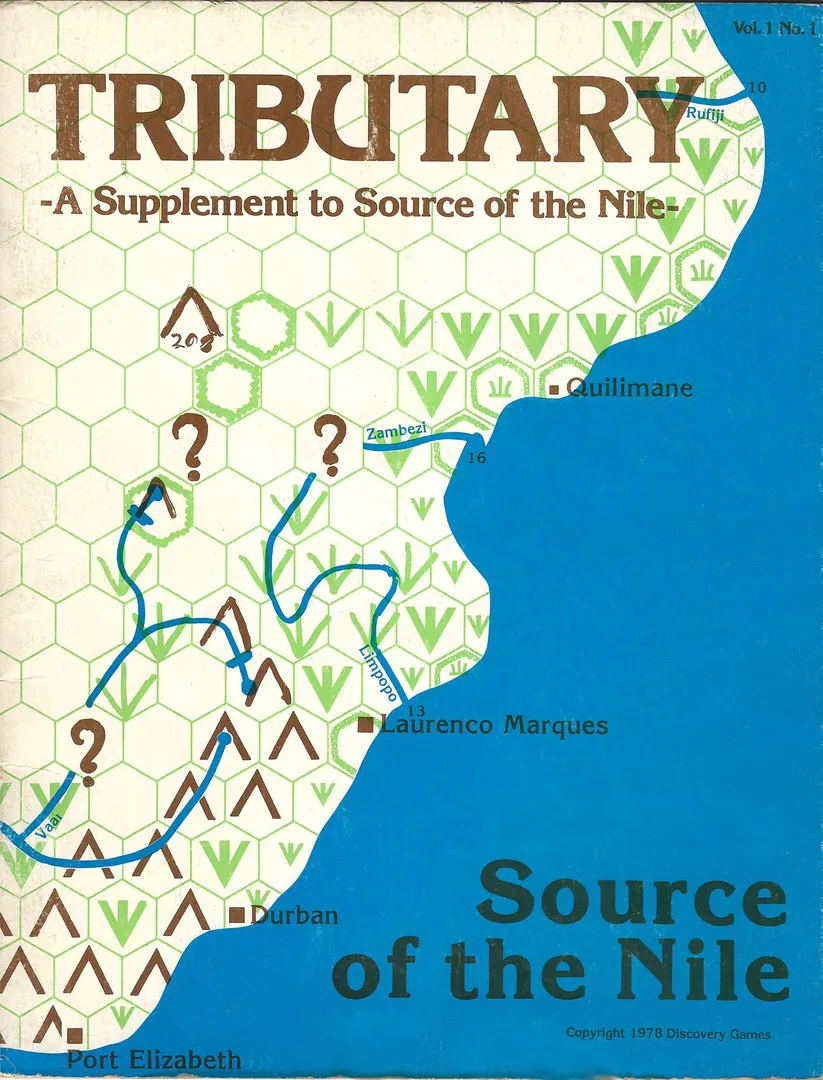
Source of the Nile: Tributary
- 1–6 giocatori
- 180 min
- Complessità 2,8/5
- 1978
1978
Aiuto con le regole di Source of the Nile
Spiegazioni chiare di turni, effetti delle carte e situazioni dubbie, con riferimenti alle fonti ufficiali e cronologia delle domande salvata.
Per 1 giocatore
Cosa vuoi sapere?
Le risposte vengono dal regolamento ufficiale, con la pagina da verificare.
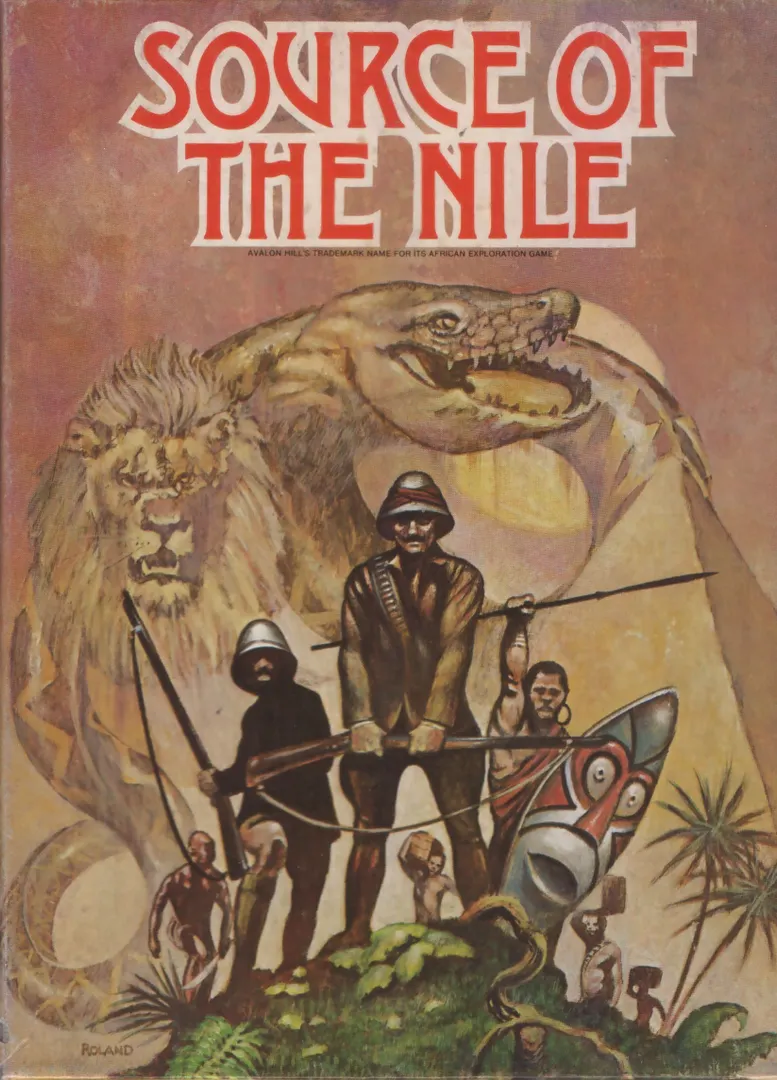
Source of the Nile è un gioco da tavolo pubblicato nel 1978 per 1–6 giocatori, con partite da 180 minuti e dai 12 anni in su. È stato ideato da Ross Maker e Dave Wesely e le sue meccaniche principali sono Dice Rolling, Variable Set-up e Paper-and-Pencil.












In inglese
Designed to be an educational and challenging game in which players compete primarily with Nature and with each other, luck tends to be an element in the game, but can be overcome by careful play. Because the situation is forever changing, there is no single best strategy; however, players must weigh risks against gains with every decision they make and good judgment will pay off. The game is played on a mapboard showing Africa from Khartoum to Capetown and Lagos to Mombasa. The periphery of this map, showing the territory known ca. 1820, is filled-in; the center is blank. A hexagonal grid is superimposed on the map to regulate movement and to delimit territory explored. In the course of play, each player moves a token (representing his explorer) from explored hexagons to blank hexagons one at a time.; terrain, native tribes and other discoveries within the hexagons are then semi-randomly determined, with allowance made for previous discoveries in adjacent hexagons. The player interacts with the discoveries (e.g. negotiates with new natives for guides) and records them on the mapboard using wax crayons. The mapboard surface is erasable. If the explorer dies before returning to Europe to publish his discoveries, all hexagons which only he has explored will be erased and "subsequent explorers will find that his discoveries were only rumors"; i.e., when other players explore the erased hexagons later they will have to generate new discoveries there. When explorers do return to civilization, however, they may publish their discoveries, after which they are safe from erasure. Players may also emulate real explorers by withholding some of their discoveries since they will enjoy some advantages when moving through terrain or dealing with natives known only to them. Points are scored for discoveries as they are published and once scored will not be lost if the explorer dies or is retired by his player. A player may retire his explorer at any time and then start a new explorer in Europe. Before each trip to Africa, explorers will have to raise money to support their expedition. New explorers with no discoveries to their credit must do this by drawing chance cards for several turns until they feel their finances are adequate. Experienced explorers can accelerate this process by publishing discoveries, which allow them to draw additional chance cards.
Secondo il catalogo, Source of the Nile supporta da 1 a 6 giocatori. L’intervallo corrisponde al numero di giocatori indicato dall’editore, quindi il gioco si può preparare per qualsiasi gruppo entro quei limiti. Preparazione, alcune regole e punteggio possono comunque variare in base al numero di giocatori: controlla la configurazione esatta nel regolamento della tua edizione.
La durata indicata per Source of the Nile è di 180 minuti, la stima dell’editore per una partita completa. La durata effettiva dipende dal gruppo, dal numero di giocatori e dalla conoscenza delle regole: le prime partite durano di più, i gruppi esperti finiscono prima. Preparazione e spiegazione delle regole non sono comprese nella stima.
Il catalogo indica Source of the Nile dai 12 anni in su. È la raccomandazione dell’editore e tiene conto della lettura richiesta, della complessità delle regole e dei componenti piccoli, non solo del tema. I più giovani spesso possono giocare con l’aiuto di un adulto: controlla l’età consigliata sulla tua edizione e l’esperienza del tuo gruppo con i giochi da tavolo.
Source of the Nile ha un punteggio di complessità di 2,9 su 5 secondo i giocatori di BoardGameGeek, il che lo rende un gioco piuttosto leggero. Il punteggio riflette quanta conoscenza delle regole, pianificazione e decisioni richiede una partita tipica. I giochi impegnativi richiedono una prima spiegazione più lunga, quindi conviene usare una guida di preparazione.
Source of the Nile appartiene a queste categorie: Exploration e Post-Napoleonic. Le sue meccaniche principali sono Dice Rolling, Variable Set-up e Paper-and-Pencil. Le categorie descrivono il tema e l’ambientazione di un gioco, mentre le meccaniche descrivono ciò che i giocatori fanno davvero nel proprio turno. Ogni meccanica porta a una pagina del catalogo con giochi simili.
Gli autori accreditati di Source of the Nile sono: Ross Maker e Dave Wesely. Questi crediti provengono dai dati pubblicati del gioco e indicano le persone responsabili della sua progettazione, non gli illustratori o gli editori. Le pagine degli autori su MeepleRules raccolgono altri titoli degli stessi autori, utili quando un gioco ti piace e ne cerchi di simili.
Il catalogo classifica Source of the Nile come gioco base. Si gioca da solo con i componenti presenti nella scatola e non richiede altri titoli. Le espansioni, se esistono, aggiungono nuovo contenuto o nuove regole e sono elencate separatamente nel catalogo con un collegamento a questo gioco base.