
- Valutazione BGG
- 7,5
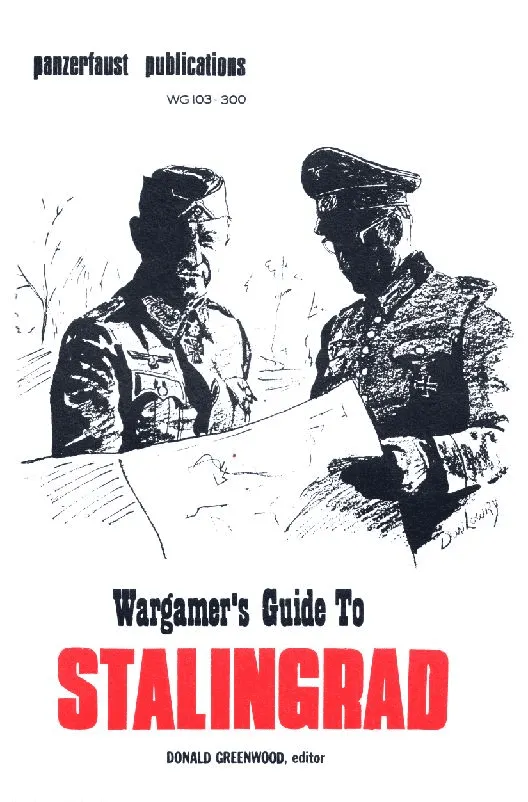
Wargamer's Guide to Stalingrad
- 2 giocatori
- Complessità 2,0/5
- 1972
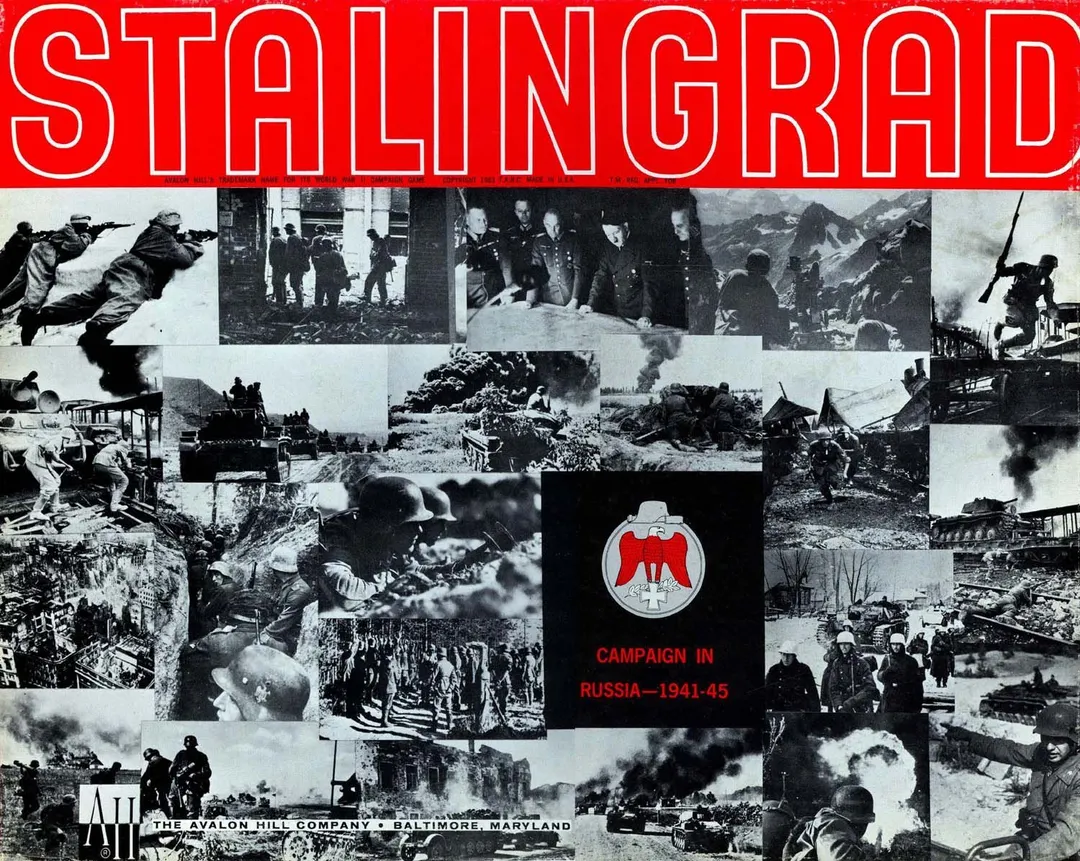
1963
Aiuto con le regole di Stalingrad
Spiegazioni chiare di turni, effetti delle carte e situazioni dubbie, con riferimenti alle fonti ufficiali e cronologia delle domande salvata.
Per 2 giocatori
Cosa vuoi sapere?
Le risposte vengono dal regolamento ufficiale, con la pagina da verificare.
Stalingrad è un gioco da tavolo pubblicato nel 1963 per 2 giocatori, con partite da 120 minuti e dai 12 anni in su. È stato ideato da Lindsley Schutz, Charles S. Roberts e Thomas N. Shaw e le sue meccaniche principali sono Dice Rolling, Grid Movement e Hexagon Grid.





In inglese
The original edition came out in 1963 in a double-size box. The large box was nearly twice the area of a traditional AH box. Later the game came out in a traditional-size box. A second edition with clarified rules was issued in 1974 with the same standard size box but thinner. The rules are fairly straightforward. The strategies are extremely deep. Stalingrad is by far the most thoroughly and deeply analyzed board war game. Furthermore, the game preserves interest for players at a wide range of levels. Stalingrad is a good game to use to introduce players to hex-based war games. Stalingrad uses a move-combat sequence, alternating between players. There is limited advance (one hex) or retreat (two hexes) after combat. Units have one-hex thick zones of control; movement directly from one hex in the zone of control of a unit into an adjoining hex of the zone of control of the same unit is not allowed. Functional terrain includes swamp (one hex per turn movement), mountains (one hex per turn movement, defenders are doubled), major cities (defenders doubled), rivers (defenders behind rivers are doubled if attacked only across the river), railroads (ten hex movement bonus, must be taken all at once), lakes (impassible). Weather is good in summer, snow in winter, and governed by a table in the spring and fall. Mud halves ground movement. Snow halves ground and rail movement, and freezes (converts to clear terrain) some swamps, rivers, lakes, and oceans. Combat is mandatory between units that are adjacent at the end of each turn, but the attacker chooses which units attack which other units, so long as all adjacent units are in some battle. The classical Avalon Hill D6 table, with results such as D Elim, A Elim, etc is in use. Germans have limited replacements; Russian replacement rates escalate as the game goes on. The objective is to capture the opposition's key cities (for the Russians, Leningrad, Moscow, Stalingrad) or to destroy the other side's army. The Russian (implicit in rules) can also win by taking Helsinki, Warsaw, and Bucharest, and holding them for two complete turns, but I have never heard of this being done between normal players. Several extremely bad German strategic plans are in wide use. Avalon Hill Complexity rating - 2
Secondo il catalogo, Stalingrad supporta 2 giocatori. È il numero di giocatori indicato dall’editore, quindi il gioco è pensato esattamente per quel numero di partecipanti. Le varianti per gruppi di altre dimensioni, se esistono, sono descritte nel regolamento della tua edizione: consultalo prima di preparare una configurazione diversa.
La durata indicata per Stalingrad è di 120 minuti, la stima dell’editore per una partita completa. La durata effettiva dipende dal gruppo, dal numero di giocatori e dalla conoscenza delle regole: le prime partite durano di più, i gruppi esperti finiscono prima. Preparazione e spiegazione delle regole non sono comprese nella stima.
Il catalogo indica Stalingrad dai 12 anni in su. È la raccomandazione dell’editore e tiene conto della lettura richiesta, della complessità delle regole e dei componenti piccoli, non solo del tema. I più giovani spesso possono giocare con l’aiuto di un adulto: controlla l’età consigliata sulla tua edizione e l’esperienza del tuo gruppo con i giochi da tavolo.
Stalingrad ha un punteggio di complessità di 2,2 su 5 secondo i giocatori di BoardGameGeek, il che lo rende un gioco piuttosto leggero. Il punteggio riflette quanta conoscenza delle regole, pianificazione e decisioni richiede una partita tipica. I giochi impegnativi richiedono una prima spiegazione più lunga, quindi conviene usare una guida di preparazione.
Stalingrad appartiene a queste categorie: Wargame e World War II. Le sue meccaniche principali sono Dice Rolling, Grid Movement e Hexagon Grid. Le categorie descrivono il tema e l’ambientazione di un gioco, mentre le meccaniche descrivono ciò che i giocatori fanno davvero nel proprio turno. Ogni meccanica porta a una pagina del catalogo con giochi simili.
Gli autori accreditati di Stalingrad sono: Lindsley Schutz, Charles S. Roberts e Thomas N. Shaw. Questi crediti provengono dai dati pubblicati del gioco e indicano le persone responsabili della sua progettazione, non gli illustratori o gli editori. Le pagine degli autori su MeepleRules raccolgono altri titoli degli stessi autori, utili quando un gioco ti piace e ne cerchi di simili.
Il catalogo classifica Stalingrad come gioco base. Si gioca da solo con i componenti presenti nella scatola e non richiede altri titoli. Le espansioni, se esistono, aggiungono nuovo contenuto o nuove regole e sono elencate separatamente nel catalogo con un collegamento a questo gioco base.