- Valutazione BGG
- 8,6
Espansione di Test of Honour: The Samurai Miniatures Game
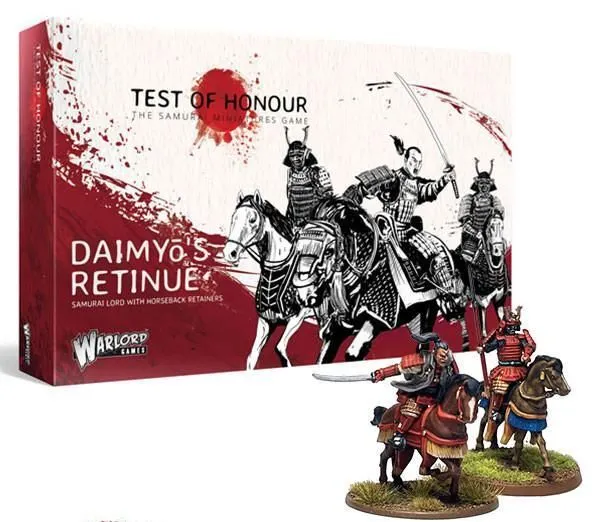
Test of Honour: The Samurai Miniatures Game – Daimyō's Retinue
2017
Aiuto con le regole di Test of Honour: The Samurai Miniatures Game – Daimyō's Retinue
Spiegazioni chiare di turni, effetti delle carte e situazioni dubbie, con riferimenti alle fonti ufficiali e cronologia delle domande salvata.
- 2 giocatori
- 14+

Assistente delle regole di Test of Honour: The Samurai Miniatures Game – Daimyō's Retinue
Cosa vuoi sapere?
Le risposte vengono dal regolamento ufficiale, con la pagina da verificare.
Test of Honour: The Samurai Miniatures Game – Daimyō's Retinue è un’espansione di Test of Honour: The Samurai Miniatures Game pubblicata nel 2017 per 2 giocatori e dai 14 anni in su. È stato ideato da Graham Davey e le sue meccaniche principali sono Dice Rolling, Action Points e Campaign / Battle Card Driven.
Informazioni sul gioco
In inglese
Ever confident of victory, Daimyō Osugawa charges recklessly into battle, leading his fearsome, masked retinue to spill the blood of his foes. Osugawa's mounted retinue brings extra skills to the game via new cards especially for cavalry. Mounted Retainers introduce a cheap mounted melee unit, while the Mounted Sergeant can give another mounted commoner an extra move, meaning 12" and shoot, 15" charge range or 18" total move! There are new metal demon-masked helmets and 18 new cards in the set. The 'Terrifying Visage' card means that enemies must pass a Test of Honour or lose 1 dice from their Avoid roll, while 'Momentum' allows you to draw the next token if you cut down an enemy. Osugawa himself is arrogant and out for blood and glory - he charges 7" until he's managed to cut down an enemy samurai. And look out for the 'Self Confidence' Quest card - field 2 points less than allowed and still win the battle!
Autori
Editori
- Warlord Games
Domande e risposte
Secondo il catalogo, Test of Honour: The Samurai Miniatures Game – Daimyō's Retinue supporta 2 giocatori. È il numero di giocatori indicato dall’editore, quindi il gioco è pensato esattamente per quel numero di partecipanti. Le varianti per gruppi di altre dimensioni, se esistono, sono descritte nel regolamento della tua edizione: consultalo prima di preparare una configurazione diversa.
Il catalogo indica Test of Honour: The Samurai Miniatures Game – Daimyō's Retinue dai 14 anni in su. È la raccomandazione dell’editore e tiene conto della lettura richiesta, della complessità delle regole e dei componenti piccoli, non solo del tema. I più giovani spesso possono giocare con l’aiuto di un adulto: controlla l’età consigliata sulla tua edizione e l’esperienza del tuo gruppo con i giochi da tavolo.
Test of Honour: The Samurai Miniatures Game – Daimyō's Retinue appartiene a queste categorie: Wargame, Miniatures e Medieval. Le sue meccaniche principali sono Dice Rolling, Action Points e Campaign / Battle Card Driven. Le categorie descrivono il tema e l’ambientazione di un gioco, mentre le meccaniche descrivono ciò che i giocatori fanno davvero nel proprio turno. Ogni meccanica porta a una pagina del catalogo con giochi simili.
Gli autori accreditati di Test of Honour: The Samurai Miniatures Game – Daimyō's Retinue sono: Graham Davey. Questi crediti provengono dai dati pubblicati del gioco e indicano le persone responsabili della sua progettazione, non gli illustratori o gli editori. Le pagine degli autori su MeepleRules raccolgono altri titoli degli stessi autori, utili quando un gioco ti piace e ne cerchi di simili.
Il catalogo classifica Test of Honour: The Samurai Miniatures Game – Daimyō's Retinue come espansione di Test of Honour: The Samurai Miniatures Game. Le espansioni aggiungono contenuti, regole o scenari al gioco base e di solito non si possono giocare da sole, quindi per usarla ti serve Test of Honour: The Samurai Miniatures Game. Controlla che la tua edizione di Test of Honour: The Samurai Miniatures Game sia compatibile, perché alcune espansioni sono state riviste tra un’edizione e l’altra.