

- Posizione BGG
- BGG #3216
- Valutazione BGG
- 7,7
The Great Battles of Alexander: Deluxe Edition
- 1–4 giocatori
- 240 min
- Complessità 3,6/5
- 1995
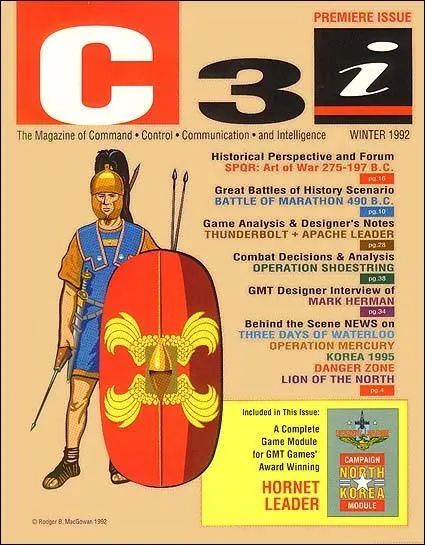
1992
Aiuto con le regole di The Battle of Marathon, 490 B.C.
Spiegazioni chiare di turni, effetti delle carte e situazioni dubbie, con riferimenti alle fonti ufficiali e cronologia delle domande salvata.
Cosa vuoi sapere?
Le risposte vengono dal regolamento ufficiale, con la pagina da verificare.
The Battle of Marathon, 490 B.C. è un’espansione per gioco da tavolo pubblicata nel 1992 per 2 giocatori. È stato ideato da Richard H. Berg e Mark Herman e le sue meccaniche principali sono Dice Rolling, Hexagon Grid e Line of Sight.




In inglese
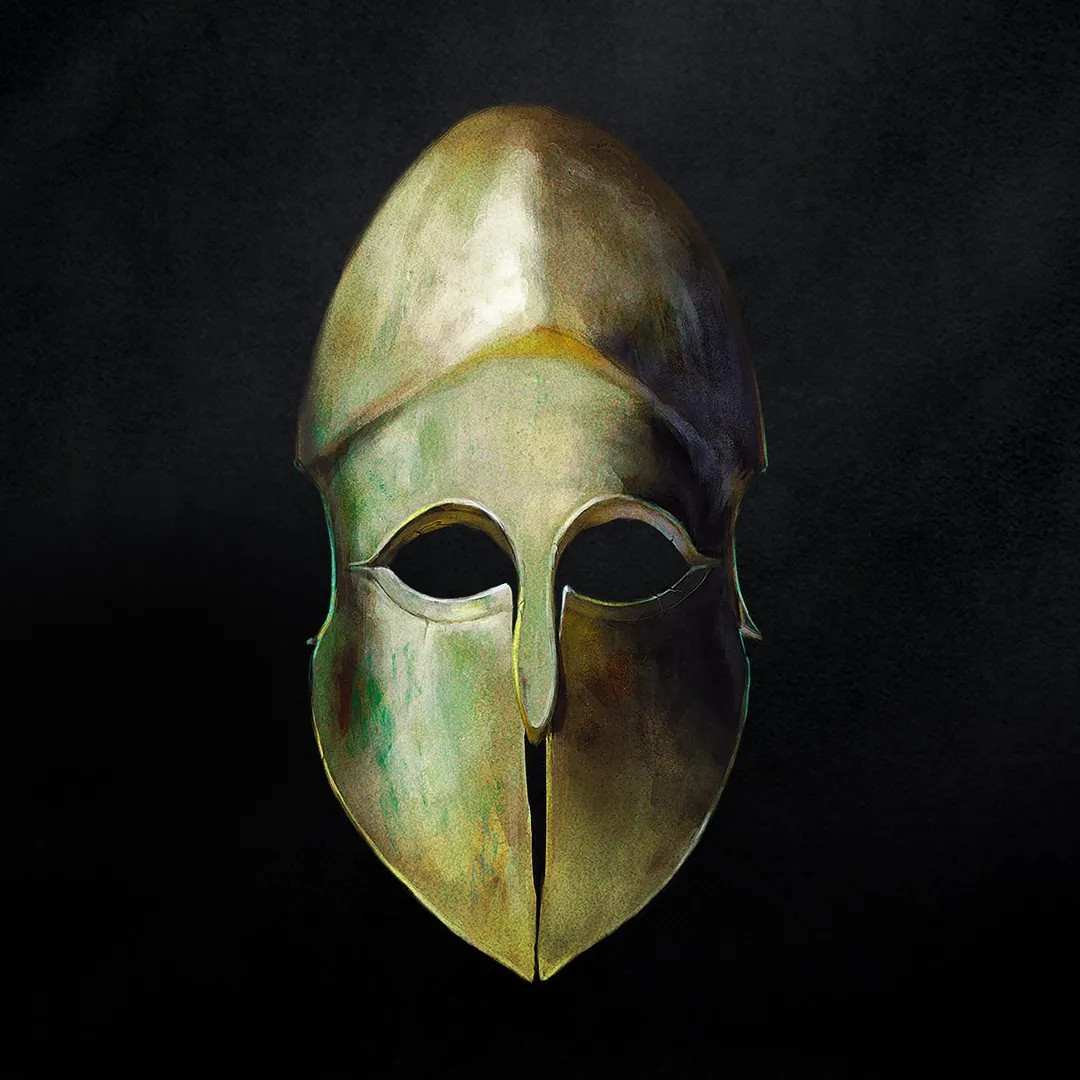
An expansion for The Great Battles of Alexander, this module is found in RBM/GMT's C3i Magazine Nr 1. It is the first C3i magazine scenario for Great Battles of History. As with other games in the series, it uses a combat system that emphasizes weapon/armor superiority and maneuverability over quantity. According to designer Mark Herman, "Hoplite warfare is a rather stolid affair. In most battles it's a question of whether Phalanx "a" can outpush and outsnarl Phalanx "b". This, for the most part, is why we chose not to begin our Great Battles of History series with something like HOPLITE: Classical Greek Warfare. With only a few exceptions, the scenario pickings alternate between dreary and grim. Marathon, one of the pivotal battles in classical history, is one of those exceptions." Marathon features the first bloody meeting between the great Persian Empire and the emerging power of Athens. The Persian army utilized light infantry and light cavalry from across their cosmopolitan empire. The Athenians used the famed Greek hoplites.
Secondo il catalogo, The Battle of Marathon, 490 B.C. supporta 2 giocatori. È il numero di giocatori indicato dall’editore, quindi il gioco è pensato esattamente per quel numero di partecipanti. Le varianti per gruppi di altre dimensioni, se esistono, sono descritte nel regolamento della tua edizione: consultalo prima di preparare una configurazione diversa.
The Battle of Marathon, 490 B.C. ha un punteggio di complessità di 3,5 su 5 secondo i giocatori di BoardGameGeek, il che lo rende un gioco di media complessità. Il punteggio riflette quanta conoscenza delle regole, pianificazione e decisioni richiede una partita tipica. I giochi impegnativi richiedono una prima spiegazione più lunga, quindi conviene usare una guida di preparazione.
The Battle of Marathon, 490 B.C. appartiene a queste categorie: Wargame, Ancient e Expansion for Base-game. Le sue meccaniche principali sono Dice Rolling, Hexagon Grid e Line of Sight. Le categorie descrivono il tema e l’ambientazione di un gioco, mentre le meccaniche descrivono ciò che i giocatori fanno davvero nel proprio turno. Ogni meccanica porta a una pagina del catalogo con giochi simili.
Gli autori accreditati di The Battle of Marathon, 490 B.C. sono: Richard H. Berg e Mark Herman. Questi crediti provengono dai dati pubblicati del gioco e indicano le persone responsabili della sua progettazione, non gli illustratori o gli editori. Le pagine degli autori su MeepleRules raccolgono altri titoli degli stessi autori, utili quando un gioco ti piace e ne cerchi di simili.
Il catalogo classifica The Battle of Marathon, 490 B.C. come espansione. Le espansioni aggiungono contenuti, regole o scenari a un gioco base esistente e di solito non si possono giocare da sole. Controlla sulla scatola o nella descrizione dell’editore quale gioco base serve e assicurati che la tua edizione di quel gioco sia compatibile con questa espansione.