
- Posizione BGG
- BGG #12.182
- Valutazione BGG
- 7,4
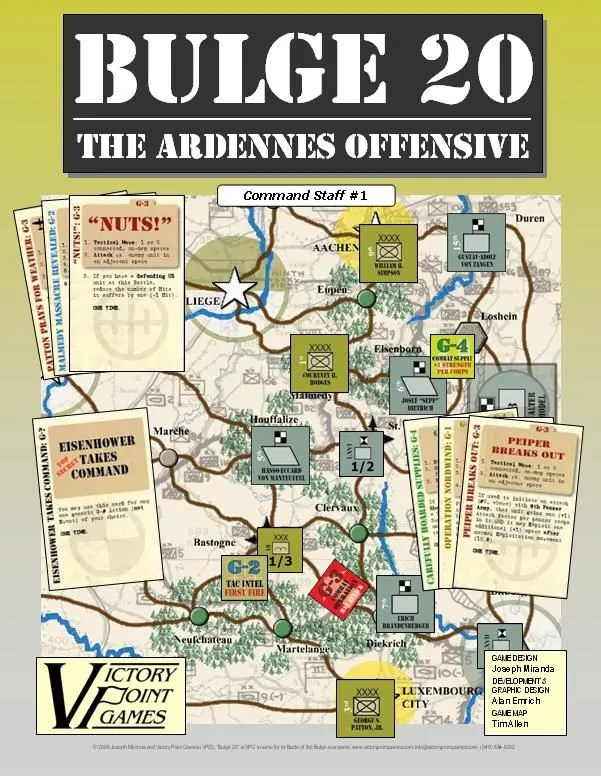
Bulge 20: The Ardennes Offensive
- 2 giocatori
- 75 min
- Complessità 2,3/5
- 2009
2011
Aiuto con le regole di The Rhineland War, 1936-37
Spiegazioni chiare di turni, effetti delle carte e situazioni dubbie, con riferimenti alle fonti ufficiali e cronologia delle domande salvata.
Per 1 giocatore
Cosa vuoi sapere?
Le risposte vengono dal regolamento ufficiale, con la pagina da verificare.
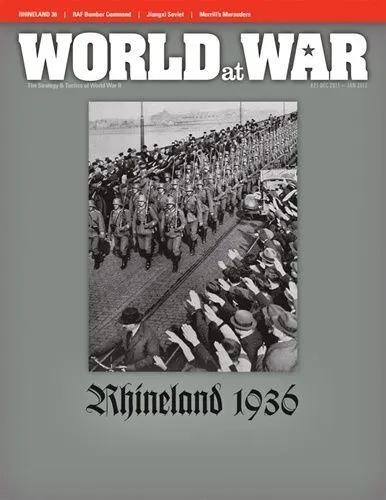
The Rhineland War, 1936-37 è un gioco da tavolo pubblicato nel 2011 per 1–2 giocatori, con partite da 240 minuti e dai 12 anni in su. È stato ideato da Joseph Miranda e le sue meccaniche principali sono Hexagon Grid.
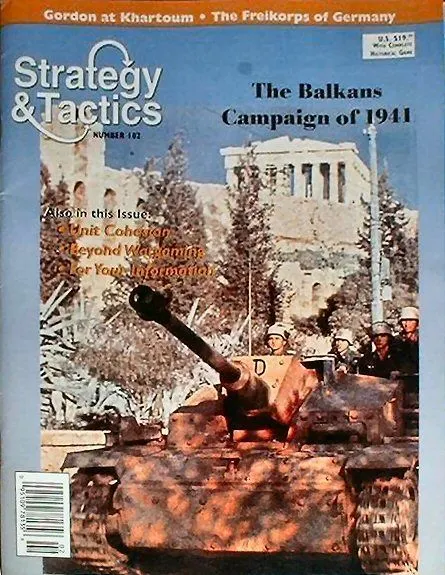

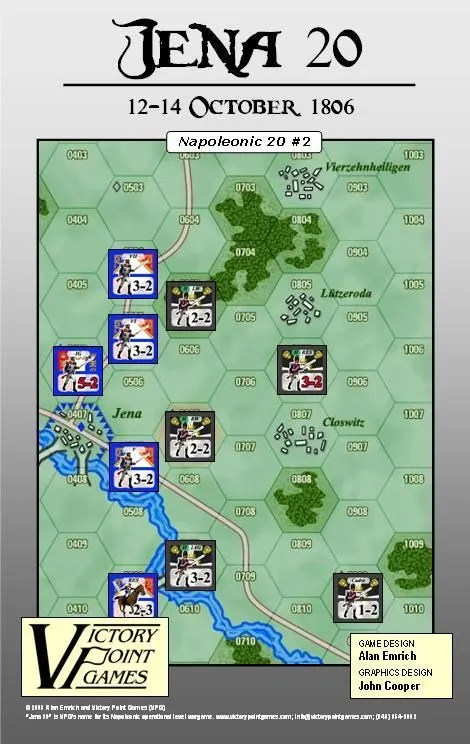
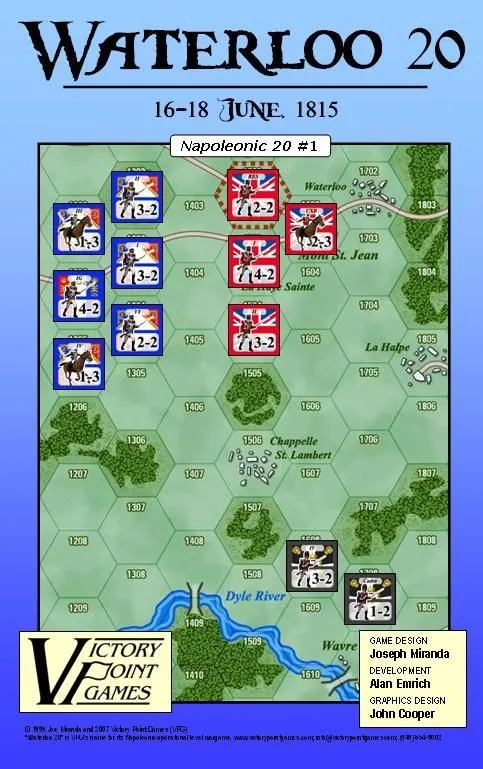
In inglese
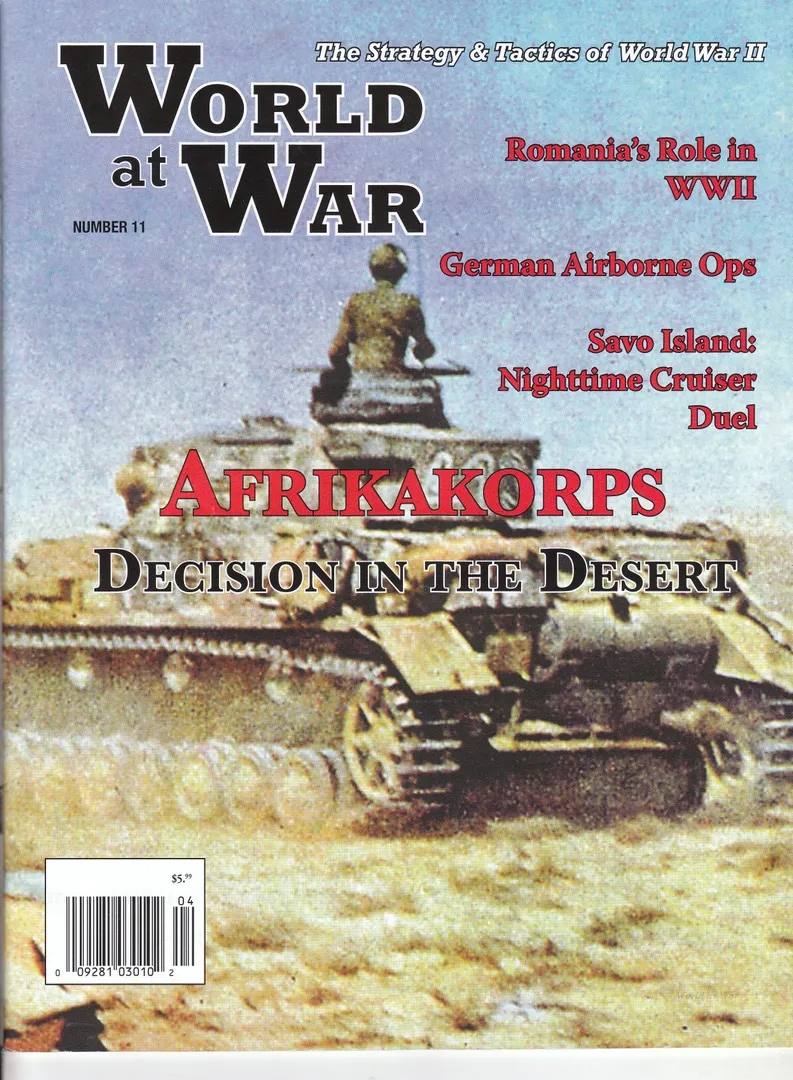
The Rhineland Crisis War, 1936-37, designed by Joseph Miranda,is a strategic-level simulation of intermediate complexity that covers an alternative World War II in Europe, one that began in 1936. The assumption is, when Hitler ordered his army to march into the Rhineland, the Allied powers, instead of appeasing him, ordered their armed forces to resist. The ensuing chain of events leads to the war expanding throughout Europe. A war fought at that time would’ve found all European militaries woefully unprepared. Central to the play of the game are its “crisis chits.” They represent various diplomatic and military events that could bring other powers into the war. Players pick crisis chits depending on the number of crisis hexes (printed on the map) they control. The more such hexes they control, the greater the chances they have of gaining more allies. At the same time, grabbing too much territory can lead to political collapse at home, as domestic foes work to undermine your power before the conflict explodes into a wider war. Rhineland Crisis War is a two-player game. One player commands the Axis, controlling Germany and the countries that choose to align with Berlin. The other is the Allied player, who controls the anti-German forces. Each hex on the map represents 62 miles (100 km) from side to opposite side. Each full game turn represents one month. Units of maneuver are corps and armies. Special rules cover: crises, political collapse, reinforcements, replacements, terror bombing, railroads, fog of war, airpower, naval and amphibious operations, weather, neutrals, the Soviet Union, armistice and surrender, the Spanish Civil War, expeditionary forces, airborne units, air transport, fifth columns, alpine units, and anti-aircraft units. The turn sequence is as follows. I. Axis Player Turn A. Axis Mobilization Phase B. Axis Terror Bombing Phase C. Axis Movement Phase D. Axis Combat Phase E. Axis Rally Phase F. Axis Crisis Phase II. Allied Player Turn A. Allied Mobilization Phase B. Allied Terror Bombing Phase C. Allied Movement Phase D. Allied Combat Phase E. Allied Rally Phase. F. Allied Crisis Phase III. End of Turn Phase
Secondo il catalogo, The Rhineland War, 1936-37 supporta da 1 a 2 giocatori. L’intervallo corrisponde al numero di giocatori indicato dall’editore, quindi il gioco si può preparare per qualsiasi gruppo entro quei limiti. Preparazione, alcune regole e punteggio possono comunque variare in base al numero di giocatori: controlla la configurazione esatta nel regolamento della tua edizione.
La durata indicata per The Rhineland War, 1936-37 è di 240 minuti, la stima dell’editore per una partita completa. La durata effettiva dipende dal gruppo, dal numero di giocatori e dalla conoscenza delle regole: le prime partite durano di più, i gruppi esperti finiscono prima. Preparazione e spiegazione delle regole non sono comprese nella stima.
Il catalogo indica The Rhineland War, 1936-37 dai 12 anni in su. È la raccomandazione dell’editore e tiene conto della lettura richiesta, della complessità delle regole e dei componenti piccoli, non solo del tema. I più giovani spesso possono giocare con l’aiuto di un adulto: controlla l’età consigliata sulla tua edizione e l’esperienza del tuo gruppo con i giochi da tavolo.
The Rhineland War, 1936-37 ha un punteggio di complessità di 3,2 su 5 secondo i giocatori di BoardGameGeek, il che lo rende un gioco di media complessità. Il punteggio riflette quanta conoscenza delle regole, pianificazione e decisioni richiede una partita tipica. I giochi impegnativi richiedono una prima spiegazione più lunga, quindi conviene usare una guida di preparazione.
The Rhineland War, 1936-37 appartiene a queste categorie: Wargame e World War II. Le sue meccaniche principali sono Hexagon Grid. Le categorie descrivono il tema e l’ambientazione di un gioco, mentre le meccaniche descrivono ciò che i giocatori fanno davvero nel proprio turno. Ogni meccanica porta a una pagina del catalogo con giochi simili.
Gli autori accreditati di The Rhineland War, 1936-37 sono: Joseph Miranda. Questi crediti provengono dai dati pubblicati del gioco e indicano le persone responsabili della sua progettazione, non gli illustratori o gli editori. Le pagine degli autori su MeepleRules raccolgono altri titoli degli stessi autori, utili quando un gioco ti piace e ne cerchi di simili.
Il catalogo classifica The Rhineland War, 1936-37 come gioco base. Si gioca da solo con i componenti presenti nella scatola e non richiede altri titoli. Le espansioni, se esistono, aggiungono nuovo contenuto o nuove regole e sono elencate separatamente nel catalogo con un collegamento a questo gioco base.