- Posizione BGG
- BGG #6218
- Valutazione BGG
- 6,5
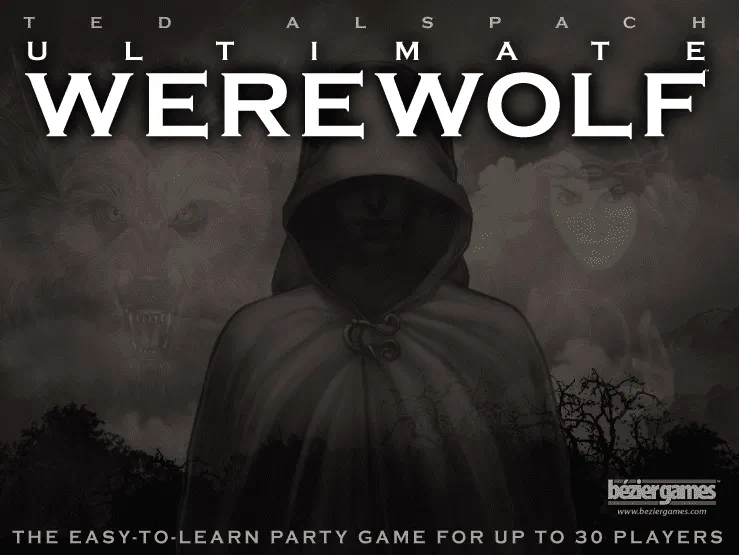
Ultimate Werewolf
- 5–30 giocatori
- 30–90 min
- Complessità 1,2/5
- 2014
2007
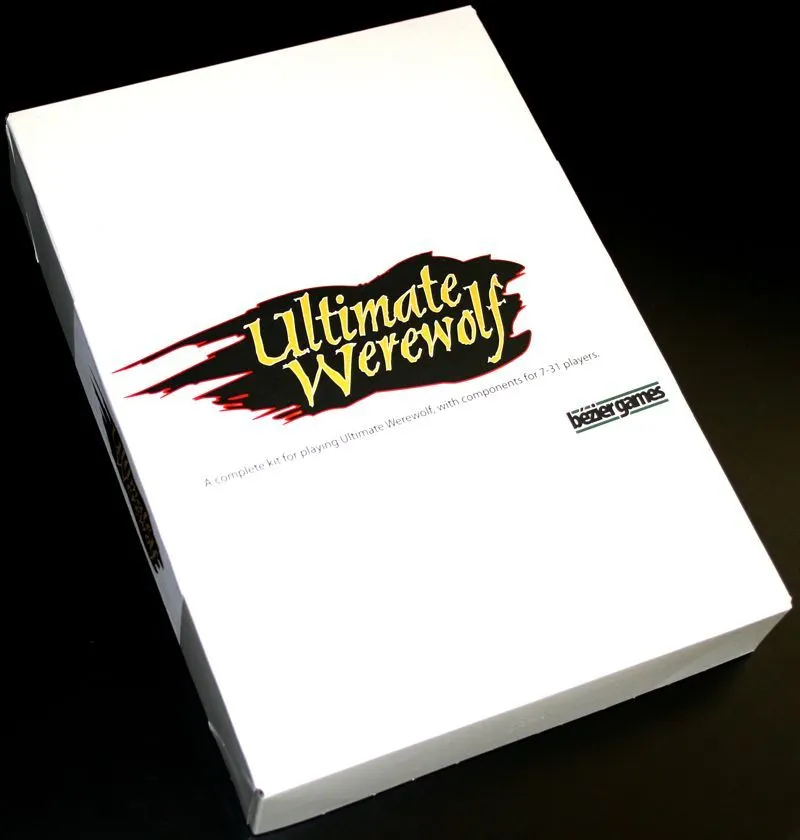
Aiuto con le regole di Ultimate Werewolf: Whitebox Edition
Spiegazioni chiare di turni, effetti delle carte e situazioni dubbie, con riferimenti alle fonti ufficiali e cronologia delle domande salvata.
Cosa vuoi sapere?
Le risposte vengono dal regolamento ufficiale, con la pagina da verificare.
Ultimate Werewolf: Whitebox Edition è un gioco da tavolo pubblicato nel 2007 per 7–31 giocatori, con partite da 60 minuti e dai 14 anni in su. È stato ideato da Ted Alspach e le sue meccaniche principali sono Variable Player Powers, Role Playing e Team-Based Game.





In inglese
This edition is out of print as of September 2008 and has been replaced by Ultimate Werewolf: Ultimate Edition Ultimate Werewolf is a group game/activity where each of the players take on secret roles in a village that's being terrorized by werewolves. Some of the players are werewolves, many are plain, simple villagers, but many players have special abilities, such as being able to tell who is a werewolf and who isn't, and the Magician, who can save or kill any other player instantly. Each night the werewolves eat a villager. Each day, the village convenes and attempts to lynch one of their own, trying to find the werewolves that are secretly living among them. The Ultimate Werewolf: Whitebox Edition package from Bezier Games makes this game easier to play than ever before, and supports up to 31 players! Ultimate Werewolf: Whitebox Edition includes a number of components to make your games faster, more intriguing, and more fun than ever before: 31 Sleeved Player Cards: These lavishly illustrated full-color cards contain the name of the role and a short description of that role's abilities. There's no confusion as to what each card is and what that role does. Each player card comes in a plastic sleeve with a sliding insert that covers the card face. There's no chance of accidentally flipped, dropped, or otherwise revealed cards. Getting Started with Ultimate Werewolf Guide: This handy guide provides information and advice about everything related to setting up and moderating an Ultimate Werewolf game, from how to set up the chairs for the players to how to keep the game moving along. Player Reference Cards: 30 full-size reference cards with a complete role listing and explanation on one side, and a detailed walk-through of the gameplay on the other. Moderator Reference Cards: Reference cards for the Moderator with a detailed walk-through (including what to say at each step of the game) on one side, and role identity charts to fill out during the first night - never get confused over who is the hunter or any other role! Role Suggestion Card: A handy reference card that suggests the right mix of werewolves, villagers, and special roles for players in any number from 7-31. Name Card Tents: Included are 30 name card tents so all players can address each other by name; great for large groups, visitors, and team-building events. The Amulet of Protection: One player secretly has an Amulet of Protection that will prevent him from dying one time. At night he may pass the Amulet to another player. Any role may have the Amulet, which is a smaller card that is inserted between the role card and the sliding insert. Custom Cards: If you're an experienced player who likes to play with a certain role not included in the base set, you can select an additional role from a list, or even have custom cards made and enclosed with your order. Unique custom roles found only in Ultimate Werewolf: Whitebox Edition: The Village Idiot, Wolf Cub, Aura Seer and Spellcaster. Re-implements: Werewolf Re-implemented by: Ultimate Werewolf: Ultimate Edition
Secondo il catalogo, Ultimate Werewolf: Whitebox Edition supporta da 7 a 31 giocatori. L’intervallo corrisponde al numero di giocatori indicato dall’editore, quindi il gioco si può preparare per qualsiasi gruppo entro quei limiti. Preparazione, alcune regole e punteggio possono comunque variare in base al numero di giocatori: controlla la configurazione esatta nel regolamento della tua edizione.
La durata indicata per Ultimate Werewolf: Whitebox Edition è di 60 minuti, la stima dell’editore per una partita completa. La durata effettiva dipende dal gruppo, dal numero di giocatori e dalla conoscenza delle regole: le prime partite durano di più, i gruppi esperti finiscono prima. Preparazione e spiegazione delle regole non sono comprese nella stima.
Il catalogo indica Ultimate Werewolf: Whitebox Edition dai 14 anni in su. È la raccomandazione dell’editore e tiene conto della lettura richiesta, della complessità delle regole e dei componenti piccoli, non solo del tema. I più giovani spesso possono giocare con l’aiuto di un adulto: controlla l’età consigliata sulla tua edizione e l’esperienza del tuo gruppo con i giochi da tavolo.
Ultimate Werewolf: Whitebox Edition ha un punteggio di complessità di 1,3 su 5 secondo i giocatori di BoardGameGeek, il che lo rende un gioco leggero. Il punteggio riflette quanta conoscenza delle regole, pianificazione e decisioni richiede una partita tipica. I giochi impegnativi richiedono una prima spiegazione più lunga, quindi conviene usare una guida di preparazione.
Ultimate Werewolf: Whitebox Edition appartiene a queste categorie: Deduction, Murder / Mystery e Horror. Le sue meccaniche principali sono Variable Player Powers, Role Playing e Team-Based Game. Le categorie descrivono il tema e l’ambientazione di un gioco, mentre le meccaniche descrivono ciò che i giocatori fanno davvero nel proprio turno. Ogni meccanica porta a una pagina del catalogo con giochi simili.
Gli autori accreditati di Ultimate Werewolf: Whitebox Edition sono: Ted Alspach. Questi crediti provengono dai dati pubblicati del gioco e indicano le persone responsabili della sua progettazione, non gli illustratori o gli editori. Le pagine degli autori su MeepleRules raccolgono altri titoli degli stessi autori, utili quando un gioco ti piace e ne cerchi di simili.
Il catalogo classifica Ultimate Werewolf: Whitebox Edition come gioco base. Si gioca da solo con i componenti presenti nella scatola e non richiede altri titoli. Le espansioni, se esistono, aggiungono nuovo contenuto o nuove regole e sono elencate separatamente nel catalogo con un collegamento a questo gioco base.