

- Posizione BGG
- BGG #11.796
- Valutazione BGG
- 8,4
SEEKRIEG 5
- 2–10 giocatori
- 120 min
- Complessità 4,1/5
- 2004
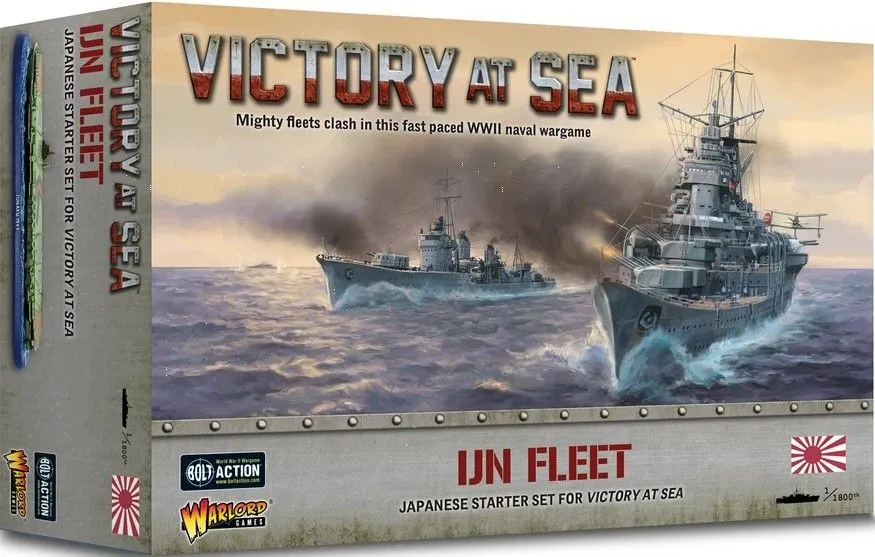
Aiuto con le regole di Victory at Sea: IJN fleet
Spiegazioni chiare di turni, effetti delle carte e situazioni dubbie, con riferimenti alle fonti ufficiali e cronologia delle domande salvata.
Cosa vuoi sapere?
Le risposte vengono dal regolamento ufficiale, con la pagina da verificare.
Victory at Sea: IJN fleet è un’espansione di Victory at Sea: Battle for the Pacific pubblicata nel 2020 per 2 giocatori e dai 10 anni in su. Le sue meccaniche principali sono Dice Rolling, Simulation e Measurement Movement.



In inglese
For centuries, Japan's policy of seclusion (sakoku) saw it concentrate on coastal defences in order to repel foreign vessels. However, with the advances other maritime nations were making, it eventually became obvious that no longer would Japan be able to ignore the rest of the world. As an island power, it needed a modern navy. Turning to Britain for assistance, Japan quickly created a powerful modern fleet. It was this capable and confident navy that came out to fight the American Pacific Fleet. The Japanese understood the potential of air power early and created an effective carrier arm. In addition to the carriers, the Imperial Japanese Navy possessed a powerful battleship force, which included the largest and most powerful battleships in the world, the Yamato and the Musashi. The Imperial Japanese Navy's potential was demonstrated in the attack on Pearl Harbor in 1941. Using armour-piercing bombs and torpedoes, Japanese aircraft inflicted tremendous damage on the American Pacific fleet as it lay at anchor. Midway was the turning point of naval war in the Pacific and, from then on, the Imperial Japanese Navy was unable to make any headway against the increasing carrier strength of the US Navy. With the victorious Allies pushing towards the Japanese islands, the Imperial Japanese Navy fought desperately to keep them at bay. Kamikaze aircraft and other suicide weapons were deployed, and eventually warships of the Imperial Japanese Navy made death-rides against US forces. Contents: 8 Model Ships ‣ 1 Kongō 1941 ‣ 1 Zuikaku 1944 ‣ 1 Suzuya 1944 ‣ 1 Mikuma 1942 ‣ 1 Yahagi 1943 ‣ 3 Kagerō-class Destroyers 4 Mitsubishi A6M2 Zero Flights Ship Cards Damage Sliders —description from the publisher
Secondo il catalogo, Victory at Sea: IJN fleet supporta 2 giocatori. È il numero di giocatori indicato dall’editore, quindi il gioco è pensato esattamente per quel numero di partecipanti. Le varianti per gruppi di altre dimensioni, se esistono, sono descritte nel regolamento della tua edizione: consultalo prima di preparare una configurazione diversa.
Il catalogo indica Victory at Sea: IJN fleet dai 10 anni in su. È la raccomandazione dell’editore e tiene conto della lettura richiesta, della complessità delle regole e dei componenti piccoli, non solo del tema. I più giovani spesso possono giocare con l’aiuto di un adulto: controlla l’età consigliata sulla tua edizione e l’esperienza del tuo gruppo con i giochi da tavolo.
Victory at Sea: IJN fleet appartiene a queste categorie: Wargame, Miniatures e Nautical. Le sue meccaniche principali sono Dice Rolling, Simulation e Measurement Movement. Le categorie descrivono il tema e l’ambientazione di un gioco, mentre le meccaniche descrivono ciò che i giocatori fanno davvero nel proprio turno. Ogni meccanica porta a una pagina del catalogo con giochi simili.
Il catalogo classifica Victory at Sea: IJN fleet come espansione di Victory at Sea: Battle for the Pacific. Le espansioni aggiungono contenuti, regole o scenari al gioco base e di solito non si possono giocare da sole, quindi per usarla ti serve Victory at Sea: Battle for the Pacific. Controlla che la tua edizione di Victory at Sea: Battle for the Pacific sia compatibile, perché alcune espansioni sono state riviste tra un’edizione e l’altra.