
- Posizione BGG
- BGG #1705
- Valutazione BGG
- 6,9
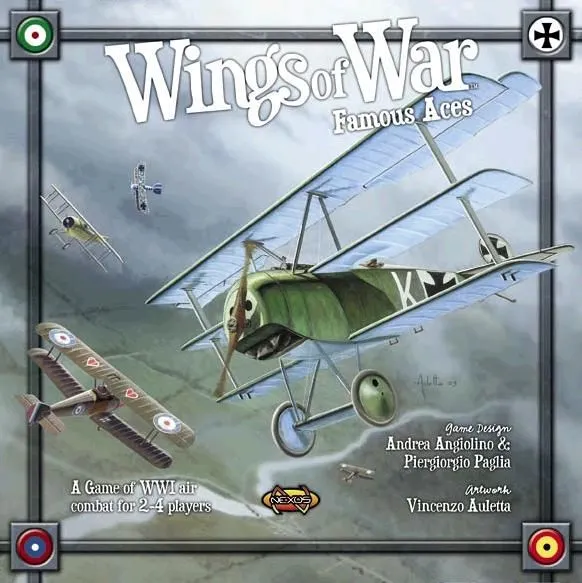
Wings of War: Famous Aces
- 2–4 giocatori
- 20 min
- Complessità 1,7/5
- 2004
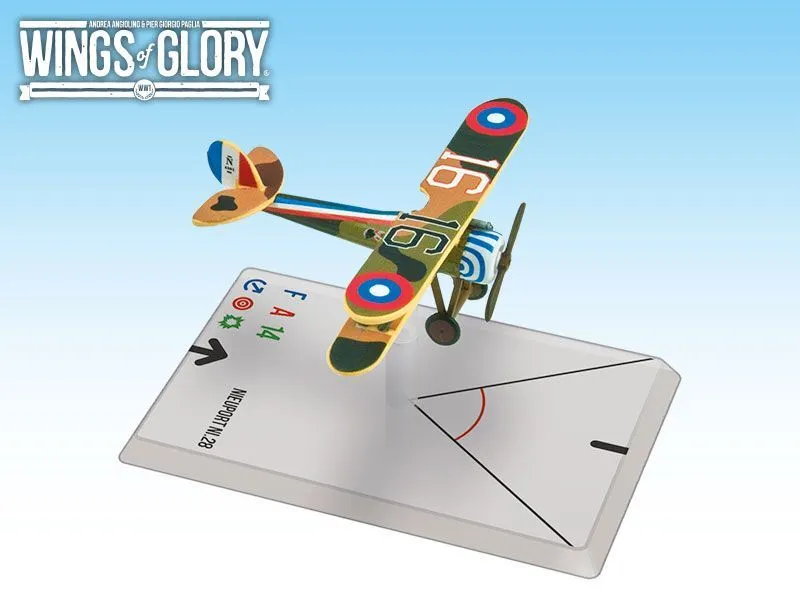
Aiuto con le regole di Wings of Glory: World War 1 – Nieuport Ni.28
Spiegazioni chiare di turni, effetti delle carte e situazioni dubbie, con riferimenti alle fonti ufficiali e cronologia delle domande salvata.
Cosa vuoi sapere?
Le risposte vengono dal regolamento ufficiale, con la pagina da verificare.
Wings of Glory: World War 1 – Nieuport Ni.28 è un’espansione di Wings of Glory: WW1 Airplane Packs pubblicata nel 2015. Le sue meccaniche principali sono Simultaneous Action Selection, Simulation e Action Queue.

In inglese
From the publisher: The Nieuport 28 was a French biplane fighter flown during World War I, designed by Gustave Delage. Owing its lineage to the successful line of sesquiplane fighters as the Nieuport 17, the Nieuport 28 continued a similar design philosophy of a lightweight and highly maneuverable aircraft. A shortage of SPADs led to the production of Nieuport 28s. It became the first aircraft to see operational service with an American fighter squadron. It was flown by famous aces such as Ralph A. O’Neil, Harold E. Hartney and Edward Rickenbacker. Designed to be used with the popular air combat game system created by Andrea Angiolino and Pier Giorgio Paglia, each WW1 Wings of Glory Airplane Pack is a ready-to-play model, painted and assembled, 100% compatible with any other WW1 Wings of Glory game product. In each pack you will find all you need to play with the airplane: a special base with gaming stats, a variable altitude flying stand, and a specific deck of maneuver cards.
Wings of Glory: World War 1 – Nieuport Ni.28 appartiene a queste categorie: Fighting, Miniatures e Expansion for Base-game. Le sue meccaniche principali sono Simultaneous Action Selection, Simulation e Action Queue. Le categorie descrivono il tema e l’ambientazione di un gioco, mentre le meccaniche descrivono ciò che i giocatori fanno davvero nel proprio turno. Ogni meccanica porta a una pagina del catalogo con giochi simili.
Il catalogo classifica Wings of Glory: World War 1 – Nieuport Ni.28 come espansione di Wings of Glory: WW1 Airplane Packs. Le espansioni aggiungono contenuti, regole o scenari al gioco base e di solito non si possono giocare da sole, quindi per usarla ti serve Wings of Glory: WW1 Airplane Packs. Controlla che la tua edizione di Wings of Glory: WW1 Airplane Packs sia compatibile, perché alcune espansioni sono state riviste tra un’edizione e l’altra.