

- Posizione BGG
- BGG #6486
- Valutazione BGG
- 6,9
BattleTech: CityTech
- 2–6 giocatori
- 90 min
- Complessità 3,4/5
- 1986
1991
Aiuto con le regole di Xanth
Spiegazioni chiare di turni, effetti delle carte e situazioni dubbie, con riferimenti alle fonti ufficiali e cronologia delle domande salvata.
Cosa vuoi sapere?
Le risposte vengono dal regolamento ufficiale, con la pagina da verificare.
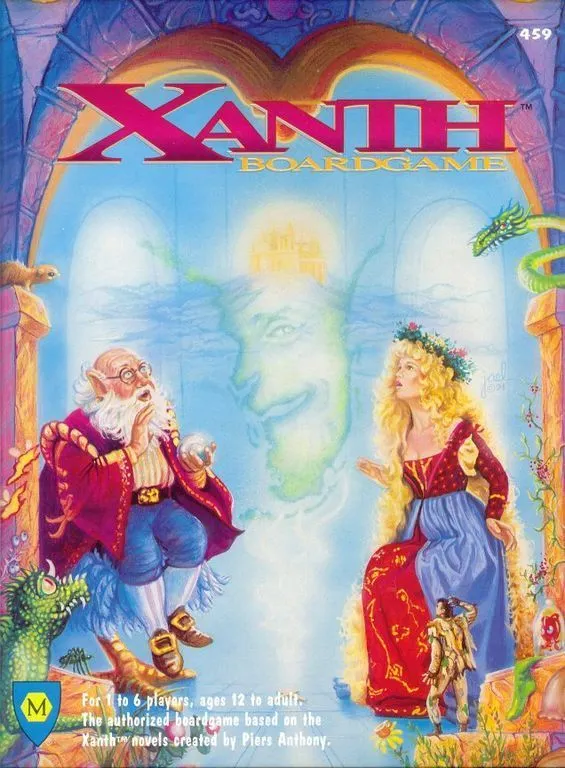
Xanth è un gioco da tavolo pubblicato nel 1991 per 1–6 giocatori, con partite da 180 minuti e dai 12 anni in su. È stato ideato da Mike Nystul e le sue meccaniche principali sono Set Collection, Roll / Spin and Move e Pick-up and Deliver.







In inglese
Based on the fantasy Xanth novels by Piers Anthony. From the box: On Xanth... Anyone who doesn't believe in magic must reckon with the rainbow, which shows up only at a distance and retreats if anyone walks toward it. If one person stands still and another walks, the rainbow remains in place for the one and retreats for the other - simultaneously. It is one-sided, like a one-way path, invisible from the other side. That is obviously magic. - Piers Anthony Xanth, the magical, pun-filled world of Piers Anthony's fantasy novels, comes to life in this hilarious game. As one of many colorful characters, players must travel across land and sea in order to fulfill their wild and wacky quests. For 1 to 6 players, ages 12 to adult. Contents: 162 playing cards, 15 dice, 6 pawns, 12 chits, gameboard, rulebook, sorting tray. There are 3 card types used in the game, Chair Actors (Characters), Events/Encounters & Quests. The majority are E/E cards. Only Character cards have colour illustrations, the others being monochrome or text only. A small errata sheet is included. Simple & Easy Game Each player starts with 2 character cards and a Quest card (which determines their starting area on the map), with the character's Cunning & Strength, plus a Talent - an extra rule or exception they can use, tying in to the character in the novels. Each turn starts by drawing an Event/Encounter card, playing it if it's a Disaster. Other E/E cards include objects to assist in some way, commonly in combat, hazards to play on other players, additional characters (mixed in from those not in play) etc., often limited by area (you have to get to some areas to activate some objects, for instance). If there is no Disaster, players move their pawn across the board (normally 2 areas, Characters, Event cards & the area characteristics can modify this). The other players may then play Events or Creatures on them, possibly limited by the area. Characters can attempt to avoid encounters (roll dice under Cunning), or may fight (roll a die under Strength to cause a wound, repeat until one side loses). The specific encounter or creature may modify this, as can many E/E cards. Players start from scratch if their character is beaten, but can heal by use of certain cards or in certain areas. The first to complete their Quest wins. Still Simple & Easy but Longer Game Same as before, but complete 2 or 3 Quests. This ties in to the 3 Quests set by the Magician Humphrey in the novels. Monaural (Solo) Game Same again, but work through the Quests deck until you are knocked out. hazards are drawn randomly instead of played by other players. Stereo (2-player) Game Same as the Monaural Game, the winner is the player who completes most Quests
Secondo il catalogo, Xanth supporta da 1 a 6 giocatori. L’intervallo corrisponde al numero di giocatori indicato dall’editore, quindi il gioco si può preparare per qualsiasi gruppo entro quei limiti. Preparazione, alcune regole e punteggio possono comunque variare in base al numero di giocatori: controlla la configurazione esatta nel regolamento della tua edizione.
La durata indicata per Xanth è di 180 minuti, la stima dell’editore per una partita completa. La durata effettiva dipende dal gruppo, dal numero di giocatori e dalla conoscenza delle regole: le prime partite durano di più, i gruppi esperti finiscono prima. Preparazione e spiegazione delle regole non sono comprese nella stima.
Il catalogo indica Xanth dai 12 anni in su. È la raccomandazione dell’editore e tiene conto della lettura richiesta, della complessità delle regole e dei componenti piccoli, non solo del tema. I più giovani spesso possono giocare con l’aiuto di un adulto: controlla l’età consigliata sulla tua edizione e l’esperienza del tuo gruppo con i giochi da tavolo.
Xanth ha un punteggio di complessità di 1,6 su 5 secondo i giocatori di BoardGameGeek, il che lo rende un gioco leggero. Il punteggio riflette quanta conoscenza delle regole, pianificazione e decisioni richiede una partita tipica. I giochi impegnativi richiedono una prima spiegazione più lunga, quindi conviene usare una guida di preparazione.
Xanth appartiene a queste categorie: Fantasy, Humor e Exploration. Le sue meccaniche principali sono Set Collection, Roll / Spin and Move e Pick-up and Deliver. Le categorie descrivono il tema e l’ambientazione di un gioco, mentre le meccaniche descrivono ciò che i giocatori fanno davvero nel proprio turno. Ogni meccanica porta a una pagina del catalogo con giochi simili.
Gli autori accreditati di Xanth sono: Mike Nystul. Questi crediti provengono dai dati pubblicati del gioco e indicano le persone responsabili della sua progettazione, non gli illustratori o gli editori. Le pagine degli autori su MeepleRules raccolgono altri titoli degli stessi autori, utili quando un gioco ti piace e ne cerchi di simili.
Il catalogo classifica Xanth come gioco base. Si gioca da solo con i componenti presenti nella scatola e non richiede altri titoli. Le espansioni, se esistono, aggiungono nuovo contenuto o nuove regole e sono elencate separatamente nel catalogo con un collegamento a questo gioco base.