
- Pozycja w BGG
- BGG #11 383
- Ocena BGG
- 7,1
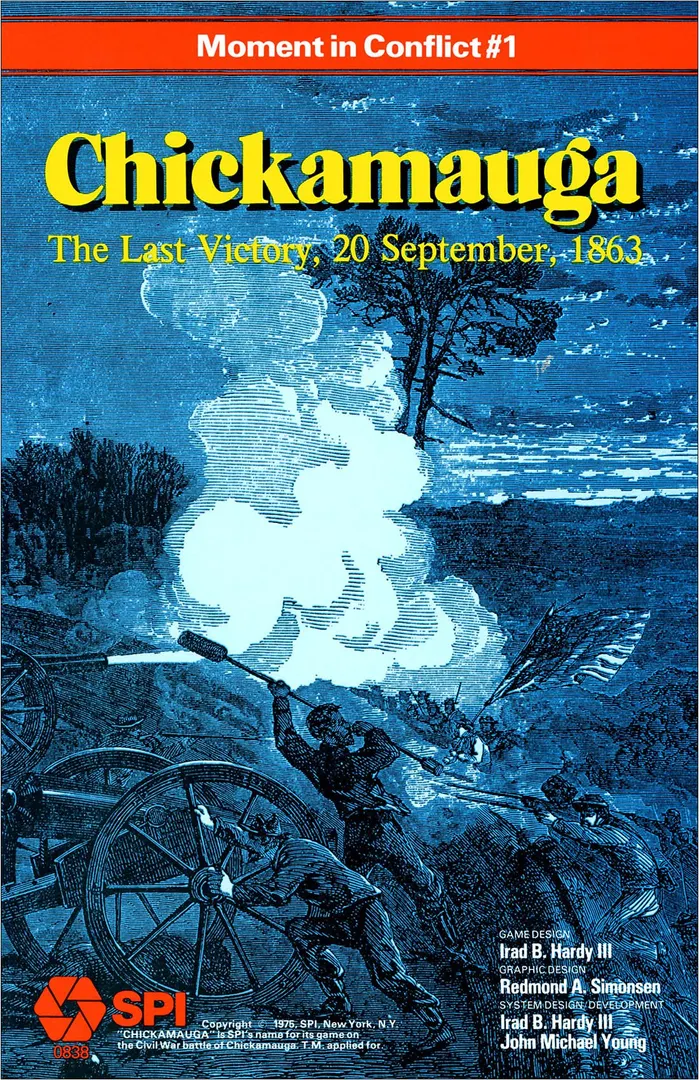
Chickamauga: The Last Victory, 20 September 1863
- 2 graczy
- 120 min
- Złożoność 2,1/5
- 1975
1972
Pomoc w zasadach gry 1812: The Campaign of Napoleon in Russia
Zrozumiałe wyjaśnienia tur, efektów kart i spornych sytuacji z odnośnikami do oficjalnych źródeł i zapisaną historią pytań.
Dla 2 graczy
Co chcesz wiedzieć?
Odpowiedzi pochodzą z oficjalnej instrukcji, ze stroną do sprawdzenia.
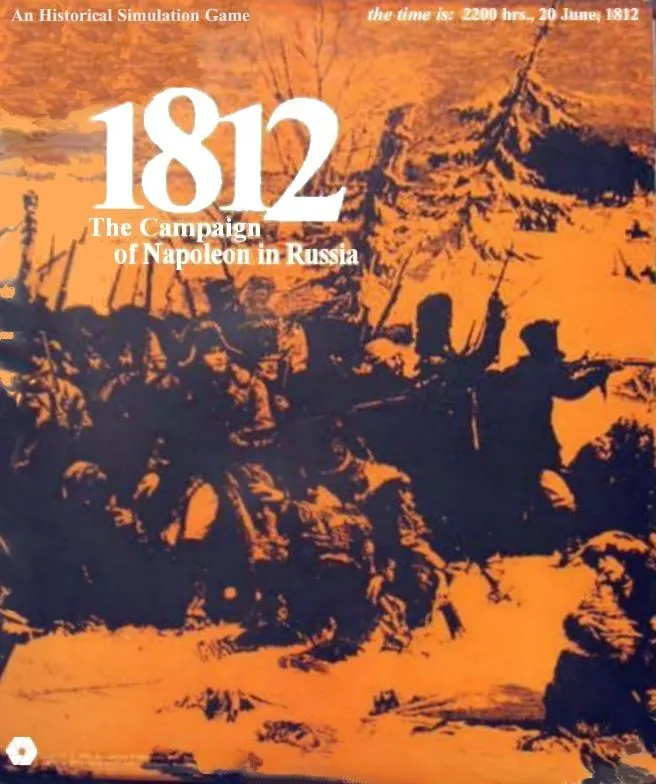
1812: The Campaign of Napoleon in Russia to gra planszowa wydana w 1972 roku dla osób od 12 lat. Projekt gry: Phil Orbanes Sr. i John Young. Główne mechaniki: Area Movement, Dice Rolling i Hexagon Grid.
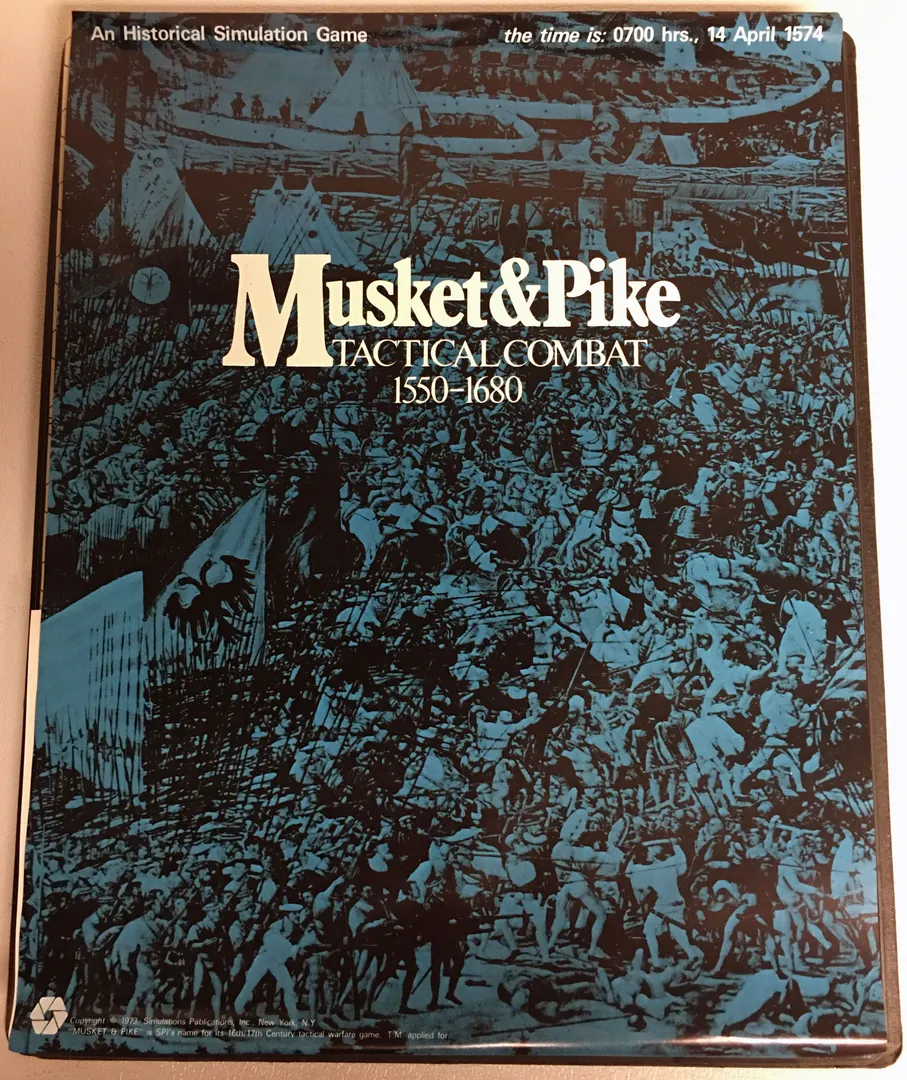
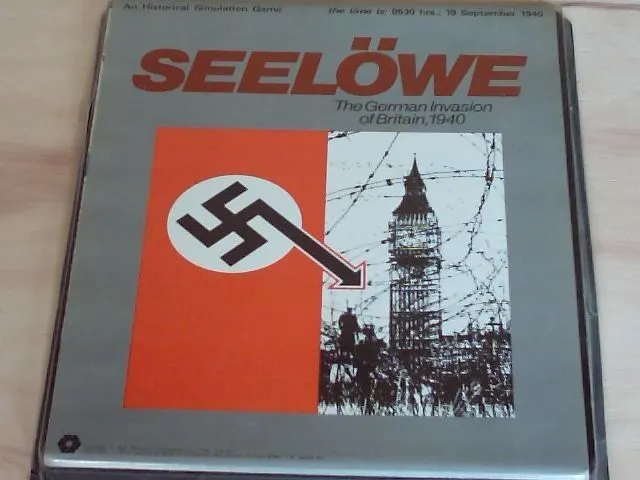
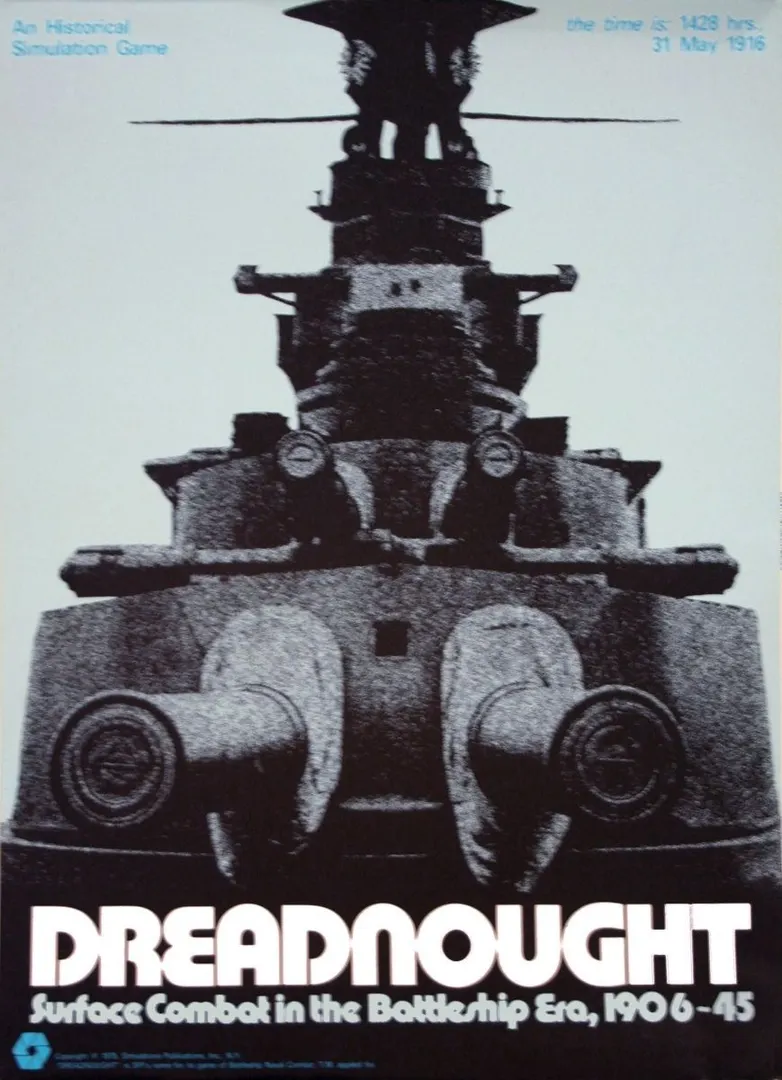

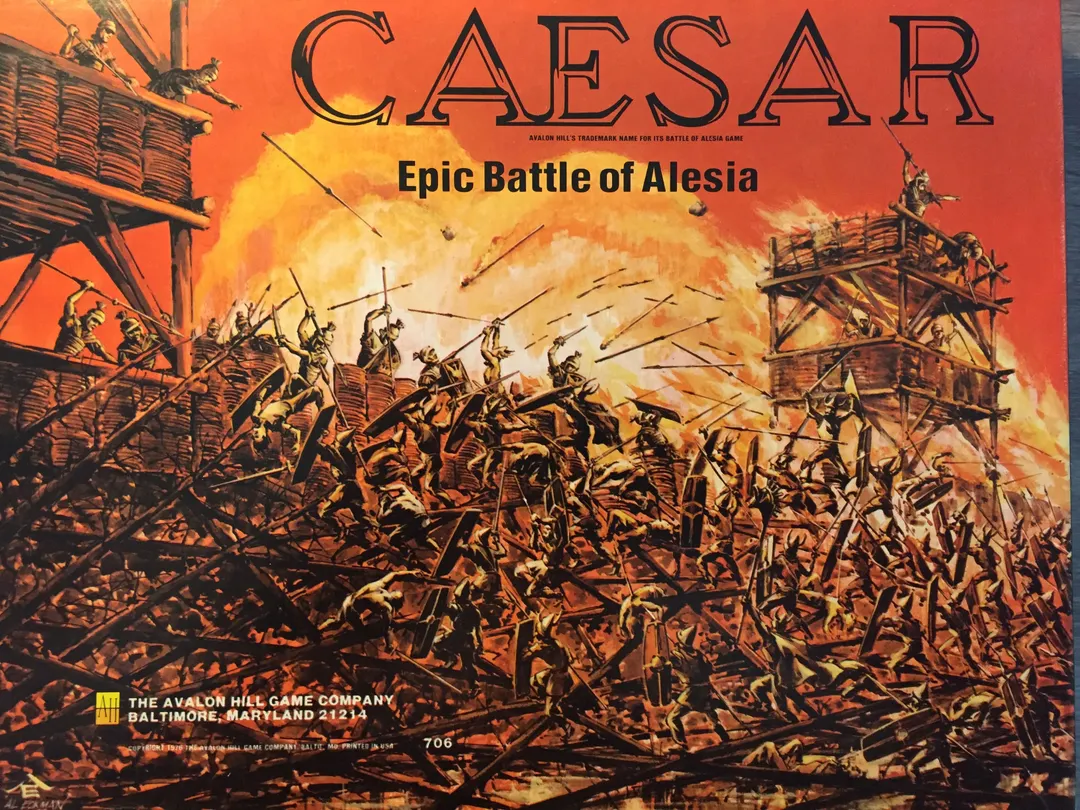


Po angielsku
The "1812 Grand Tactical game" is a simulation of the French invasion of Russia. The defeat of Napoleon in this campaign eventually led to the collapse of the French Empire, and the demise of that truly great military leader. The Grand Tactical game simulates the mechanics of strategic maneuver and tactical decision in this campaign. The game is divided into three Scenarios: Scenario 1 starts in June with the opposing forces deployed and ready to start the campaign. Scenario 2 starts in August, with Napoleon deep inside Russia and preparing his final drive to Moscow. In October, Napoleon in Moscow is about to begin the epic winter retreat as Russian armies converge from all directions. The "1812 Area Version" is a simulation of Napoleon's invasion of Russia between June and December 1812. This version is based upon systems different from the usual "hexagonal" pattern. The map is divided into geographical Areas and Sub-areas; while the Areas have equal supply capacity, the Subareas encompass roughly the same distance for movement and combat purposes. A totally new system of combat simulates the major factors important in Napoleonic battles without excessive quantification and simplification. In addition, because supply was so crucial to movement and combat decisions in this campaign, unique supply rules complement the innovative movement and combat systems. (above extract from rules) Two versions are included, using separate maps covering most of Russia. The strategic game is area driven, while the tactical version covers the same scope but using hex mechanics. There is an earlier version of the box that is NOT plastic, it is a completely cardboard box. Many of the early SPI games came in these cardboard boxes until someone bright decided that the plastic ones would be cheaper and more easily manipulated for advertising. 400 Counters
Katalog podaje dla 1812: The Campaign of Napoleon in Russia wiek od 12 lat. To zalecenie wydawcy, które uwzględnia wymagania dotyczące czytania, złożoność zasad i drobne elementy, a nie tylko tematykę. Młodsi gracze często mogą dołączyć z pomocą dorosłego; sprawdź zalecenie wiekowe swojego wydania i weź pod uwagę doświadczenie grupy z grami planszowymi.
1812: The Campaign of Napoleon in Russia ma ocenę złożoności 2,3 na 5 według graczy BoardGameGeek, co czyni ją grą raczej lekką. Ocena pokazuje, ile znajomości zasad, planowania i podejmowania decyzji wymaga typowa rozgrywka. Cięższe gry wymagają dłuższego pierwszego tłumaczenia, dlatego przed wieczorem z grami warto skorzystać z przewodnika przygotowania.
1812: The Campaign of Napoleon in Russia należy do tych kategorii: Wargame i Napoleonic. Główne mechaniki to Area Movement, Dice Rolling i Hexagon Grid. Kategorie opisują temat i świat gry, a mechaniki to, co gracze faktycznie robią w swojej turze. Każda mechanika prowadzi do strony katalogu z podobnymi grami, co pomaga znaleźć coś porównywalnego na kolejny wieczór.
Autorzy wymienieni przy 1812: The Campaign of Napoleon in Russia to: Phil Orbanes Sr. i John Young. Te informacje pochodzą z opublikowanych danych gry i wskazują osoby odpowiedzialne za jej projekt, a nie ilustratorów czy wydawców. Strony autorów w MeepleRules zbierają inne tytuły tych samych twórców, co pomaga, gdy gra ci się podoba i szukasz podobnych.
W katalogu 1812: The Campaign of Napoleon in Russia figuruje jako gra podstawowa. Można w nią grać samodzielnie, korzystając z elementów z pudełka, bez żadnego innego tytułu. Dodatki, jeśli istnieją, dokładają nową zawartość lub zasady i są wymienione w katalogu osobno, z odnośnikiem do tej gry podstawowej.