
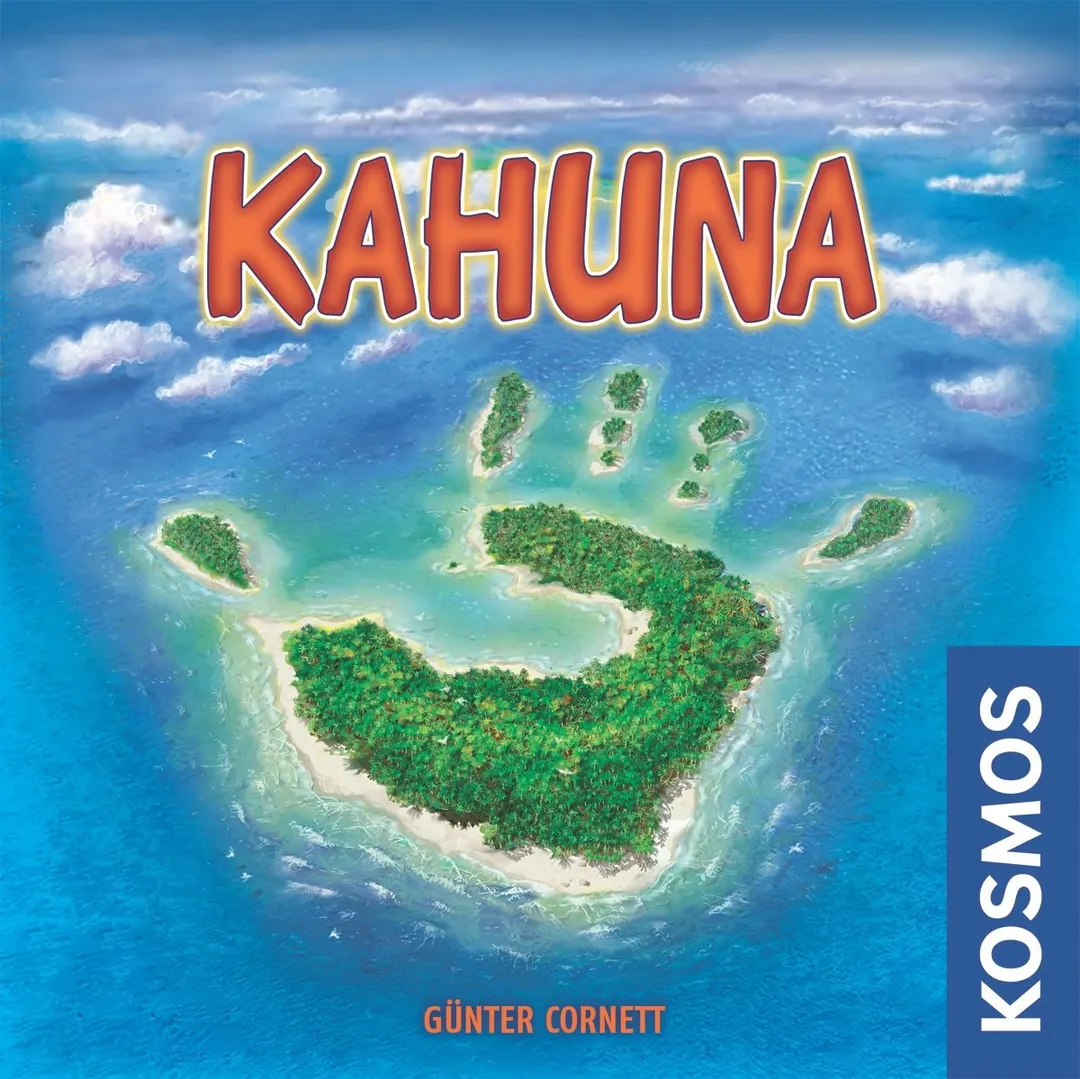
- Pozycja w BGG
- BGG #1659
- Ocena BGG
- 6,6
Kahuna
- 2 graczy
- 30–40 min
- Złożoność 2,1/5
- 1998
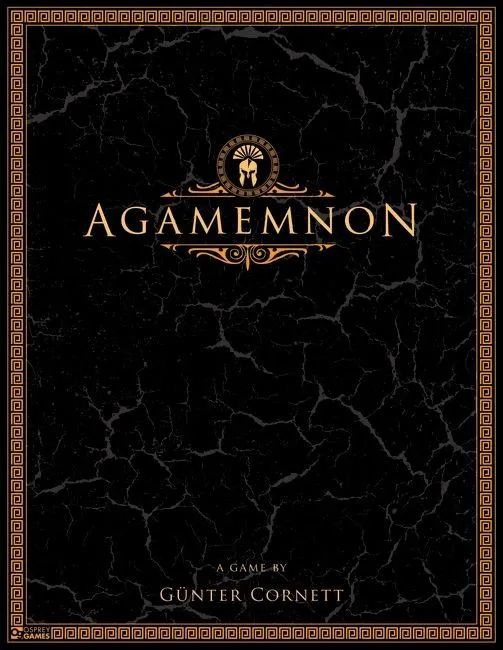
2016
Pomoc w zasadach gry Agamemnon
Zrozumiałe wyjaśnienia tur, efektów kart i spornych sytuacji z odnośnikami do oficjalnych źródeł i zapisaną historią pytań.
Dla 2 graczy
Co chcesz wiedzieć?
Odpowiedzi pochodzą z oficjalnej instrukcji, ze stroną do sprawdzenia.
Agamemnon to gra planszowa wydana w 2016 roku dla 2 graczy, z rozgrywką trwającą 20–30 minut i dla osób od 12 lat. Projekt gry: Günter Cornett. Główne mechaniki: Area Majority / Influence i Modular Board.


Po angielsku
None can defy the will of the gods but the gods themselves. Driven by the ambition of their king, the Greeks have arrived on the shores of Troy. Some seek power, some seek revenge, while still others seek the great moment in battle that will define their place in history. Agamemnon is a fast-paced strategy board game in which two players take on the roles of ancient Greek gods during the Trojan War. By tactically deploying warriors to where they're needed across the board, each player may influence the final outcome of the battles famously detailed in Homer's Iliad. Some areas will be decided by the strength of the warriors, others by sheer weight of numbers, and some by the inspiration your heroes provide. To begin the game, Strings of Fate tiles are placed on their matching spaces on the board, and each player receives one set of fifteen playing tiles. These tiles come in three varieties: Warriors, with a numerical value marking their strength, Leaders, with both a letter rank and a strength value, and Weavers who have no strength or rank, but instead manipulate the Strings of Fate. Each player will shuffle their tiles face down in front of them. The first player flips over one of their tiles, and places it on any available space. If it’s a Weaver, its effect immediately comes into play: the Warp Weaver may swap two adjacent Strings of Fate, whilst the Weft Weaver simply splits all strings it’s connected to. After the first turn, each player flips and plays two tiles on their turns. Once all the tiles have been placed, each string is resolved: each Strength String is won by the player with the highest combined strength contained within it; each Leadership String is won by the player with the single highest ranked tile within the string; and Force Strings are won by the player with the most tiles, including Weavers, in the string. Players claim all the tiles from Strings of Fate they have won, and the player with the most tiles at the end wins.
Według katalogu Agamemnon obsługuje 2 graczy. To liczba graczy podana przez wydawcę, więc gra jest zaprojektowana dokładnie dla takiej liczby uczestników. Warianty dla grup innej wielkości, jeśli w ogóle istnieją, opisano w instrukcji twojego wydania; sprawdź ją uważnie, zanim przygotujesz inną konfigurację stołu.
Podany czas rozgrywki w Agamemnon wynosi 20–30 minut. To szacunek wydawcy dla pełnej partii. Rzeczywisty czas zależy od grupy, liczby graczy i znajomości zasad: pierwsze partie zwykle trwają dłużej, a doświadczone grupy kończą szybciej. Przygotowanie gry i tłumaczenie zasad nie są wliczone w ten szacunek.
Katalog podaje dla Agamemnon wiek od 12 lat. To zalecenie wydawcy, które uwzględnia wymagania dotyczące czytania, złożoność zasad i drobne elementy, a nie tylko tematykę. Młodsi gracze często mogą dołączyć z pomocą dorosłego; sprawdź zalecenie wiekowe swojego wydania i weź pod uwagę doświadczenie grupy z grami planszowymi.
Agamemnon ma ocenę złożoności 2,2 na 5 według graczy BoardGameGeek, co czyni ją grą raczej lekką. Ocena pokazuje, ile znajomości zasad, planowania i podejmowania decyzji wymaga typowa rozgrywka. Cięższe gry wymagają dłuższego pierwszego tłumaczenia, dlatego przed wieczorem z grami warto skorzystać z przewodnika przygotowania.
Agamemnon należy do tych kategorii: Abstract Strategy i Ancient. Główne mechaniki to Area Majority / Influence i Modular Board. Kategorie opisują temat i świat gry, a mechaniki to, co gracze faktycznie robią w swojej turze. Każda mechanika prowadzi do strony katalogu z podobnymi grami, co pomaga znaleźć coś porównywalnego na kolejny wieczór.
Autorzy wymienieni przy Agamemnon to: Günter Cornett. Te informacje pochodzą z opublikowanych danych gry i wskazują osoby odpowiedzialne za jej projekt, a nie ilustratorów czy wydawców. Strony autorów w MeepleRules zbierają inne tytuły tych samych twórców, co pomaga, gdy gra ci się podoba i szukasz podobnych.
W katalogu Agamemnon figuruje jako gra podstawowa. Można w nią grać samodzielnie, korzystając z elementów z pudełka, bez żadnego innego tytułu. Dodatki, jeśli istnieją, dokładają nową zawartość lub zasady i są wymienione w katalogu osobno, z odnośnikiem do tej gry podstawowej.