
- Pozycja w BGG
- BGG #2211
- Ocena BGG
- 7,7
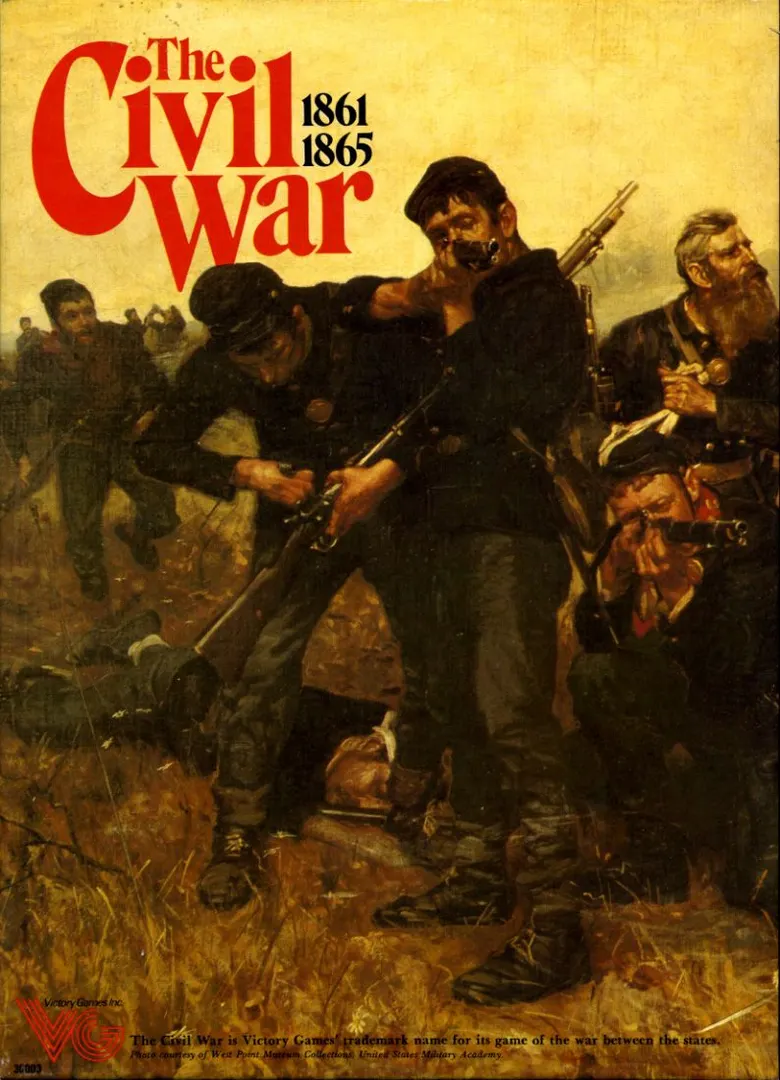
The Civil War 1861-1865
- 1–2 graczy
- 120–1200 min
- Złożoność 3,8/5
- 1983

2025
Pomoc w zasadach gry All Are Brothers: Solferino, 1859
Zrozumiałe wyjaśnienia tur, efektów kart i spornych sytuacji z odnośnikami do oficjalnych źródeł i zapisaną historią pytań.
Co chcesz wiedzieć?
Odpowiedzi pochodzą z oficjalnej instrukcji, ze stroną do sprawdzenia.
All Are Brothers: Solferino, 1859 to gra planszowa wydana w 2025 roku dla 1–4 graczy i z rozgrywką trwającą 90–300 minut. Projekt gry: Bryan Armor (II). Główne mechaniki: Dice Rolling, Hexagon Grid i Simulation.




Po angielsku
All Are Brothers: Solferino, 1859 simulates the decisive battle of the Second Italian War of Independence at the Brigade-level, with some additional Regimental-size and smaller detachments included. National and corps-level leaders are represented, on a map at 500 meters per hex, with 1-hour turns. Five scenarios are included: three that separately cover the north, central, and southern sectors of the battle, as well as a combined full battle scenario, along with a small introductory scneario. The combined scenario is suitable for up to four players (France, Sardinia-Piedmont, Austrian 1st Army, and Austrian 2nd Army). The battle itself was a grinding slugfest often described as a "soldier's battle" - a deliberate slight to the often uninspired leadership of the generals and a tribute to an allied victory gained only at the tip of the bayonet. Villagers in the surrounding region would do their best in the days after to treat the myriad wounded, and answer as to why Austrians, Hungarians, Czechs, Serbs, and Slovaks were treated as well as the Italians: "Tutti fratelli" (All are brothers). The battle pits two Austrian armies against the combined forces of France and Sardinia-Piedmont, and features the full panoply of colorful period units - Jagers and Grenzers, massed cavalry divisions of all types, Bersaglieri, French Imperial Guard, and the French African Zouaves and Turcos. Advances in infantry and artillery firepower would soon make the tactics of the time obsolete, and the carnage at Solferino reflected the start of this paradigm shift, soon to be highlighted bloodily by the Austro-Prussian and Franco-Prussian wars. This treatment of Solferino features an adaptation of Hermann Luttmann’s Blind Swords system (At Any Cost, Hammerin' Sickles, Stonewall's Sword) as the core ruleset. The system is heavy on unpredictability and fog of war due to the chit pull mechanic. The chit pull mechanic also very much aids in solitaire play, as does variable activation rules and reinforcement tables. A number of other features help make face-to-face play attractive, including a number of scenario variants and optional rules, a free-setup full battle scenario, and the move-and-countermove of event chit play. Nation-specific event chits also inject some period flavor.
Według katalogu All Are Brothers: Solferino, 1859 obsługuje od 1 do 4 graczy. Ten zakres odpowiada liczbie graczy podanej przez wydawcę, więc grę można przygotować dla dowolnej grupy w jego granicach. Przygotowanie, niektóre zasady i punktacja mogą jednak różnić się w zależności od liczby graczy; dokładną konfigurację sprawdź w instrukcji swojego wydania.
Podany czas rozgrywki w All Are Brothers: Solferino, 1859 wynosi 90–300 minut. To szacunek wydawcy dla pełnej partii. Rzeczywisty czas zależy od grupy, liczby graczy i znajomości zasad: pierwsze partie zwykle trwają dłużej, a doświadczone grupy kończą szybciej. Przygotowanie gry i tłumaczenie zasad nie są wliczone w ten szacunek.
All Are Brothers: Solferino, 1859 ma ocenę złożoności 2,4 na 5 według graczy BoardGameGeek, co czyni ją grą raczej lekką. Ocena pokazuje, ile znajomości zasad, planowania i podejmowania decyzji wymaga typowa rozgrywka. Cięższe gry wymagają dłuższego pierwszego tłumaczenia, dlatego przed wieczorem z grami warto skorzystać z przewodnika przygotowania.
All Are Brothers: Solferino, 1859 należy do tych kategorii: Wargame i Post-Napoleonic. Główne mechaniki to Dice Rolling, Hexagon Grid i Simulation. Kategorie opisują temat i świat gry, a mechaniki to, co gracze faktycznie robią w swojej turze. Każda mechanika prowadzi do strony katalogu z podobnymi grami, co pomaga znaleźć coś porównywalnego na kolejny wieczór.
Autorzy wymienieni przy All Are Brothers: Solferino, 1859 to: Bryan Armor (II). Te informacje pochodzą z opublikowanych danych gry i wskazują osoby odpowiedzialne za jej projekt, a nie ilustratorów czy wydawców. Strony autorów w MeepleRules zbierają inne tytuły tych samych twórców, co pomaga, gdy gra ci się podoba i szukasz podobnych.
W katalogu All Are Brothers: Solferino, 1859 figuruje jako gra podstawowa. Można w nią grać samodzielnie, korzystając z elementów z pudełka, bez żadnego innego tytułu. Dodatki, jeśli istnieją, dokładają nową zawartość lub zasady i są wymienione w katalogu osobno, z odnośnikiem do tej gry podstawowej.