
- Pozycja w BGG
- BGG #13 575
- Ocena BGG
- 8,1
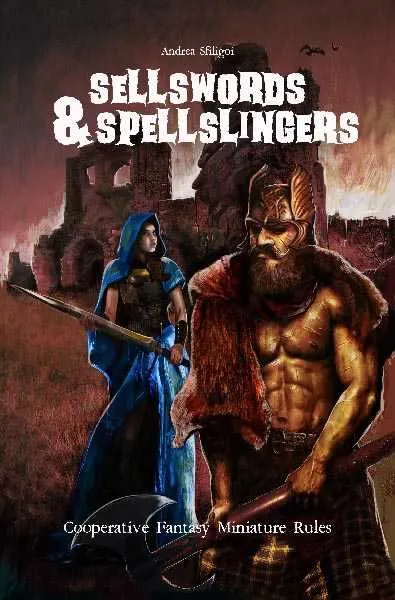
Sellswords & Spellslingers
- 1–6 graczy
- 30–120 min
- Złożoność 2,0/5
- 2018
2026
Pomoc w zasadach gry Alone against the Zone
Zrozumiałe wyjaśnienia tur, efektów kart i spornych sytuacji z odnośnikami do oficjalnych źródeł i zapisaną historią pytań.
Dla 1 gracza
Co chcesz wiedzieć?
Odpowiedzi pochodzą z oficjalnej instrukcji, ze stroną do sprawdzenia.
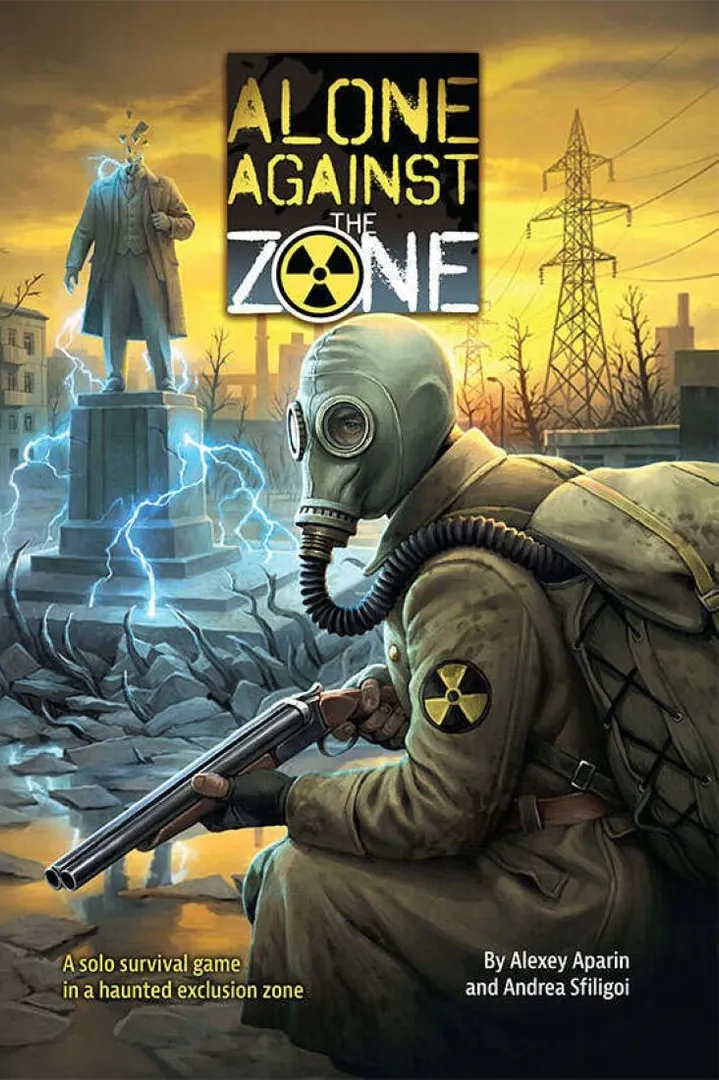
Alone against the Zone to gra planszowa wydana w 2026 roku dla 1 gracza. Projekt gry: Andrea Sfiligoi i Alex Aparin. Główne mechaniki: Dice Rolling, Paper-and-Pencil i Role Playing.
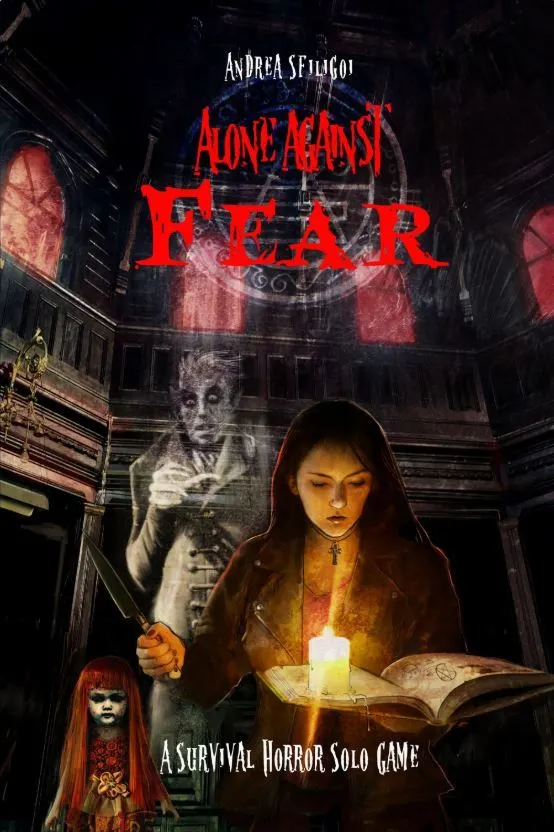
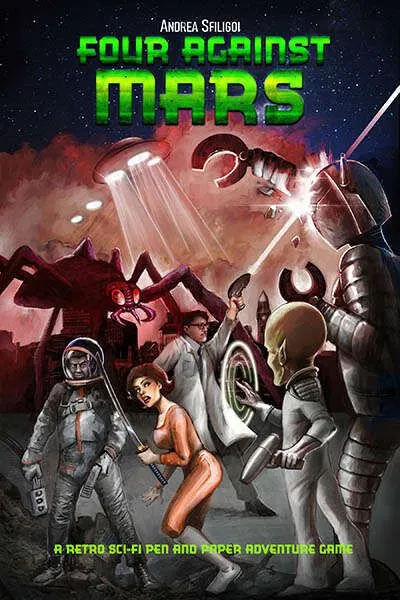
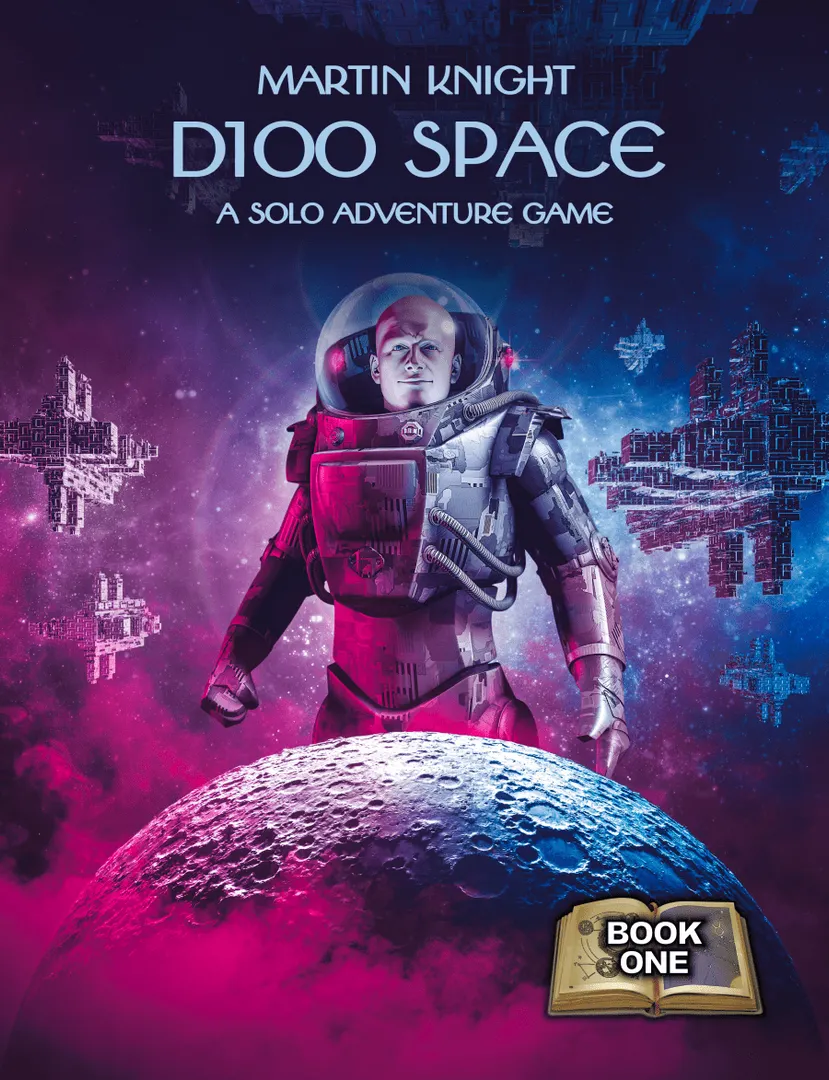
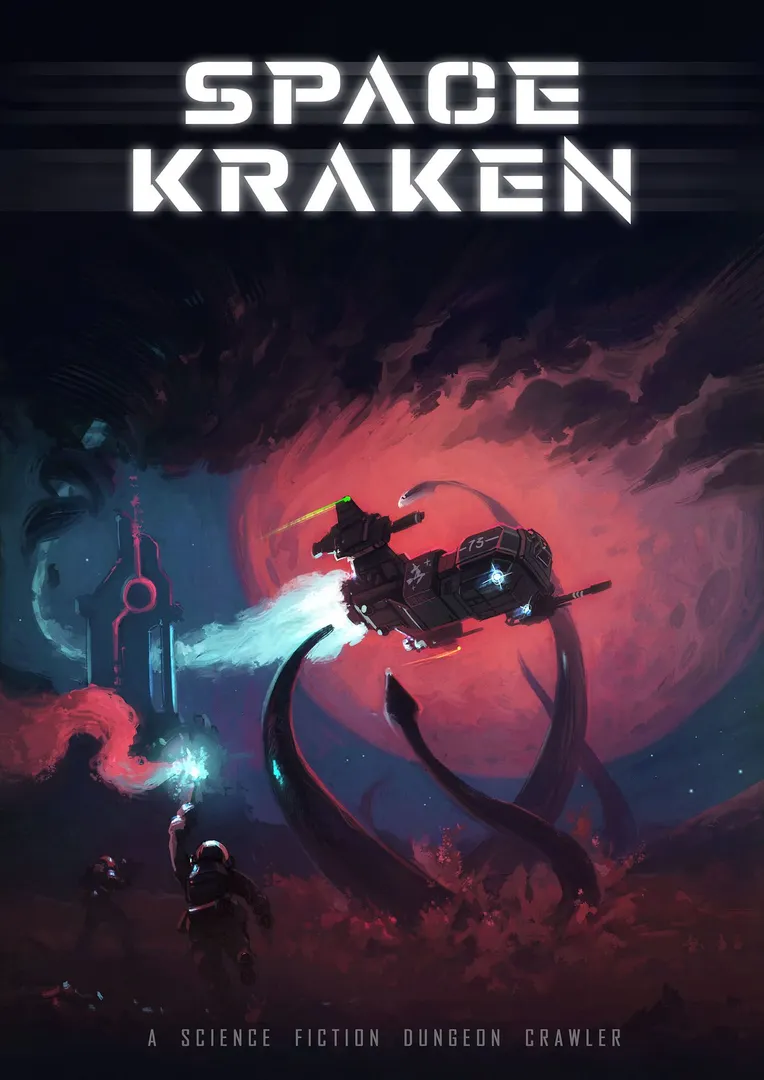
Po angielsku
Alone Against the Zone is a solo narrative survival game set in a mysterious and hostile exclusion zone inspired by Eastern European post-disaster landscapes. Blending horror, exploration, and resource management, the game casts the player as a lone stalker venturing into a dangerous territory filled with anomalies, abandoned facilities, and hidden threats. Designed as a sandbox hexcrawl adventure, Alone Against the Zone emphasizes freeform exploration over linear storytelling. The Zone is generated and explored hex by hex, with each location presenting unique dangers, discoveries, and opportunities. Rather than following a branching narrative, players create their own stories through emergent gameplay, shaped by risk-taking, preparation, and chance. Gameplay centers on survival and decision-making: managing health, equipment, and scarce resources while navigating hazardous environments and resolving encounters. Each expedition is unpredictable, driven by random events and discoveries that can quickly shift the situation from manageable to deadly. A distinctive feature of the game is its legacy-style continuity. When a character dies—as they often will—the game does not end. Instead, players may continue exploring the same map with a new stalker, inheriting part of the previous character’s equipment or discoveries. This creates a persistent sense of progression and an evolving relationship with the Zone itself. Atmospheric and unforgiving, Alone Against the Zone focuses on isolation, tension, and emergent storytelling. There are no companions—only the player, their decisions, and the ever-dangerous Zone. Key Features: Solo sandbox hexcrawl exploration Persistent game world with character succession mechanics Emergent narrative shaped by player decisions and random events Resource management and high-risk survival gameplay Strong thematic focus on isolation, danger, and discovery How long can you survive—and what will you leave behind for those who follow? —description from the publisher
Według katalogu Alone against the Zone obsługuje 1 gracza. To liczba graczy podana przez wydawcę, więc gra jest zaprojektowana dokładnie dla takiej liczby uczestników. Warianty dla grup innej wielkości, jeśli w ogóle istnieją, opisano w instrukcji twojego wydania; sprawdź ją uważnie, zanim przygotujesz inną konfigurację stołu.
Alone against the Zone ma ocenę złożoności 3,0 na 5 według graczy BoardGameGeek, co czyni ją grą średnio złożoną. Ocena pokazuje, ile znajomości zasad, planowania i podejmowania decyzji wymaga typowa rozgrywka. Cięższe gry wymagają dłuższego pierwszego tłumaczenia, dlatego przed wieczorem z grami warto skorzystać z przewodnika przygotowania.
Alone against the Zone należy do tych kategorii: Wargame, Adventure i Miniatures. Główne mechaniki to Dice Rolling, Paper-and-Pencil i Role Playing. Kategorie opisują temat i świat gry, a mechaniki to, co gracze faktycznie robią w swojej turze. Każda mechanika prowadzi do strony katalogu z podobnymi grami, co pomaga znaleźć coś porównywalnego na kolejny wieczór.
Autorzy wymienieni przy Alone against the Zone to: Andrea Sfiligoi i Alex Aparin. Te informacje pochodzą z opublikowanych danych gry i wskazują osoby odpowiedzialne za jej projekt, a nie ilustratorów czy wydawców. Strony autorów w MeepleRules zbierają inne tytuły tych samych twórców, co pomaga, gdy gra ci się podoba i szukasz podobnych.
W katalogu Alone against the Zone figuruje jako gra podstawowa. Można w nią grać samodzielnie, korzystając z elementów z pudełka, bez żadnego innego tytułu. Dodatki, jeśli istnieją, dokładają nową zawartość lub zasady i są wymienione w katalogu osobno, z odnośnikiem do tej gry podstawowej.