Backgammon: Zombie Rush
- 2 graczy
- 20 min
- 2012
Pomoc w zasadach gry Backgammon
Zrozumiałe wyjaśnienia tur, efektów kart i spornych sytuacji z odnośnikami do oficjalnych źródeł i zapisaną historią pytań.
Dla 2 graczy
Co chcesz wiedzieć?
Odpowiedzi pochodzą z oficjalnej instrukcji, ze stroną do sprawdzenia.
Backgammon to gra planszowa dla 2 graczy, z rozgrywką trwającą 30 minut i dla osób od 8 lat. Główne mechaniki: Race, Roll / Spin and Move i Lose a Turn.



Po angielsku
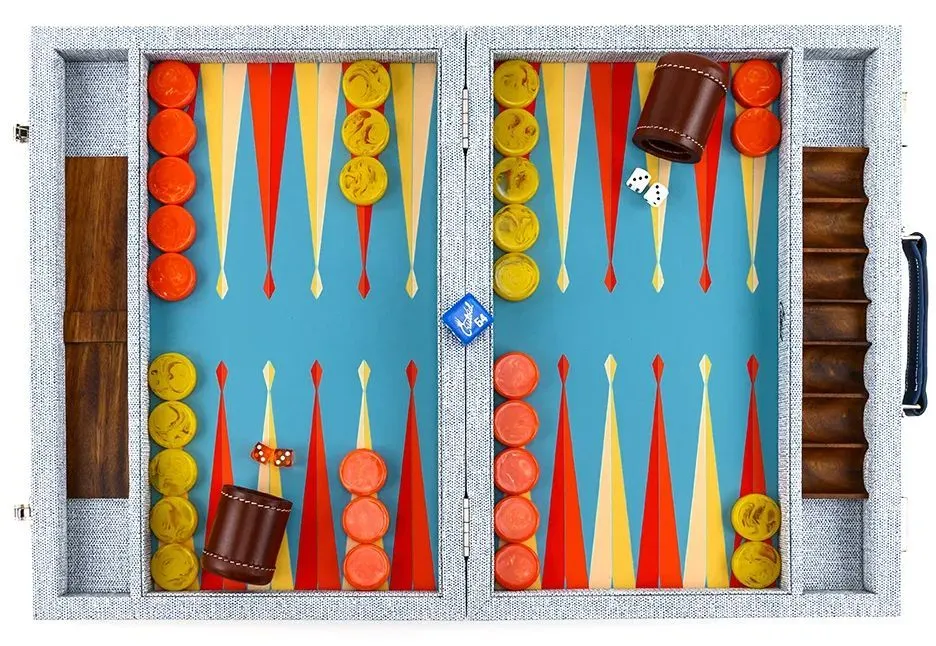
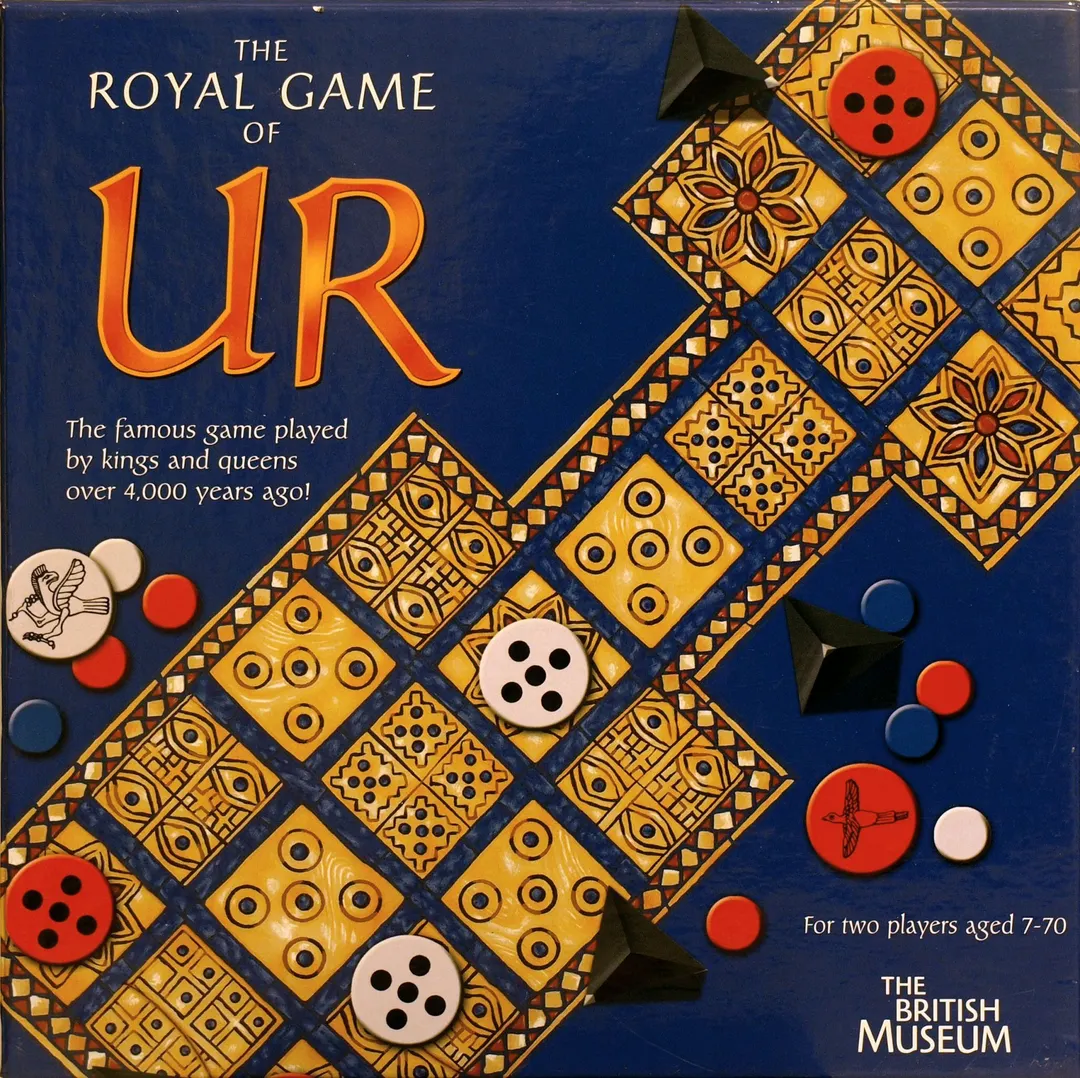
Backgammon is a classic abstract strategy game dating back hundreds of years. Each player has a set of 15 checkers (or stones) that must be moved from their starting positions, around, and then off the board. Dice are thrown each turn, and each player must decide which of their checkers to move based on the outcome of the roll. Players can capture each other's checkers, forcing the captured checkers to restart their journey around the board. The winner is the first player to get all 15 checkers off the board. A more recent addition to the game is the "doubling cube", which allows players to up the stakes of the game. Although the game relies on dice to determine movement, there is a large degree of strategy in deciding how to make the most effective moves given each dice roll and measuring the risk in terms of possible rolls the opponent may get. An ancestor of Backgammon may be the first game to be mentioned in written history, going back 5,000 years to the Sumerians of ancient Mesopotamia. During the 1920s, archaeologists unearthed five boards of The Royal Game of Ur from a cemetery in the ancient town of Ur. At another location, pieces and dice were also found along with the board. Boards from ancient Egypt, apparently of other related games, have also been recovered from the tomb of Tutankhamun, including a mechanical dice box, no doubt intended to stop cheaters. The ancestors of the game were many. In Persia, Takhteh Nard which means "Battle on Wood". In Egypt, Tau, which may be the ancestor of Senat. In Rome, Ludus Duodecim Scriptorum ("game of twelve marks"), later, Tabula ("table"), and by the sixth century, Alea ("dice"). In ancient China, T-shu-p-u and later in Japan, Sugoroko. The English name may derive from "Bac gamen" meaning "Back Game", referring to re-entry of taken stones back to the board. It was often enjoyed by the upper classes and is sometimes called "The Aristocratic Game". The Roman Emperor Claudius was known to be such a fan of Tabula that he had a set built into his coach so he could play as he traveled (the world's first travel edition?). The rules in English were standardized in 1743 by Edmond Hoyle. These remained popular until the American innovations of the 1930s.
Według katalogu Backgammon obsługuje 2 graczy. To liczba graczy podana przez wydawcę, więc gra jest zaprojektowana dokładnie dla takiej liczby uczestników. Warianty dla grup innej wielkości, jeśli w ogóle istnieją, opisano w instrukcji twojego wydania; sprawdź ją uważnie, zanim przygotujesz inną konfigurację stołu.
Podany czas rozgrywki w Backgammon wynosi 30 minut. To szacunek wydawcy dla pełnej partii. Rzeczywisty czas zależy od grupy, liczby graczy i znajomości zasad: pierwsze partie zwykle trwają dłużej, a doświadczone grupy kończą szybciej. Przygotowanie gry i tłumaczenie zasad nie są wliczone w ten szacunek.
Katalog podaje dla Backgammon wiek od 8 lat. To zalecenie wydawcy, które uwzględnia wymagania dotyczące czytania, złożoność zasad i drobne elementy, a nie tylko tematykę. Młodsi gracze często mogą dołączyć z pomocą dorosłego; sprawdź zalecenie wiekowe swojego wydania i weź pod uwagę doświadczenie grupy z grami planszowymi.
Backgammon ma ocenę złożoności 2,0 na 5 według graczy BoardGameGeek, co czyni ją grą raczej lekką. Ocena pokazuje, ile znajomości zasad, planowania i podejmowania decyzji wymaga typowa rozgrywka. Cięższe gry wymagają dłuższego pierwszego tłumaczenia, dlatego przed wieczorem z grami warto skorzystać z przewodnika przygotowania.
Backgammon należy do tych kategorii: Dice i Abstract Strategy. Główne mechaniki to Race, Roll / Spin and Move i Lose a Turn. Kategorie opisują temat i świat gry, a mechaniki to, co gracze faktycznie robią w swojej turze. Każda mechanika prowadzi do strony katalogu z podobnymi grami, co pomaga znaleźć coś porównywalnego na kolejny wieczór.
W katalogu Backgammon figuruje jako gra podstawowa. Można w nią grać samodzielnie, korzystając z elementów z pudełka, bez żadnego innego tytułu. Dodatki, jeśli istnieją, dokładają nową zawartość lub zasady i są wymienione w katalogu osobno, z odnośnikiem do tej gry podstawowej.