
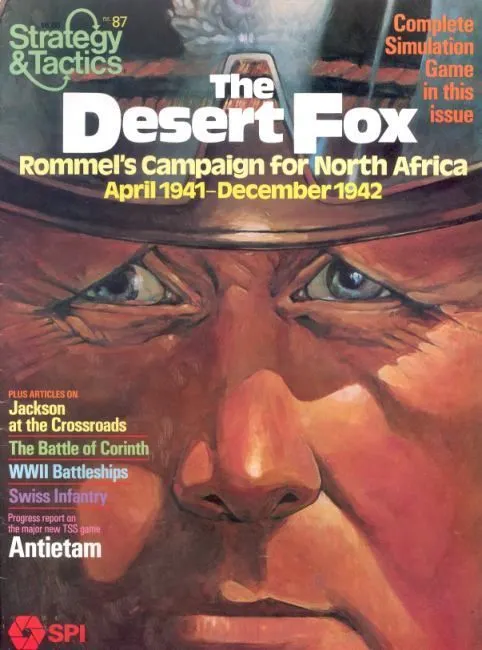
- Pozycja w BGG
- BGG #8022
- Ocena BGG
- 7,2
The Desert Fox: Rommel's Campaign for North Africa April 1941-December 1942
- 2 graczy
- 120–1 min
- Złożoność 3,2/5
- 1981
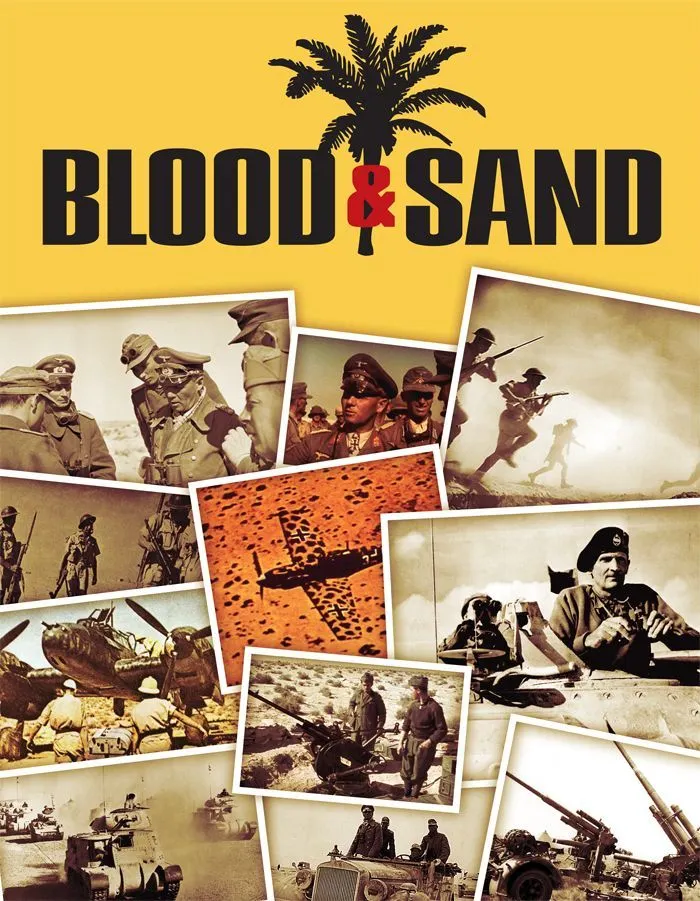
2012
Pomoc w zasadach gry Blood & Sand
Zrozumiałe wyjaśnienia tur, efektów kart i spornych sytuacji z odnośnikami do oficjalnych źródeł i zapisaną historią pytań.
Dla 2 graczy
Co chcesz wiedzieć?
Odpowiedzi pochodzą z oficjalnej instrukcji, ze stroną do sprawdzenia.
Blood & Sand to gra planszowa wydana w 2012 roku dla 2 graczy, z rozgrywką trwającą 120–300 minut i dla osób od 12 lat. Projekt gry: Richard H. Berg. Główne mechaniki: Dice Rolling, Hexagon Grid i Simulation.
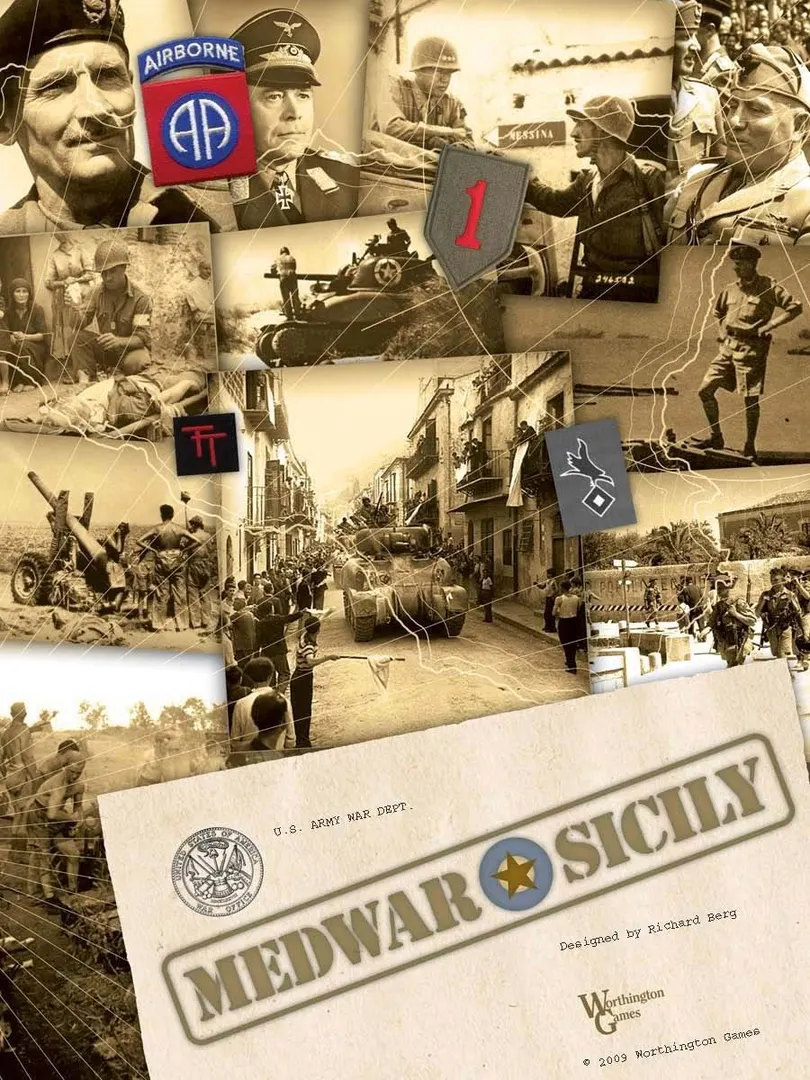
Po angielsku
The Campaign for North Africa, 1941-42 What, another North Africa game? Yes but here is something almost completely different from any WWII Campaign game you've seen: no CRT (or any other tables), buckets o' dice, and cards all used in a totally new approach to gaming that can be learned in 5 minutes and played in a few hours. Most of the rules and mechanics for Blood & Sand will be familiar to anyone who has ever played a wargame. However, Designer Richard Berg, no stranger to this campaign, has added to this accessible simplicity a combat system that rates units for how many dice they get to roll on their behalf, as well as what kind of dice (small arms or Heavy Weapons). No CRTs, no sirree! The game also uses cards, one deck (of 27) for each player (whose cards are somewhat different from those of the other player) to enhance the game. (The cards don't "drive" the game and they can be left out, if you're so inclined.) The cards are part of a Resource system that gives the players a number of points which they can use to buy cards, rally units, build fortifications, or bring in Reinforcements. The RP choices are theirs, but there are far more choices than points. The cards, themselves, give the players "Opportunities", from using their (or negating their opponent's) tank capabilities, to getting more supplies, to special Breakthrough and Reaction movement, to forcing the Allies to Withdraw units, to the effects of Rommel and other leaders. What the Players are Saying: Here are some the reactions from the Blood & Sand play testers and rules readers: "Very simple and very easy. No one should have a problem with the rules." Adam Freitag "I would hope to use it as an introductory wargame, but I am optimistic that it would be sufficiently interesting to keep experienced wargames happy as well." Paul Marjoram "This looks like a fun game The added tension of the need to balance the use of RPs [Resource Points] for units, forts and cards is appealing - a good abstraction of the logistics concerns of the campaign." Edmund Hack "Using cards in this manner may make for some very agonizing decisions - a good thing in a game. I also think the combat system is clean and simple, yet effective." Jeff Paul The rules for Blood & Sand are only 8 pages, including rules for playing Solitaire, covering four scenarios, ranging in size (the two maps are used only in the full campaign game) and playing time Playing time for the Basic Game has averaged about 3 hours. 176 counters including the blanks).
Według katalogu Blood & Sand obsługuje 2 graczy. To liczba graczy podana przez wydawcę, więc gra jest zaprojektowana dokładnie dla takiej liczby uczestników. Warianty dla grup innej wielkości, jeśli w ogóle istnieją, opisano w instrukcji twojego wydania; sprawdź ją uważnie, zanim przygotujesz inną konfigurację stołu.
Podany czas rozgrywki w Blood & Sand wynosi 120–300 minut. To szacunek wydawcy dla pełnej partii. Rzeczywisty czas zależy od grupy, liczby graczy i znajomości zasad: pierwsze partie zwykle trwają dłużej, a doświadczone grupy kończą szybciej. Przygotowanie gry i tłumaczenie zasad nie są wliczone w ten szacunek.
Katalog podaje dla Blood & Sand wiek od 12 lat. To zalecenie wydawcy, które uwzględnia wymagania dotyczące czytania, złożoność zasad i drobne elementy, a nie tylko tematykę. Młodsi gracze często mogą dołączyć z pomocą dorosłego; sprawdź zalecenie wiekowe swojego wydania i weź pod uwagę doświadczenie grupy z grami planszowymi.
Blood & Sand ma ocenę złożoności 2,0 na 5 według graczy BoardGameGeek, co czyni ją grą raczej lekką. Ocena pokazuje, ile znajomości zasad, planowania i podejmowania decyzji wymaga typowa rozgrywka. Cięższe gry wymagają dłuższego pierwszego tłumaczenia, dlatego przed wieczorem z grami warto skorzystać z przewodnika przygotowania.
Blood & Sand należy do tych kategorii: Wargame i World War II. Główne mechaniki to Dice Rolling, Hexagon Grid i Simulation. Kategorie opisują temat i świat gry, a mechaniki to, co gracze faktycznie robią w swojej turze. Każda mechanika prowadzi do strony katalogu z podobnymi grami, co pomaga znaleźć coś porównywalnego na kolejny wieczór.
Autorzy wymienieni przy Blood & Sand to: Richard H. Berg. Te informacje pochodzą z opublikowanych danych gry i wskazują osoby odpowiedzialne za jej projekt, a nie ilustratorów czy wydawców. Strony autorów w MeepleRules zbierają inne tytuły tych samych twórców, co pomaga, gdy gra ci się podoba i szukasz podobnych.
W katalogu Blood & Sand figuruje jako gra podstawowa. Można w nią grać samodzielnie, korzystając z elementów z pudełka, bez żadnego innego tytułu. Dodatki, jeśli istnieją, dokładają nową zawartość lub zasady i są wymienione w katalogu osobno, z odnośnikiem do tej gry podstawowej.