
- Pozycja w BGG
- BGG #6879
- Ocena BGG
- 7,5
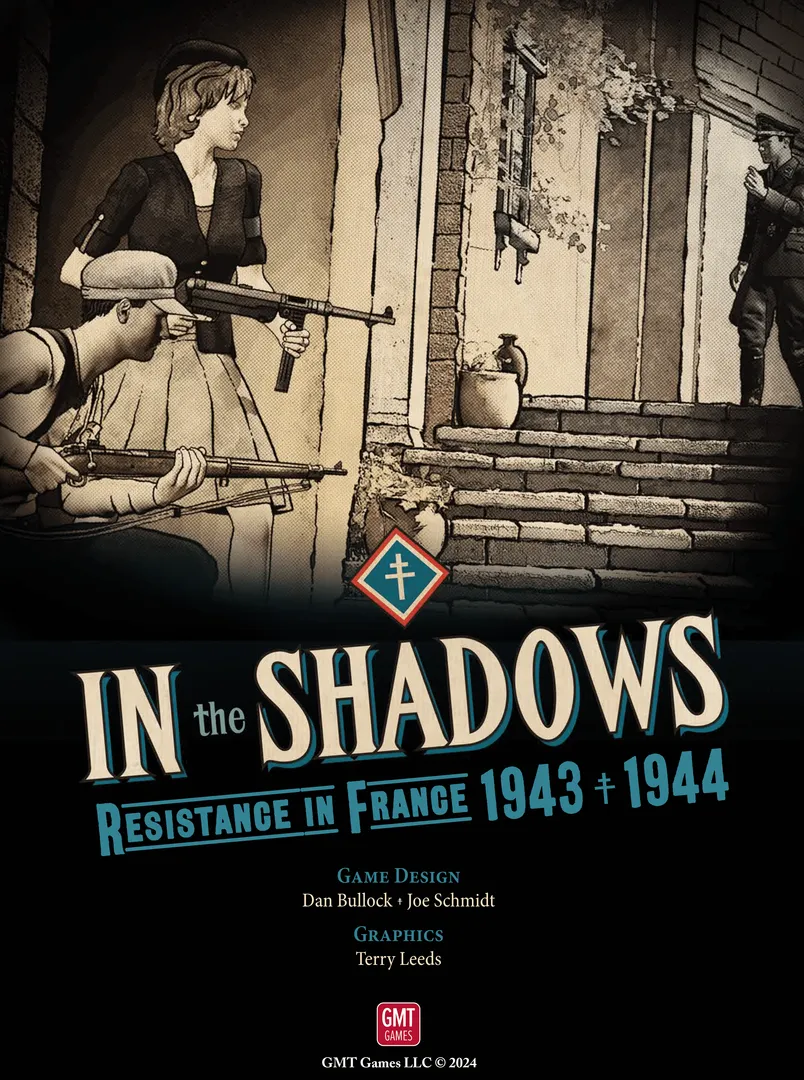
In the Shadows: Resistance in France 1943 - 1944
- 1–2 graczy
- 30–45 min
- Złożoność 2,1/5
- 2025
2019
Pomoc w zasadach gry Blue Water Navy: The War at Sea
Zrozumiałe wyjaśnienia tur, efektów kart i spornych sytuacji z odnośnikami do oficjalnych źródeł i zapisaną historią pytań.
Dla 2 graczy
Co chcesz wiedzieć?
Odpowiedzi pochodzą z oficjalnej instrukcji, ze stroną do sprawdzenia.
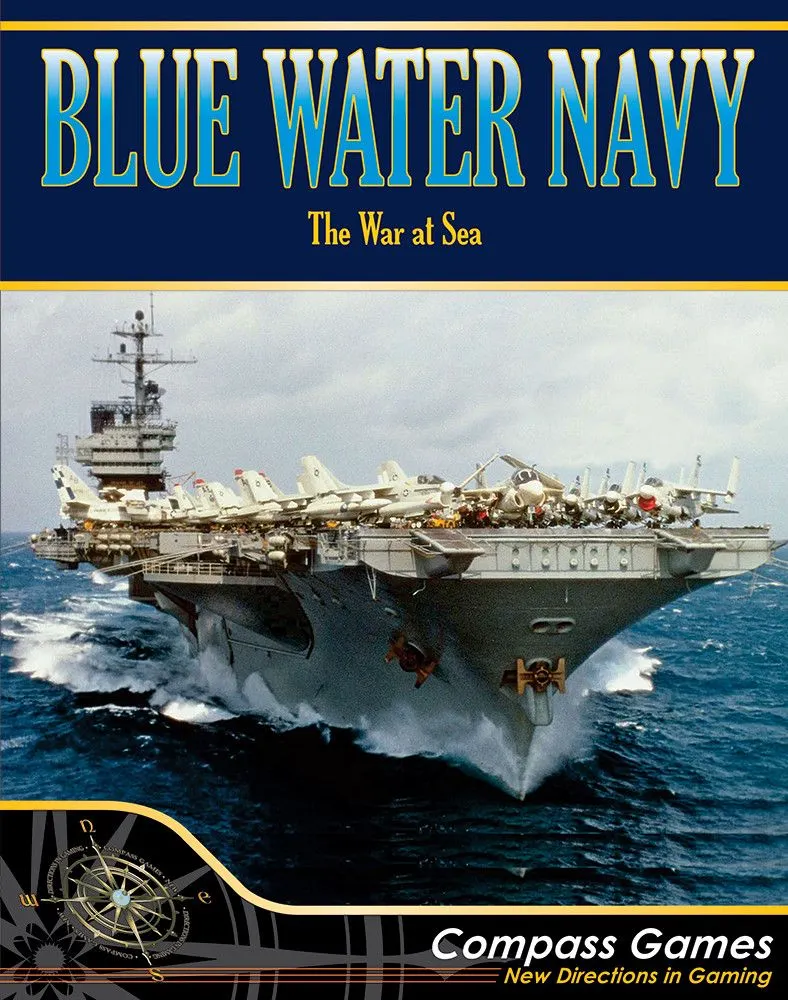
Blue Water Navy: The War at Sea to gra planszowa wydana w 2019 roku dla 2 graczy i z rozgrywką trwającą 60–960 minut. Projekt gry: Stuart Tonge. Główne mechaniki: Area Movement, Dice Rolling i Secret Unit Deployment.




Po angielsku
June 15th 1983: NATO fights the fight it was created for and the fate of the Free World hangs in the balance! Will the Blue Water Navy deliver the convoys desperately needed in Europe or will the Red Banner Northern Fleet smash them at sea, allowing the Red army to steamroller Western Europe? Blue Water Navy covers the war at sea, air, close-ashore and low-earth orbit from the Kola Peninsula in Northern Russia to the Mediterranean Sea and West over the Atlantic Ocean to the United States and Cuba. The game models the full order of battle that could be expected in 1980’s wartime, from multi-regiment Soviet Tu-22 Backfire bombers to multiple US carrier groups. The game is card driven, with each card providing points to move units or trigger special events such as ‘KGB Assassinations’ and ‘Space Shuttle’. There is also a reaction mechanic where most cards can be used in the other player’s turn to perform a spoiling event such as ‘Raid Aborts’ and ‘Friendly Fire’. The heart of the game is detection. Task Forces can only be attacked once detected. By contrast, land air-bases can always be attacked – their enemy knows where they are. The race to detect opposing Task Forces begins as soon as they enter potential striking range of units such as the formidable Soviet bomber formations, or perhaps the Soviet’s submarine fleet which, whilst it has considerable strength, cannot effectively detect enemy forces without help from its comrades. NATO must not only deliver convoys, but also protect its allies! Norway will be hard pressed, as will Denmark. Both will require urgent reinforcement. In the Mediterranean Sea, Soviet forces must be halted by naval aviation strikes. In the deeper seas, NATO may enact it’s promised attack on the Soviet nuclear deterrent and the Soviets may attempt to respond. Perhaps the Typhoon SSBNs will flee under the Arctic ice to await doomsday, or hole-up in the White Sea. Perhaps the Soviets will use nuclear weapons and scatter those NATO forces that are no-doubt determined to bomb the Soviet’s Kola Peninsula bases. The game models Politburo approval (Soviet leadership) through a stability mechanism, and whether the Soviets feel they can reduce New York to cinders through the use of ‘First Strike Points’ – these allow the use of things like chemical or nuclear weapons. The game has spies, technological theft, satellites, B-52’s, special forces and Soviet spy trawlers.. Complexity: 6 out of 10 (medium) Solitaire suitability: 6 out of 10 (medium) Time Scale: Each turn = 1 day Map Scale: Each area represents 500 nautical miles square Unit Scale: Each counter represents 10 ships, 3 submarines, one squadron or regiment Number of Players: 2 Playing Time: 1-3 hours for scenarios and 8-16 hours per campaign game Components: 2 map 4 countersheets: counters are a mix of 1 inch, 5/8″ and ½” markers 2 decks of 55 playing cards 6 double-sided player aids 2 single-sided player aids 1 rules and scenario booklet 10 ten-sided dice 1 box and lid set (from publisher's website) The errata file, which is updated as we find them is here https://boardgamegeek.com/thread/2264466/errata-thread Vassal Module is available here http://www.vassalengine.org/wiki/Module:Blue_Water_Navy
Według katalogu Blue Water Navy: The War at Sea obsługuje 2 graczy. To liczba graczy podana przez wydawcę, więc gra jest zaprojektowana dokładnie dla takiej liczby uczestników. Warianty dla grup innej wielkości, jeśli w ogóle istnieją, opisano w instrukcji twojego wydania; sprawdź ją uważnie, zanim przygotujesz inną konfigurację stołu.
Podany czas rozgrywki w Blue Water Navy: The War at Sea wynosi 60–960 minut. To szacunek wydawcy dla pełnej partii. Rzeczywisty czas zależy od grupy, liczby graczy i znajomości zasad: pierwsze partie zwykle trwają dłużej, a doświadczone grupy kończą szybciej. Przygotowanie gry i tłumaczenie zasad nie są wliczone w ten szacunek.
Blue Water Navy: The War at Sea ma ocenę złożoności 4,3 na 5 według graczy BoardGameGeek, co czyni ją grą ciężką. Ocena pokazuje, ile znajomości zasad, planowania i podejmowania decyzji wymaga typowa rozgrywka. Cięższe gry wymagają dłuższego pierwszego tłumaczenia, dlatego przed wieczorem z grami warto skorzystać z przewodnika przygotowania.
Blue Water Navy: The War at Sea należy do tych kategorii: Wargame, Nautical i Modern Warfare. Główne mechaniki to Area Movement, Dice Rolling i Secret Unit Deployment. Kategorie opisują temat i świat gry, a mechaniki to, co gracze faktycznie robią w swojej turze. Każda mechanika prowadzi do strony katalogu z podobnymi grami, co pomaga znaleźć coś porównywalnego na kolejny wieczór.
Autorzy wymienieni przy Blue Water Navy: The War at Sea to: Stuart Tonge. Te informacje pochodzą z opublikowanych danych gry i wskazują osoby odpowiedzialne za jej projekt, a nie ilustratorów czy wydawców. Strony autorów w MeepleRules zbierają inne tytuły tych samych twórców, co pomaga, gdy gra ci się podoba i szukasz podobnych.
W katalogu Blue Water Navy: The War at Sea figuruje jako gra podstawowa. Można w nią grać samodzielnie, korzystając z elementów z pudełka, bez żadnego innego tytułu. Dodatki, jeśli istnieją, dokładają nową zawartość lub zasady i są wymienione w katalogu osobno, z odnośnikiem do tej gry podstawowej.