
- Ocena BGG
- 7,7
Breaking the Chains: Supplements
- 1–2 graczy
- 2014
2014
Pomoc w zasadach gry Breaking the Chains: War in the South China Sea
Zrozumiałe wyjaśnienia tur, efektów kart i spornych sytuacji z odnośnikami do oficjalnych źródeł i zapisaną historią pytań.
Dla 1 gracza
Co chcesz wiedzieć?
Odpowiedzi pochodzą z oficjalnej instrukcji, ze stroną do sprawdzenia.
Breaking the Chains: War in the South China Sea to gra planszowa wydana w 2014 roku dla 1–10 graczy i z rozgrywką trwającą 120–1200 minut. Projekt gry: John Gorkowski. Główne mechaniki: Cooperative Game, Hexagon Grid i Simulation.


Po angielsku
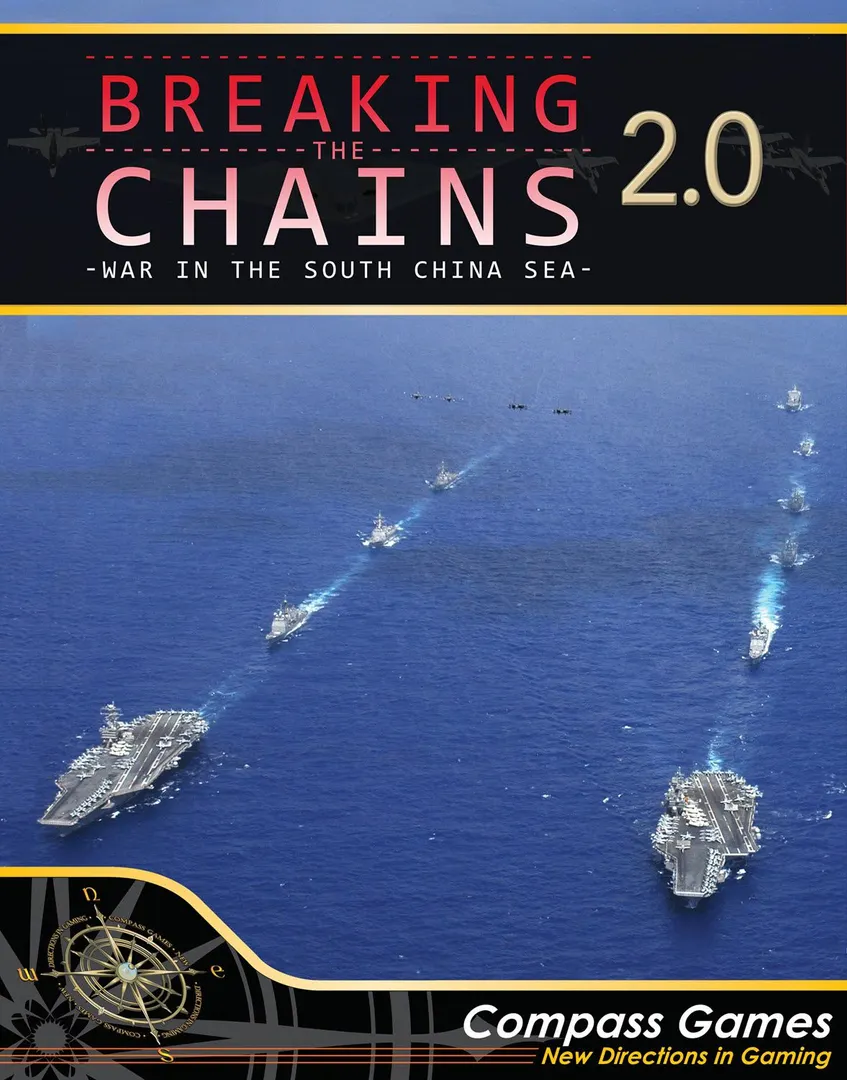
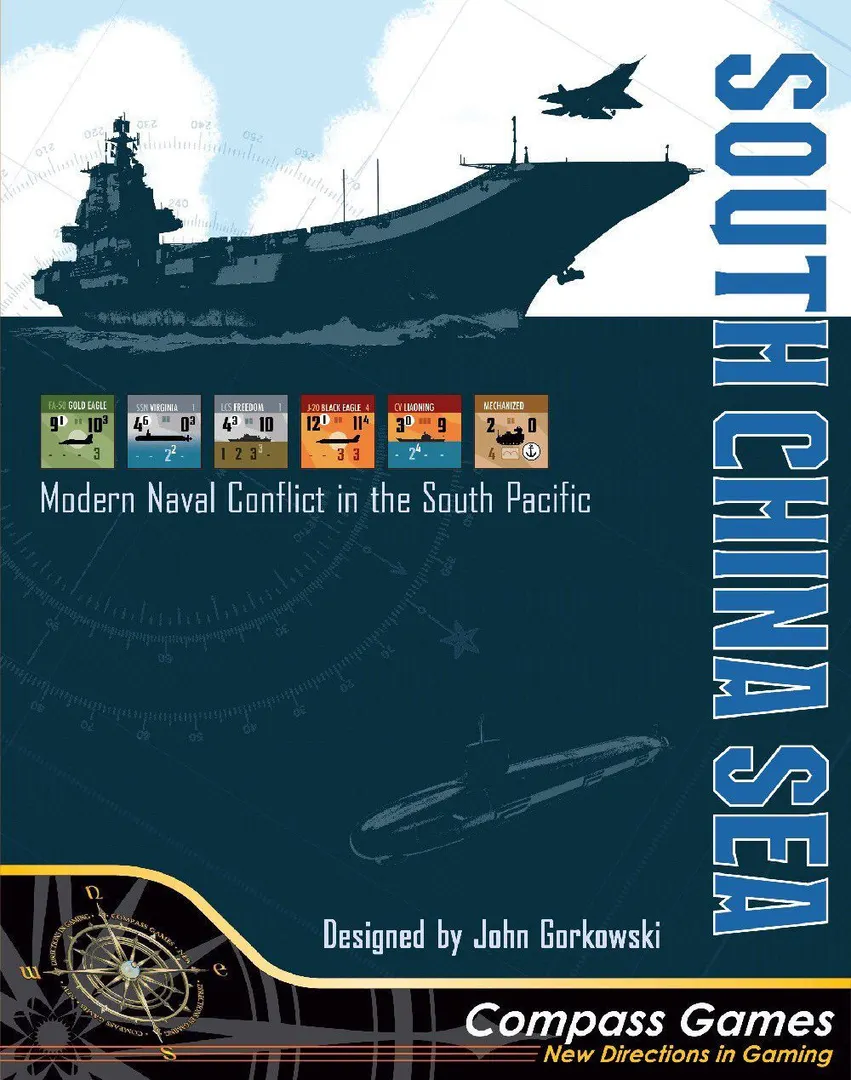
publisher's description Breaking the Chains (BtC) simulates a hypothetical future military conflict over the South China and East China Seas around the year 2021. Conflicting claims of sovereignty have roiled those "near seas" since the Cold War. After decades of patient diplomacy, Beijing's new navy could offer military options for finally asserting sovereignty over prizes within the First Island Chain - that string of islands which runs from the Ryukus south through Taiwan, the Philippines and then curls back to the mainland via Malaysia. BtC presumes that China comes to blows with a Southeast Asian country in a conflict that could expand to possibly include: Australia, India, Japan, the United States as well as a variety of Southeast Asian nations. However, beyond China and one South East Asian nation, the exact composition of opposing coalitions is not predetermined but rather a function of the decisions players make as the game unfolds. Two or more people play BtC with two reference cards, dice, and about 350 counters on a 22" X 34" map where each hex spans about 70 nautical miles (80 land miles) and each turn represents one day of real time. Players alternate maneuvering air, ground and naval units for up to 14 nations to resolve battles with a universal "strike" mechanism that applies across all types of combat; missile defense capabilities are central to survival. Air units represent from 30-90 aircraft each, most ground units are regiments, and naval units are small groups of surface ships/submarines or individual aircraft carriers. Specialized chit play simulates black ops, cyber warfare and various political developments. BtC is solitaire friendly. The naval operations which dominate play are based on a roll-to-evade model rather than search-to-find model. That means, owing to a battle space awash in electromagnetic emissions, enemy positions - except for motionless submarines - are assumed to be known unless a last-minute dice roll determines a potential target has evaded detection. So there is no “hidden movement” to stifle solitaire play; and the “hidden placement” of submarines can be forgone. Finally, the special chits that govern black ops can be played at random to further enable solo game play.
Według katalogu Breaking the Chains: War in the South China Sea obsługuje od 1 do 10 graczy. Ten zakres odpowiada liczbie graczy podanej przez wydawcę, więc grę można przygotować dla dowolnej grupy w jego granicach. Przygotowanie, niektóre zasady i punktacja mogą jednak różnić się w zależności od liczby graczy; dokładną konfigurację sprawdź w instrukcji swojego wydania.
Podany czas rozgrywki w Breaking the Chains: War in the South China Sea wynosi 120–1200 minut. To szacunek wydawcy dla pełnej partii. Rzeczywisty czas zależy od grupy, liczby graczy i znajomości zasad: pierwsze partie zwykle trwają dłużej, a doświadczone grupy kończą szybciej. Przygotowanie gry i tłumaczenie zasad nie są wliczone w ten szacunek.
Breaking the Chains: War in the South China Sea ma ocenę złożoności 3,1 na 5 według graczy BoardGameGeek, co czyni ją grą średnio złożoną. Ocena pokazuje, ile znajomości zasad, planowania i podejmowania decyzji wymaga typowa rozgrywka. Cięższe gry wymagają dłuższego pierwszego tłumaczenia, dlatego przed wieczorem z grami warto skorzystać z przewodnika przygotowania.
Breaking the Chains: War in the South China Sea należy do tych kategorii: Wargame, Nautical i Political. Główne mechaniki to Cooperative Game, Hexagon Grid i Simulation. Kategorie opisują temat i świat gry, a mechaniki to, co gracze faktycznie robią w swojej turze. Każda mechanika prowadzi do strony katalogu z podobnymi grami, co pomaga znaleźć coś porównywalnego na kolejny wieczór.
Autorzy wymienieni przy Breaking the Chains: War in the South China Sea to: John Gorkowski. Te informacje pochodzą z opublikowanych danych gry i wskazują osoby odpowiedzialne za jej projekt, a nie ilustratorów czy wydawców. Strony autorów w MeepleRules zbierają inne tytuły tych samych twórców, co pomaga, gdy gra ci się podoba i szukasz podobnych.
W katalogu Breaking the Chains: War in the South China Sea figuruje jako gra podstawowa. Można w nią grać samodzielnie, korzystając z elementów z pudełka, bez żadnego innego tytułu. Dodatki, jeśli istnieją, dokładają nową zawartość lub zasady i są wymienione w katalogu osobno, z odnośnikiem do tej gry podstawowej.