
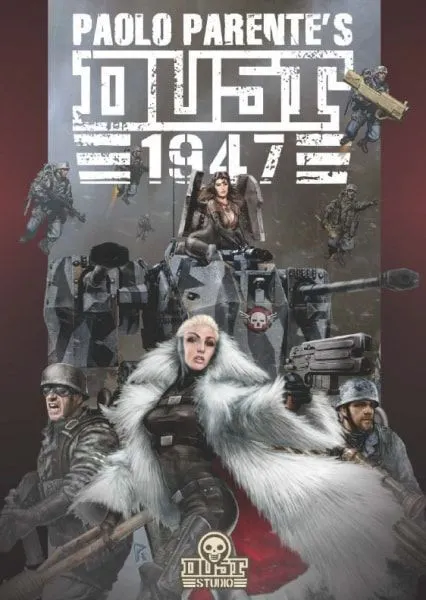
- Pozycja w BGG
- BGG #10 274
- Ocena BGG
- 7,6
Dust 1947
- 2–8 graczy
- 60–120 min
- Złożoność 2,7/5
- 2016
Pomoc w zasadach gry Buck Rogers 2.0
Zrozumiałe wyjaśnienia tur, efektów kart i spornych sytuacji z odnośnikami do oficjalnych źródeł i zapisaną historią pytań.
Co chcesz wiedzieć?
Odpowiedzi pochodzą z oficjalnej instrukcji, ze stroną do sprawdzenia.
Buck Rogers 2.0 to dodatek do gry Buck Rogers: Battle for the 25th Century Game wydany w 2008 roku dla 2–6 graczy i z rozgrywką trwającą 180 minut. Projekt gry: Peet Smith. Główne mechaniki: Variable Player Powers, Area Movement i Dice Rolling.
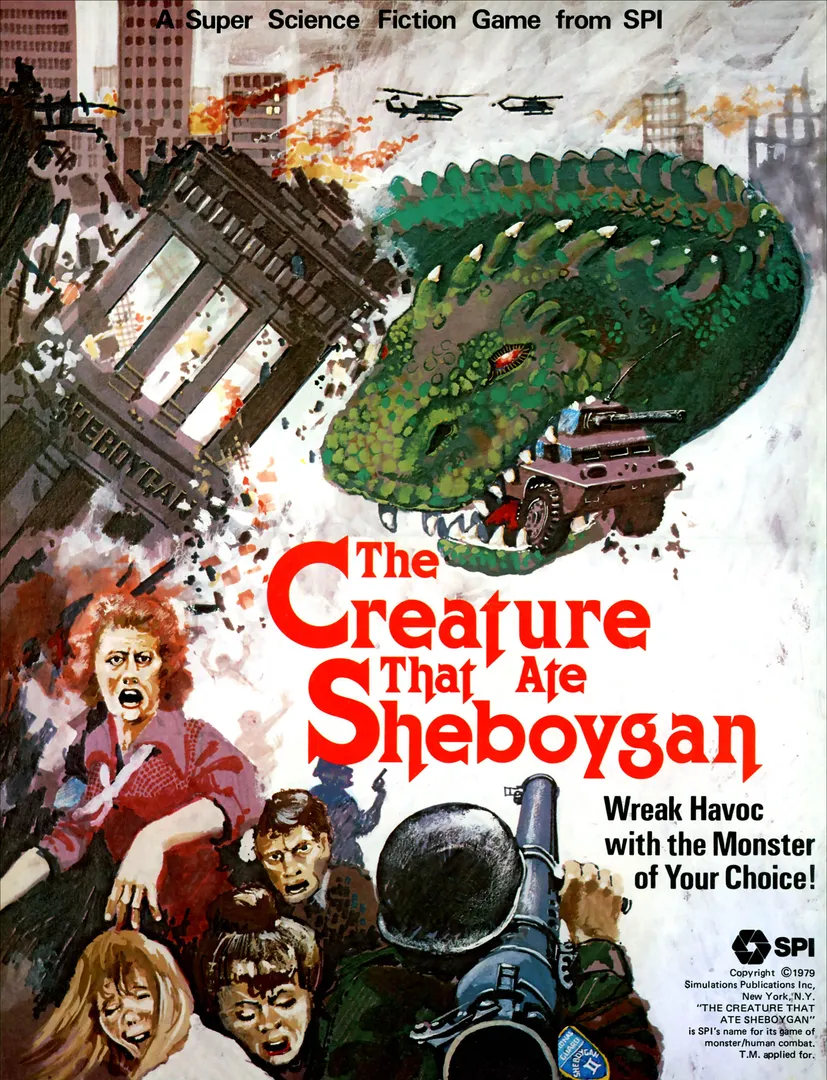
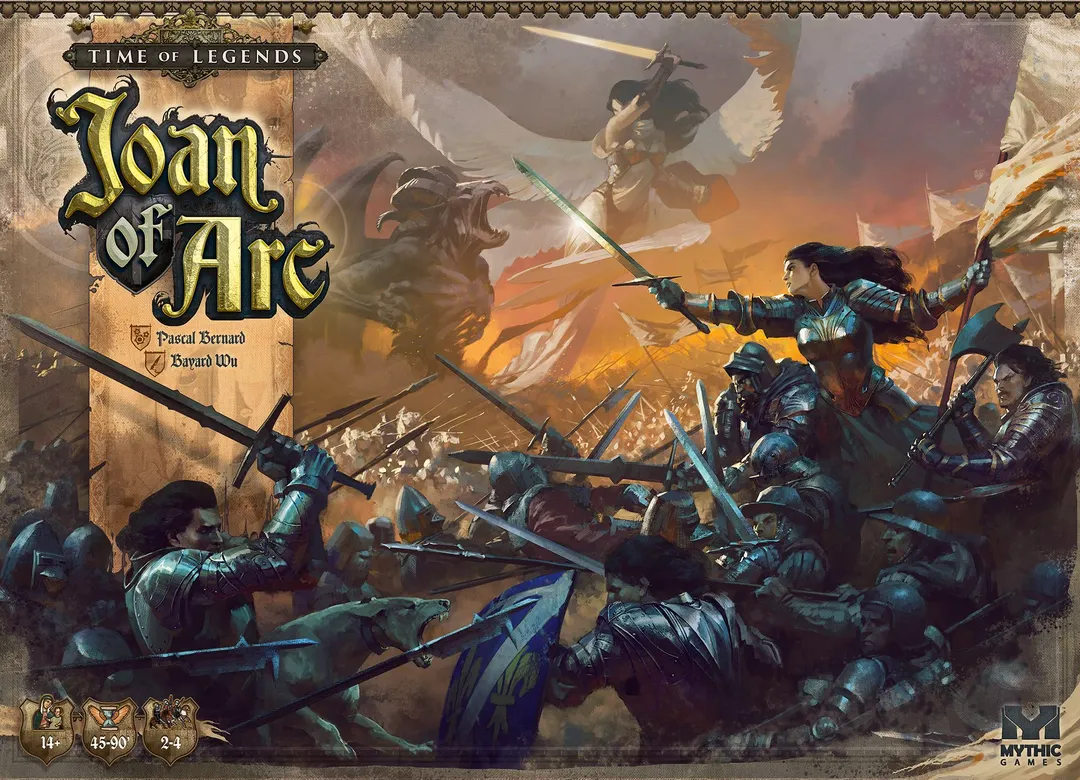

Po angielsku
This is an expansion and upgrade to the game "Buck Rogers: Battle for the 25th Century" published by TSR in 1988 and requires a copy of that game in order to play. If you have that game, just print out these components and you can play Buck Rogers 2.0. It is a game of conquest set in the inner solar system in the 25th century; the board features the planets Mercury, Venus, Earth, and Mars, along with the Asteroid belt. Players build armies and space fleets and struggle to control these territories; whoever has the most territory at game end wins. Each player controls a character from the Buck Rogers universe, who grants the pieces around him or her special abilities. These special powers will often dictate that player's strategy. Each game turn begins with each player bidding for turn order and then building new units. They can build these units at factories, and can also buy mercenaries from the black market. They can build ground units, which are vital for controlling planets, and spaceships which are necessary for traveling from one world to another. Then, in turn order each player moves his or her units; they may move as many or as few of their units as they like. At the end of this phase, combat will occur if any player's units are in the same zone as another's, though combat can happen during movement if one player tries to move units through or out of a zone containing enemy units. In combat, units are moved to a "battle board" which allows the players to make tactical choices for their units. The front section is the "battle line" where units may fire but are vulnerable to enemy fire, while the rear section is the "reserve line," where units may not fire but are protected from enemy fire by units in the battle line. Each unit has a set of numbers it needs to roll on a d10 in order to hit; which number it needs depends on the unit it is firing at. Once only units from one faction remain the battle is over. Once all battles are complete, if no player has won the game the planets and asteroids all move forward one zone in orbit around the sun. Since different planets complete orbits in different amounts of time, players need to watch for "conjunctions" where planets are close to one another and the opportunity exists for players to move from one planet to another quickly. Changes to the original game include: Balanced Leader Abilities 9 new leaders - including 3 from the 1930's serial films Turn order decided by bidding instead of randomly Expanded Territory-Based Black Market Production Use of the Cards During the Game (not just for setup) Expanded Pass-through Fire Rules The Tactical Battle Board for Combat Offensive Gennie Variant (no more gennie turtling!) Upgrades: Buck Rogers: Battle for the 25th Century Game
Według katalogu Buck Rogers 2.0 obsługuje od 2 do 6 graczy. Ten zakres odpowiada liczbie graczy podanej przez wydawcę, więc grę można przygotować dla dowolnej grupy w jego granicach. Przygotowanie, niektóre zasady i punktacja mogą jednak różnić się w zależności od liczby graczy; dokładną konfigurację sprawdź w instrukcji swojego wydania.
Podany czas rozgrywki w Buck Rogers 2.0 wynosi 180 minut. To szacunek wydawcy dla pełnej partii. Rzeczywisty czas zależy od grupy, liczby graczy i znajomości zasad: pierwsze partie zwykle trwają dłużej, a doświadczone grupy kończą szybciej. Przygotowanie gry i tłumaczenie zasad nie są wliczone w ten szacunek.
Buck Rogers 2.0 ma ocenę złożoności 2,7 na 5 według graczy BoardGameGeek, co czyni ją grą raczej lekką. Ocena pokazuje, ile znajomości zasad, planowania i podejmowania decyzji wymaga typowa rozgrywka. Cięższe gry wymagają dłuższego pierwszego tłumaczenia, dlatego przed wieczorem z grami warto skorzystać z przewodnika przygotowania.
Buck Rogers 2.0 należy do tych kategorii: Fighting, Comic Book / Strip i Economic. Główne mechaniki to Variable Player Powers, Area Movement i Dice Rolling. Kategorie opisują temat i świat gry, a mechaniki to, co gracze faktycznie robią w swojej turze. Każda mechanika prowadzi do strony katalogu z podobnymi grami, co pomaga znaleźć coś porównywalnego na kolejny wieczór.
Autorzy wymienieni przy Buck Rogers 2.0 to: Peet Smith. Te informacje pochodzą z opublikowanych danych gry i wskazują osoby odpowiedzialne za jej projekt, a nie ilustratorów czy wydawców. Strony autorów w MeepleRules zbierają inne tytuły tych samych twórców, co pomaga, gdy gra ci się podoba i szukasz podobnych.
W katalogu Buck Rogers 2.0 figuruje jako dodatek do Buck Rogers: Battle for the 25th Century Game. Dodatki dokładają nową zawartość, zasady lub scenariusze do gry podstawowej i zwykle nie nadają się do samodzielnej gry, więc do korzystania z niego potrzebujesz gry Buck Rogers: Battle for the 25th Century Game. Sprawdź, czy twoje wydanie gry Buck Rogers: Battle for the 25th Century Game jest zgodne, bo niektóre dodatki zmieniano między wydaniami.