
- Pozycja w BGG
- BGG #5749
- Ocena BGG
- 6,2
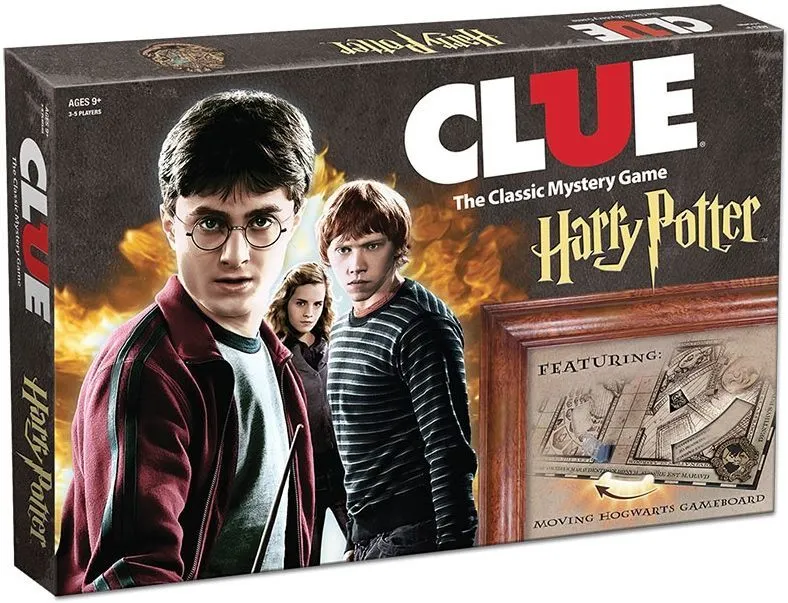
Clue: Harry Potter Edition
- 3–5 graczy
- 30 min
- Złożoność 1,6/5
- 2008
2001
Pomoc w zasadach gry Clue: Dungeons & Dragons
Zrozumiałe wyjaśnienia tur, efektów kart i spornych sytuacji z odnośnikami do oficjalnych źródeł i zapisaną historią pytań.
Co chcesz wiedzieć?
Odpowiedzi pochodzą z oficjalnej instrukcji, ze stroną do sprawdzenia.
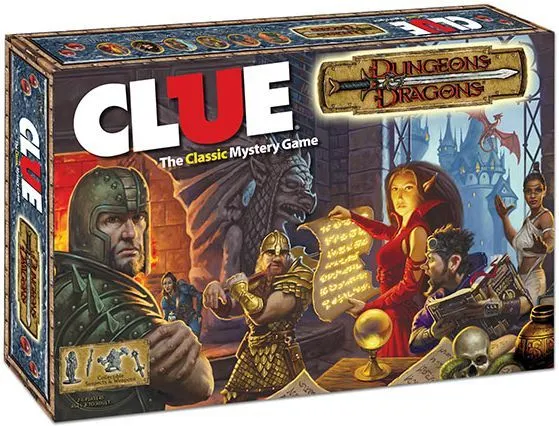
Clue: Dungeons & Dragons to gra planszowa wydana w 2001 roku dla 3–6 graczy, z rozgrywką trwającą 90 minut i dla osób od 8 lat. Główne mechaniki: Roll / Spin and Move.





Po angielsku
Game description from the publisher: Who killed the Archmage? Was it Tordek in the Dragon's Lair with the Flaming Battle Axe? Or Mialee in the Dungeon with the Staff of Power? In Clue: Dungeons & Dragons, a group of heroic adventurers has been called to the Archmage's castle, but one of those heroes isn't who he appears to be; one of the heroes is a doppelganger, a monster that can look like anyone! In the darkest part of the night, the doppelganger kills the Archmage, triggering a spell that seals the castle until the monster is caught. Now, in the grand tradition of Clue, the six suspects must determine which one of them is the doppelganger: Regdar the Human Fighter, Tordek the Dwarf Fighter, Lidda the Halfling Rogue, Mialee the Elf Wizard, Ember the Human Monk or Nebin the Gnome Wizard. The heroes try to figure out Who killed the Archmage, Where the crime occurred, and Which magical weapon was used. For the most part, gameplay in Clue: Dungeons & Dragons is identical to standard Clue as players roll a die, move into different locations on the game board, then make accusations against a particular combination of who/where/which cards and a particular opponent; if that opponent holds one of those cards, she must reveal it to you. Eventually someone will narrow down the possibilities and make an accusation as to exactly which cards have been removed from the game; if correct the player wins, and otherwise she's out of the game and play continues for everyone else. One optional element in Clue: Dungeons & Dragons is the Wandering Monsters deck. After landing on a "claw-marked" space on the game board, the player draws the top card from this deck, then battles the creature shown by rolling a die. If she wins, she gains a magic item that confers a single-use special ability, such as looking at a random card from an opponent's hand or taking an extra turn. If she loses, her token is placed in the center of the game board, from where it will take several turns to move back into a room (and get back into the game).
Według katalogu Clue: Dungeons & Dragons obsługuje od 3 do 6 graczy. Ten zakres odpowiada liczbie graczy podanej przez wydawcę, więc grę można przygotować dla dowolnej grupy w jego granicach. Przygotowanie, niektóre zasady i punktacja mogą jednak różnić się w zależności od liczby graczy; dokładną konfigurację sprawdź w instrukcji swojego wydania.
Podany czas rozgrywki w Clue: Dungeons & Dragons wynosi 90 minut. To szacunek wydawcy dla pełnej partii. Rzeczywisty czas zależy od grupy, liczby graczy i znajomości zasad: pierwsze partie zwykle trwają dłużej, a doświadczone grupy kończą szybciej. Przygotowanie gry i tłumaczenie zasad nie są wliczone w ten szacunek.
Katalog podaje dla Clue: Dungeons & Dragons wiek od 8 lat. To zalecenie wydawcy, które uwzględnia wymagania dotyczące czytania, złożoność zasad i drobne elementy, a nie tylko tematykę. Młodsi gracze często mogą dołączyć z pomocą dorosłego; sprawdź zalecenie wiekowe swojego wydania i weź pod uwagę doświadczenie grupy z grami planszowymi.
Clue: Dungeons & Dragons ma ocenę złożoności 1,7 na 5 według graczy BoardGameGeek, co czyni ją grą lekką. Ocena pokazuje, ile znajomości zasad, planowania i podejmowania decyzji wymaga typowa rozgrywka. Cięższe gry wymagają dłuższego pierwszego tłumaczenia, dlatego przed wieczorem z grami warto skorzystać z przewodnika przygotowania.
Clue: Dungeons & Dragons należy do tych kategorii: Fantasy, Deduction i Murder / Mystery. Główne mechaniki to Roll / Spin and Move. Kategorie opisują temat i świat gry, a mechaniki to, co gracze faktycznie robią w swojej turze. Każda mechanika prowadzi do strony katalogu z podobnymi grami, co pomaga znaleźć coś porównywalnego na kolejny wieczór.
W katalogu Clue: Dungeons & Dragons figuruje jako gra podstawowa. Można w nią grać samodzielnie, korzystając z elementów z pudełka, bez żadnego innego tytułu. Dodatki, jeśli istnieją, dokładają nową zawartość lub zasady i są wymienione w katalogu osobno, z odnośnikiem do tej gry podstawowej.