- Ocena BGG
- 6,5
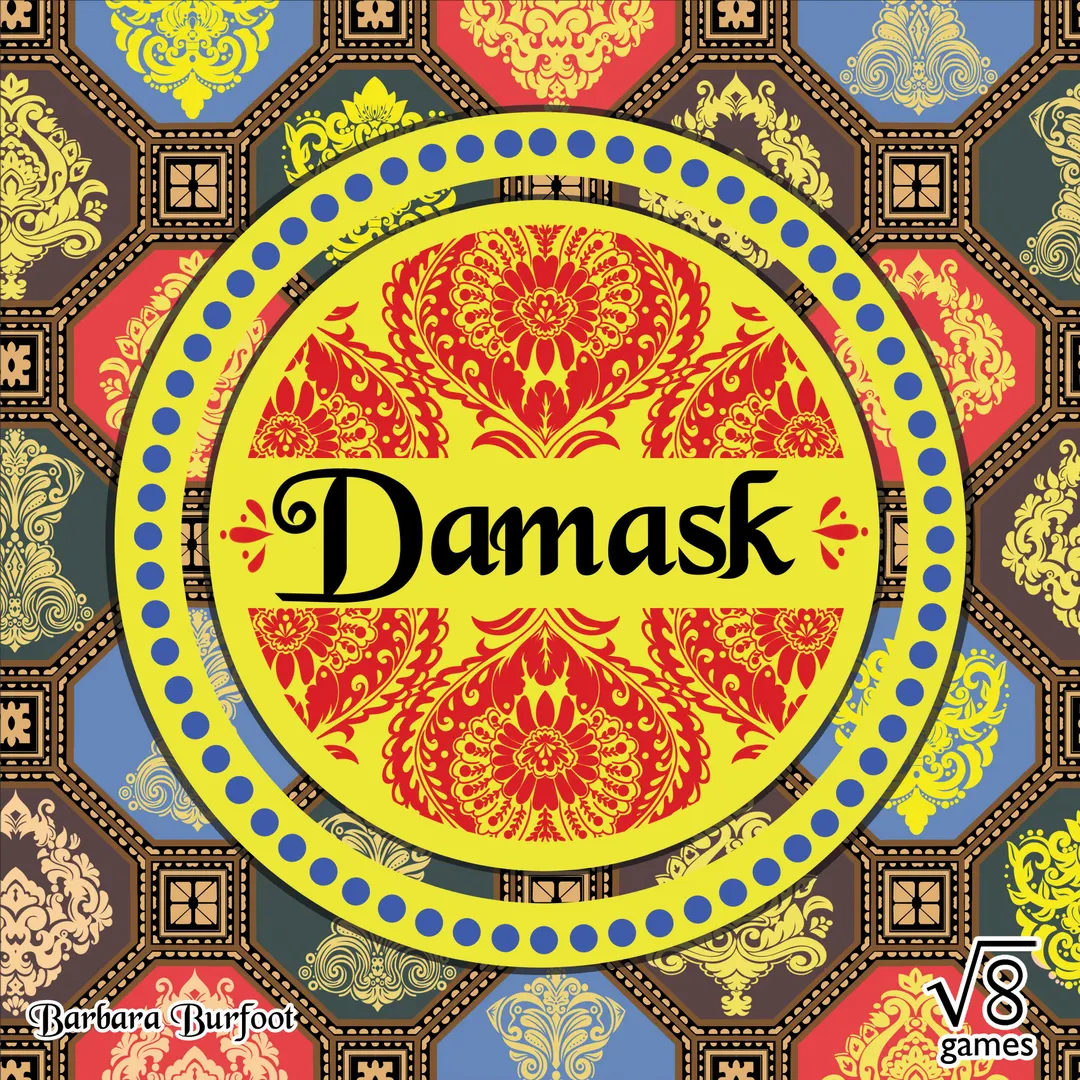
Damask: Gamefound Expansion Cards
- 1–4 graczy
- 15–60 min
- 2022
2022
Pomoc w zasadach gry Damask
Zrozumiałe wyjaśnienia tur, efektów kart i spornych sytuacji z odnośnikami do oficjalnych źródeł i zapisaną historią pytań.
Co chcesz wiedzieć?
Odpowiedzi pochodzą z oficjalnej instrukcji, ze stroną do sprawdzenia.
Damask to gra planszowa wydana w 2022 roku dla 1–4 graczy, z rozgrywką trwającą 30–60 minut i dla osób od 12 lat. Projekt gry: Barbara Burfoot. Główne mechaniki: Pattern Building i Open Drafting.







Po angielsku
From the great trading center of Damascus, via the Silk Road, ancient weaving techniques and motifs made their way to the famous textile houses of Venice. Master weavers used draw looms to create richly woven fabrics that became known as damasks. For centuries, these luxurious silks lavished the wardrobes and halls of mansions and palaces across Europe. In Damask, players play the roles of these master weavers, trying to make the most money, while also gaining the favor of the Weavers' Guild. In more detail, the game includes 72 damask cards, with the damasks being two of six colors and one of four patterns; place 26 cubes (which come in six colors) at random on the spinning wheel, lay out a pattern and color card at random for each "season" that the game will be played (two in a short game, three in a normal one), then lay out six damask cards at random. Each player drafts a damask card, then you refill the display. On a turn, either you take a damask card and place it in front of you, or you draft cubes from the spinning wheel by choosing a cube, then going clockwise or counter-clockwise until you hit the second cube of any color. Collect all of those cubes, placing them on damask cards as you wish and keeping the remainder in your overstock. Each damask card requires three cubes of one color and two of another to complete. After the required action, you can take one of two optional actions: Take all cubes of one color from an opponent's overstock (with them receiving a guild favor in compensation), or mount a damask by returning the five cubes on it and standing it in your personal holder. You earn 1 coin when mounting a damask and 1 additional coin for each color or pattern it has that matches the previous damask you mounted, i.e., at most 4 coins. If a mounted damask also matches the season's color or pattern, you gain guild favors. Each guild favor has a color or pattern on it, and you can use them to mount damasks in place of missing cubes, replace damask cards available in the display, mount an additional damask, or avoid paying taxes for extraneous cubes left in your supply at the end of a season. Three guild favors are worth 1 coin at game's end, and in addition to coins earned during the game, you receive bonus coins at game's end for having all six colors or all four patterns among your mounted damasks. Whoever earns the most coins wins.
Według katalogu Damask obsługuje od 1 do 4 graczy. Ten zakres odpowiada liczbie graczy podanej przez wydawcę, więc grę można przygotować dla dowolnej grupy w jego granicach. Przygotowanie, niektóre zasady i punktacja mogą jednak różnić się w zależności od liczby graczy; dokładną konfigurację sprawdź w instrukcji swojego wydania.
Podany czas rozgrywki w Damask wynosi 30–60 minut. To szacunek wydawcy dla pełnej partii. Rzeczywisty czas zależy od grupy, liczby graczy i znajomości zasad: pierwsze partie zwykle trwają dłużej, a doświadczone grupy kończą szybciej. Przygotowanie gry i tłumaczenie zasad nie są wliczone w ten szacunek.
Katalog podaje dla Damask wiek od 12 lat. To zalecenie wydawcy, które uwzględnia wymagania dotyczące czytania, złożoność zasad i drobne elementy, a nie tylko tematykę. Młodsi gracze często mogą dołączyć z pomocą dorosłego; sprawdź zalecenie wiekowe swojego wydania i weź pod uwagę doświadczenie grupy z grami planszowymi.
Damask ma ocenę złożoności 2,0 na 5 według graczy BoardGameGeek, co czyni ją grą raczej lekką. Ocena pokazuje, ile znajomości zasad, planowania i podejmowania decyzji wymaga typowa rozgrywka. Cięższe gry wymagają dłuższego pierwszego tłumaczenia, dlatego przed wieczorem z grami warto skorzystać z przewodnika przygotowania.
Główne mechaniki gry Damask to Pattern Building i Open Drafting. Mechaniki opisują, co gracze robią w swojej turze, na przykład rzucają kośćmi, dobierają karty lub rozmieszczają robotników. Każda mechanika prowadzi do strony katalogu z podobnymi grami, jeśli spodobała ci się gra Damask.
Autorzy wymienieni przy Damask to: Barbara Burfoot. Te informacje pochodzą z opublikowanych danych gry i wskazują osoby odpowiedzialne za jej projekt, a nie ilustratorów czy wydawców. Strony autorów w MeepleRules zbierają inne tytuły tych samych twórców, co pomaga, gdy gra ci się podoba i szukasz podobnych.
W katalogu Damask figuruje jako gra podstawowa. Można w nią grać samodzielnie, korzystając z elementów z pudełka, bez żadnego innego tytułu. Dodatki, jeśli istnieją, dokładają nową zawartość lub zasady i są wymienione w katalogu osobno, z odnośnikiem do tej gry podstawowej.