
- Pozycja w BGG
- BGG #25
- Ocena BGG
- 8,2
Nemesis
1–5 graczy90–180 min2018
Złożoność 3,5/5
2026
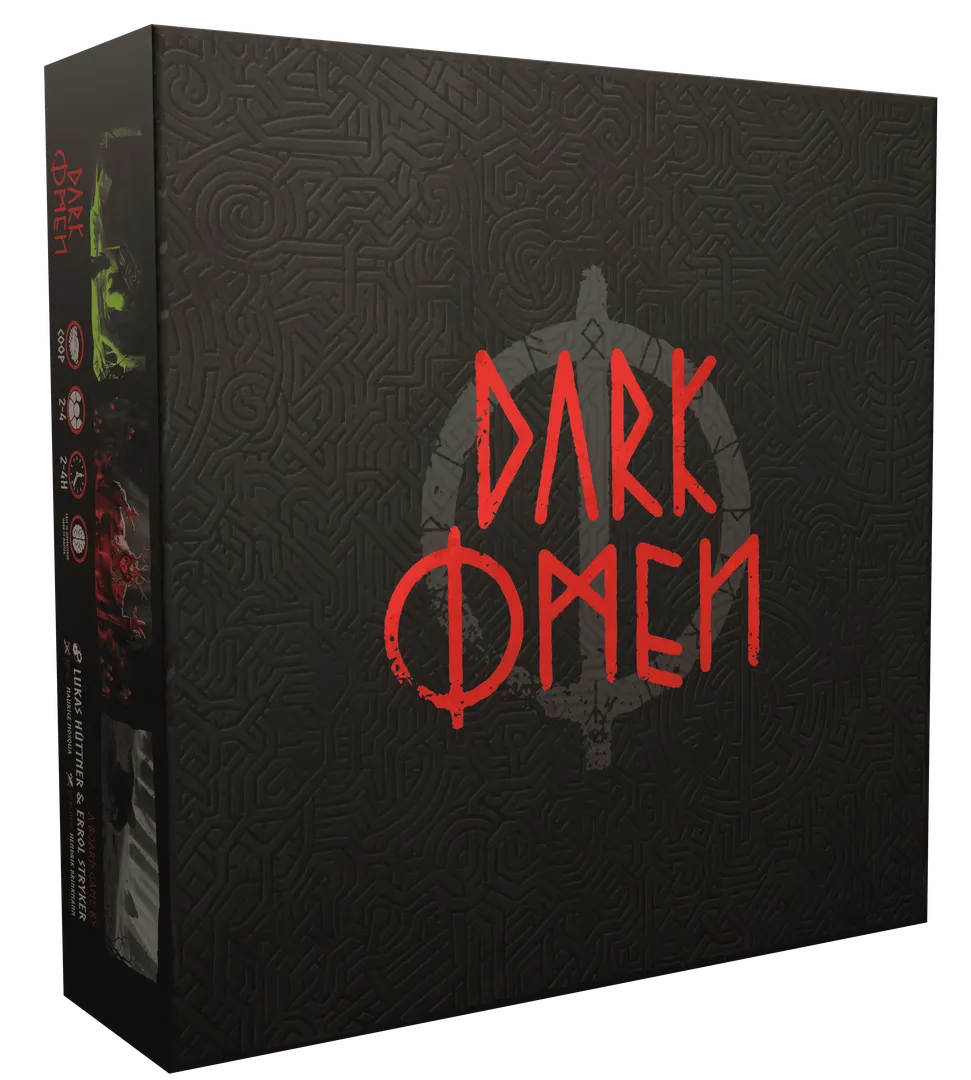
Pomoc w zasadach gry Dark Omen
Zrozumiałe wyjaśnienia tur, efektów kart i spornych sytuacji z zapisaną historią pytań.
Co chcesz wiedzieć?
Odpowiedzi pochodzą z oficjalnej instrukcji, ze stroną do sprawdzenia.
Dark Omen to gra planszowa wydana w 2026 roku dla 1–4 graczy, z rozgrywką trwającą 120–720 minut i dla osób od 12 lat. Projekt gry: Lukas Hüttner i Errol Stryker. Główne mechaniki: Dice Rolling, Cooperative Game i Scenario / Mission / Campaign Game.
1–5 graczy90–180 min2018
1–4 graczy30–90 min2022

1–5 graczy120–180 min2016
1–6 graczy45–120 min2017

1–6 graczy60 min2022

1–5 graczy60–150 min2017
1–4 graczy60 min2019
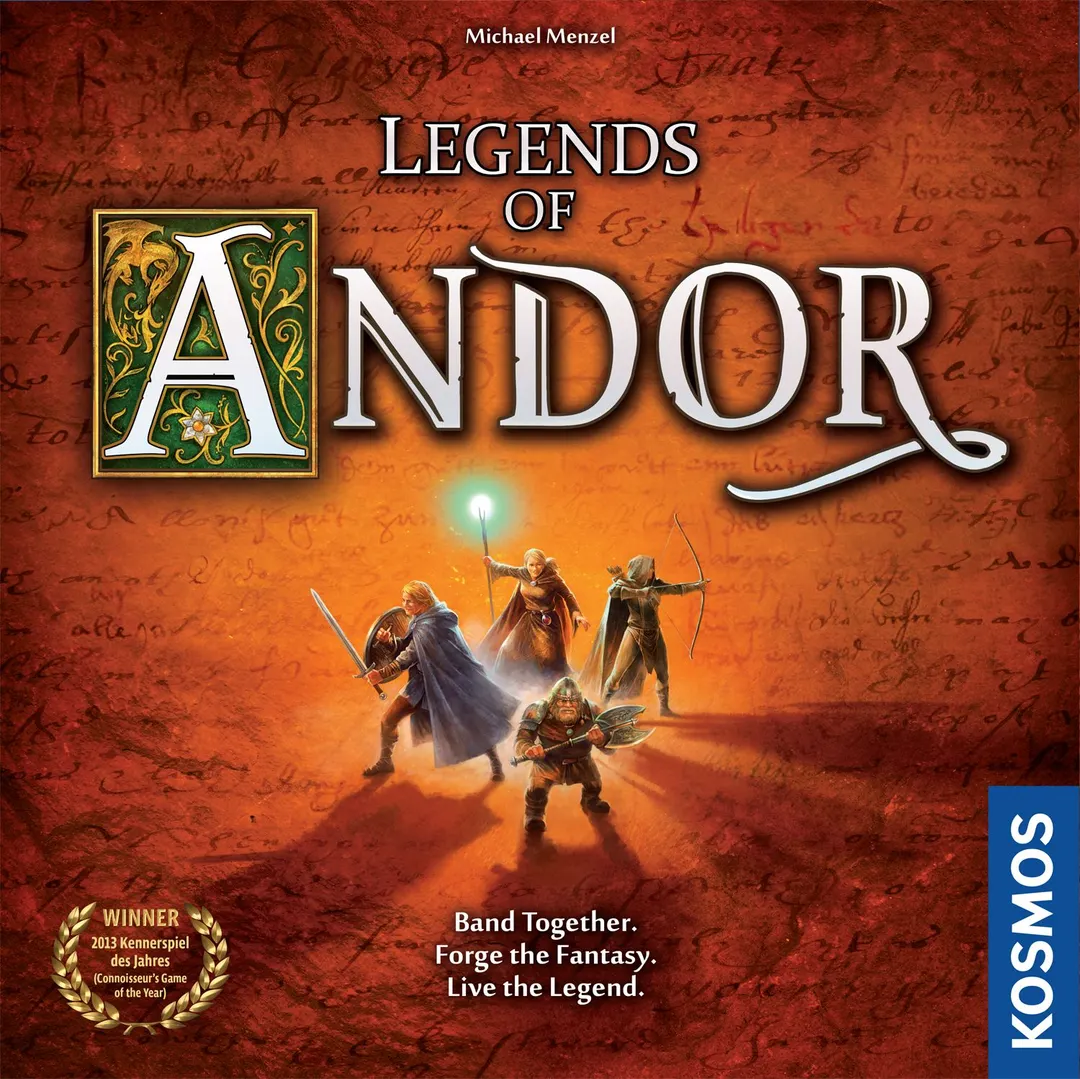
1–4 graczy60–90 min2012
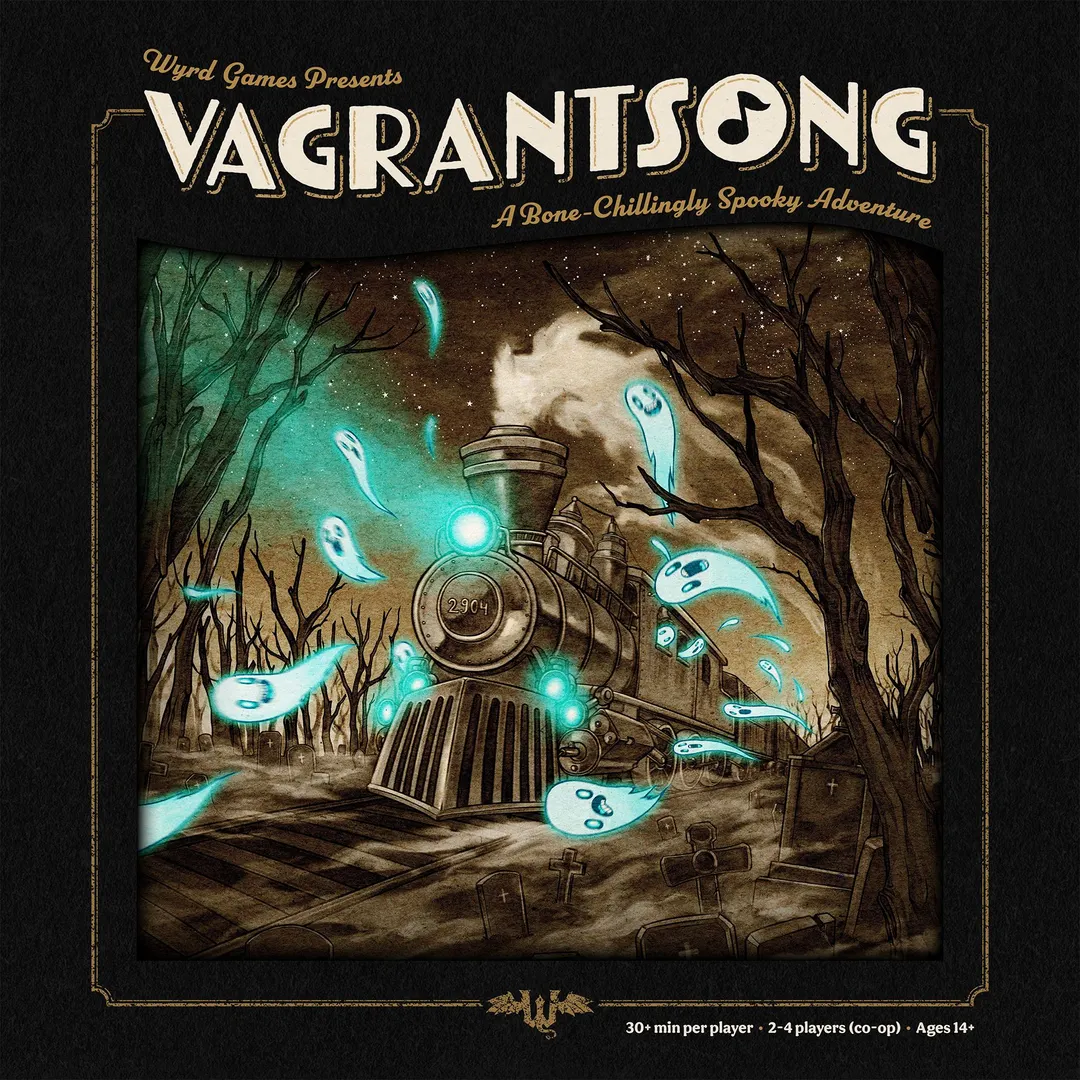
2–4 graczy45–120 min2022

1–4 graczy45–180 min2018
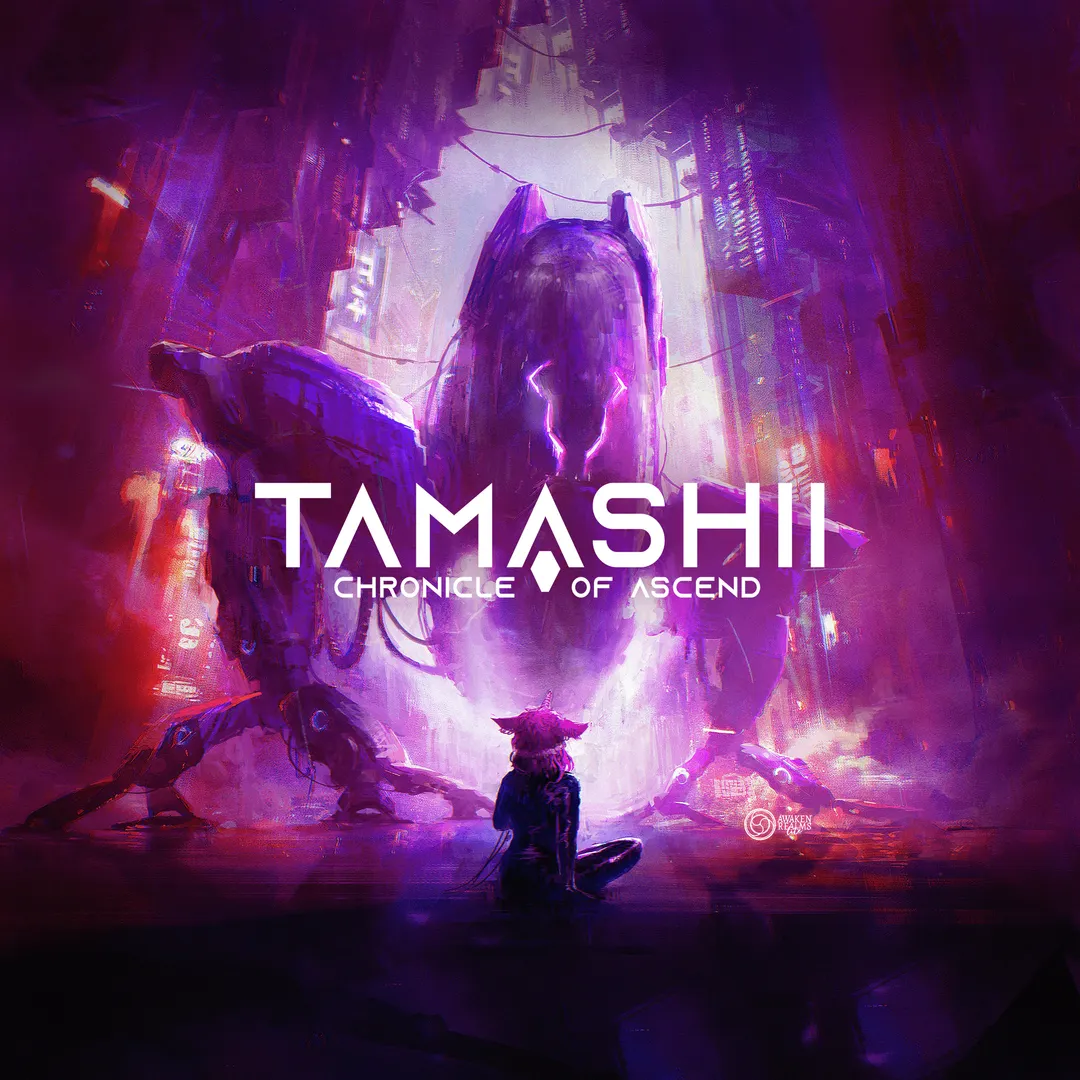
1–4 graczy60–180 min2023
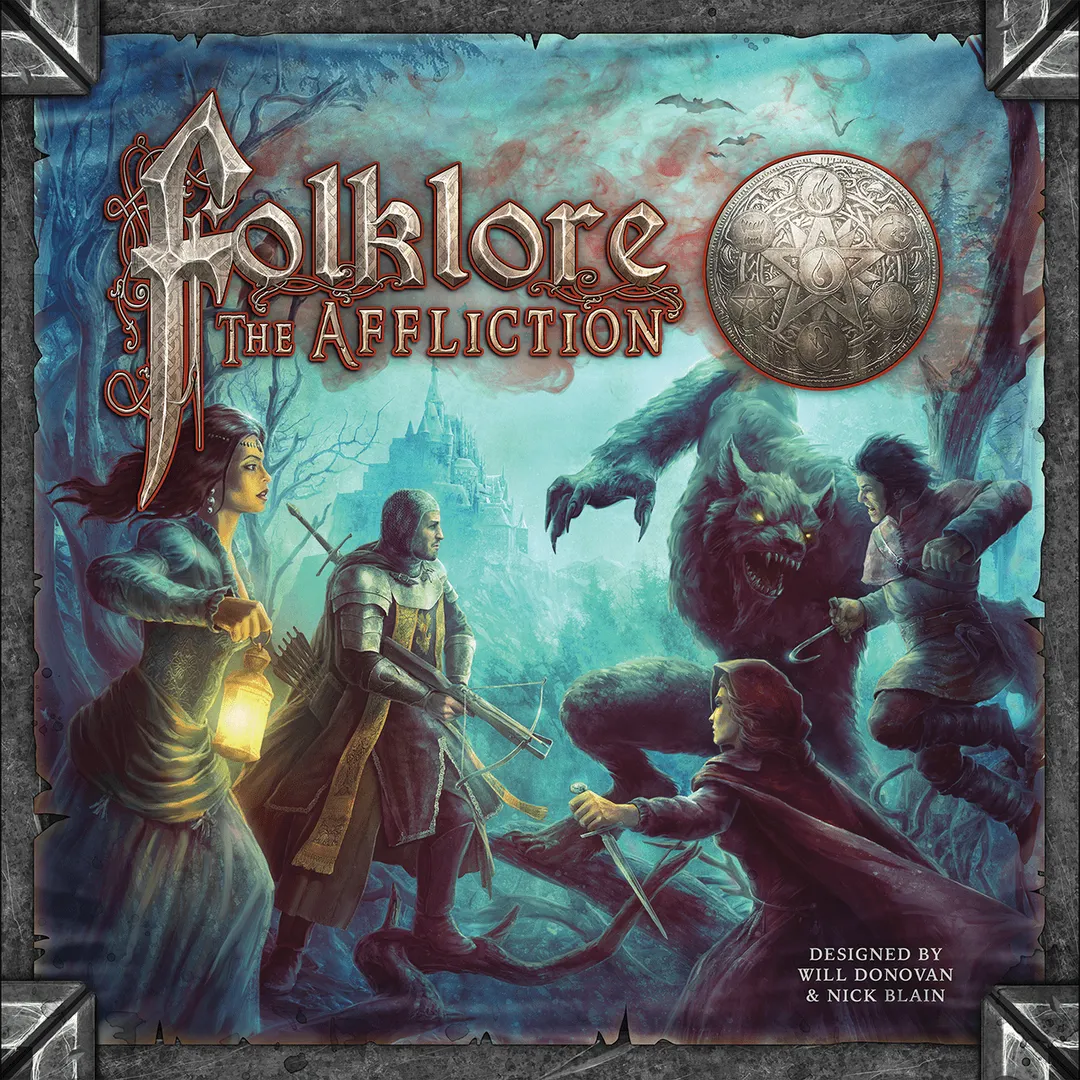
1–5 graczy90–120 min2017
Po angielsku
Dark Omen is a unique role playing board game. It brings together elements of your favourite games growing up, with game mechanics which the industry has never seen. Dark Omen immerses players in a tangible world with an enthralling story, epic characters, and stunning artwork. We call it an Adventure/Roll Playing game, but it is much more. Players set forth in a lost Nordic time, and are faced with strategic decision making, resources management, epic battles, and puzzle solving. It is a 1-4 player cooperative game, explored campaign style through a variety of quests. What makes Dark Omen special? Well, there are several mechanics, which are not found in any other game. The Unique Obstacle System: The Dark Omen board has several transparent, moveable layers underneath the main (top) board. These layers move independently. Each layers has markings on it which represent the obstacles, or maze-like walls, which dictate how players can move around the board. From the view of the top board, the Obstacles (or walls), move underneath. In essence, this means that the board state changes throughout the game, and no two play throughs are similar. The Rune Throw system: At intervals during the game, players reach into a bag of Runes (4 sided tokens), take 5 pieces (of 16 total), and drop them on the board. Since there are 64 total possible sides of Runes, no two Rune Throws are the same. Players then select a card from the Rune Cards, which correspond to the Runes which they have thrown. The Rune Cards are a powerful handicap system which effect players in significant ways. These effect movement, battle, resources management, and much more. The Rune effects stay in play for several Omens, so players need to adjust their strategies accordingly. Sometimes this can be a real pain, sometimes it makes things much easier. This is a very dynamic system, and is individual for each Rune Throw, Omen, and play-through. Action Points: Players have 6 Action points each per turn, which they can use to move on the board, for battle, and most other game activities. Players don't need to use all of their AP at once and can choose to alternate spending AP during the same turn. Morale Points: In addition, each player has a number of Morale Points, which are tracked on their character board. Morale Points are heavily integrated into battle, overcoming board obstacles, and solving puzzles. Battle: Battle in Dark Omen is done by dice rolling, and incorporating weapon and armor buffs. Battle has two stages: 1) Attack Roll, where players roll their dice against the dice of the enemy. The outcome of the Attack Roll leads to the Damage Roll, where the winning player (or enemy) rolls for damage against the other. Ties normally lead to no Damage Roll, however many game elements lead to advantages for ties, and other battle situations. Win and Lose conditions: Dark Omen has 4 chapters, each with 5-6 Omens (Quests). The goal of the game is play through all of these adventures, without losing to the Darkness. Each failed or succeeded Omen affects the Darkness meter. If the players lose too many Omens, then the Darkness vanquished, and the game is lost. By completing Omens, players hold the Darkness at bay, and can even move the meter to the light. -description from publisher
Według katalogu Dark Omen obsługuje od 1 do 4 graczy. Ten zakres odpowiada liczbie graczy podanej przez wydawcę, więc grę można przygotować dla dowolnej grupy w jego granicach. Przygotowanie, niektóre zasady i punktacja mogą jednak różnić się w zależności od liczby graczy; dokładną konfigurację sprawdź w instrukcji swojego wydania.
Podany czas rozgrywki w Dark Omen wynosi 120–720 minut. To szacunek wydawcy dla pełnej partii. Rzeczywisty czas zależy od grupy, liczby graczy i znajomości zasad: pierwsze partie zwykle trwają dłużej, a doświadczone grupy kończą szybciej. Przygotowanie gry i tłumaczenie zasad nie są wliczone w ten szacunek.
Katalog podaje dla Dark Omen wiek od 12 lat. To zalecenie wydawcy, które uwzględnia wymagania dotyczące czytania, złożoność zasad i drobne elementy, a nie tylko tematykę. Młodsi gracze często mogą dołączyć z pomocą dorosłego; sprawdź zalecenie wiekowe swojego wydania i weź pod uwagę doświadczenie grupy z grami planszowymi.
Dark Omen ma ocenę złożoności 3,3 na 5 według graczy BoardGameGeek, co czyni ją grą średnio złożoną. Ocena pokazuje, ile znajomości zasad, planowania i podejmowania decyzji wymaga typowa rozgrywka. Cięższe gry wymagają dłuższego pierwszego tłumaczenia, dlatego przed wieczorem z grami warto skorzystać z przewodnika przygotowania.
Dark Omen należy do tych kategorii: Adventure. Główne mechaniki to Dice Rolling, Cooperative Game i Scenario / Mission / Campaign Game. Kategorie opisują temat i świat gry, a mechaniki to, co gracze faktycznie robią w swojej turze. Każda mechanika prowadzi do strony katalogu z podobnymi grami, co pomaga znaleźć coś porównywalnego na kolejny wieczór.
Autorzy wymienieni przy Dark Omen to: Lukas Hüttner i Errol Stryker. Te informacje pochodzą z opublikowanych danych gry i wskazują osoby odpowiedzialne za jej projekt, a nie ilustratorów czy wydawców. Strony autorów w MeepleRules zbierają inne tytuły tych samych twórców, co pomaga, gdy gra ci się podoba i szukasz podobnych.
W katalogu Dark Omen figuruje jako gra podstawowa. Można w nią grać samodzielnie, korzystając z elementów z pudełka, bez żadnego innego tytułu. Dodatki, jeśli istnieją, dokładają nową zawartość lub zasady i są wymienione w katalogu osobno, z odnośnikiem do tej gry podstawowej.
