
- Ocena BGG
- 8,4
Battles For the Shenandoah: A Death Valley Expansion
- 1–2 graczy
- Złożoność 3,8/5
- 2022

2019
Pomoc w zasadach gry Death Valley: Battles for the Shenandoah
Zrozumiałe wyjaśnienia tur, efektów kart i spornych sytuacji z odnośnikami do oficjalnych źródeł i zapisaną historią pytań.
Dla 1 gracza
Co chcesz wiedzieć?
Odpowiedzi pochodzą z oficjalnej instrukcji, ze stroną do sprawdzenia.
Death Valley: Battles for the Shenandoah to gra planszowa wydana w 2019 roku dla 1–2 graczy i z rozgrywką trwającą 300–1200 minut. Projekt gry: Richard H. Berg i Greg Laubach. Główne mechaniki: Dice Rolling, Grid Movement i Hexagon Grid.





Po angielsku
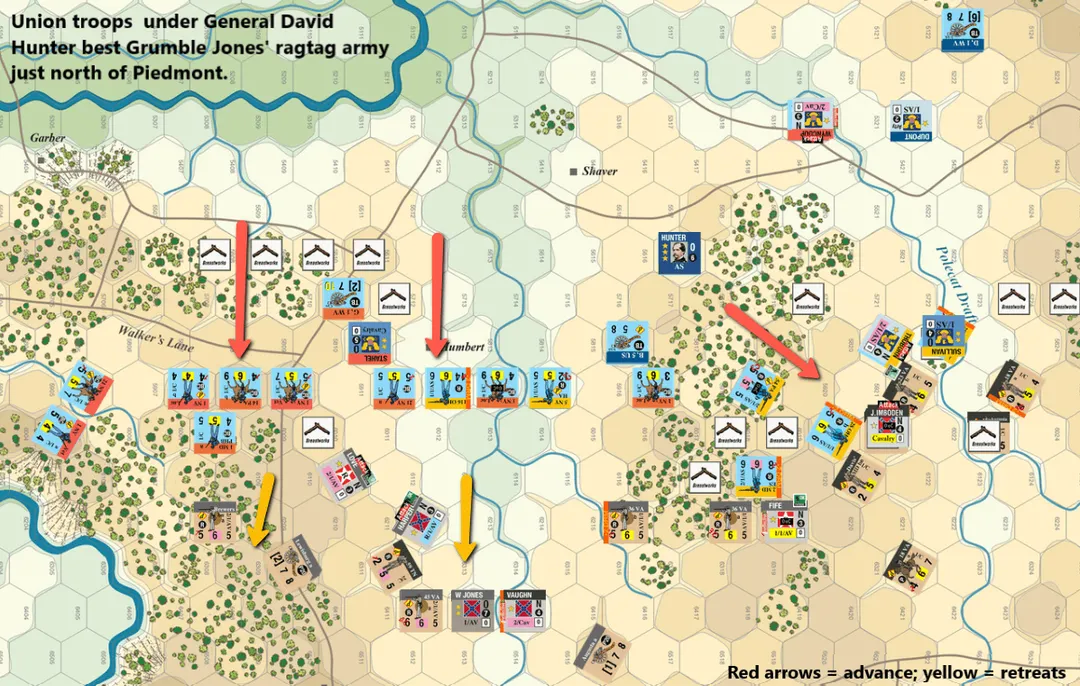
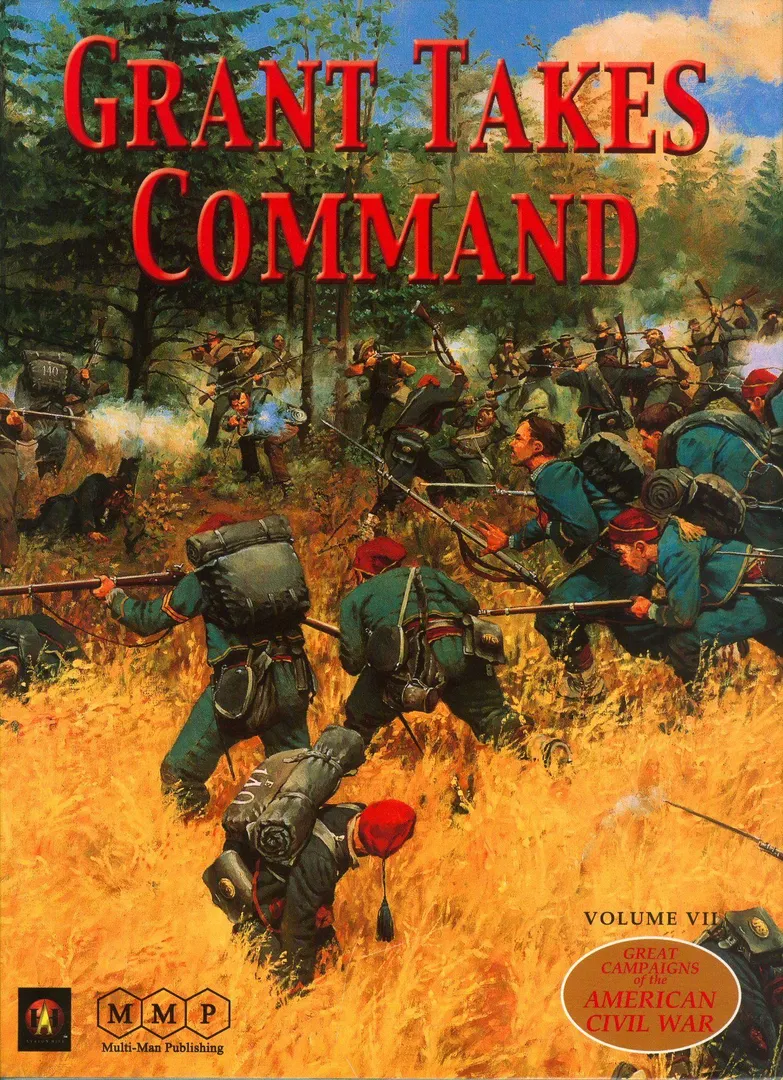
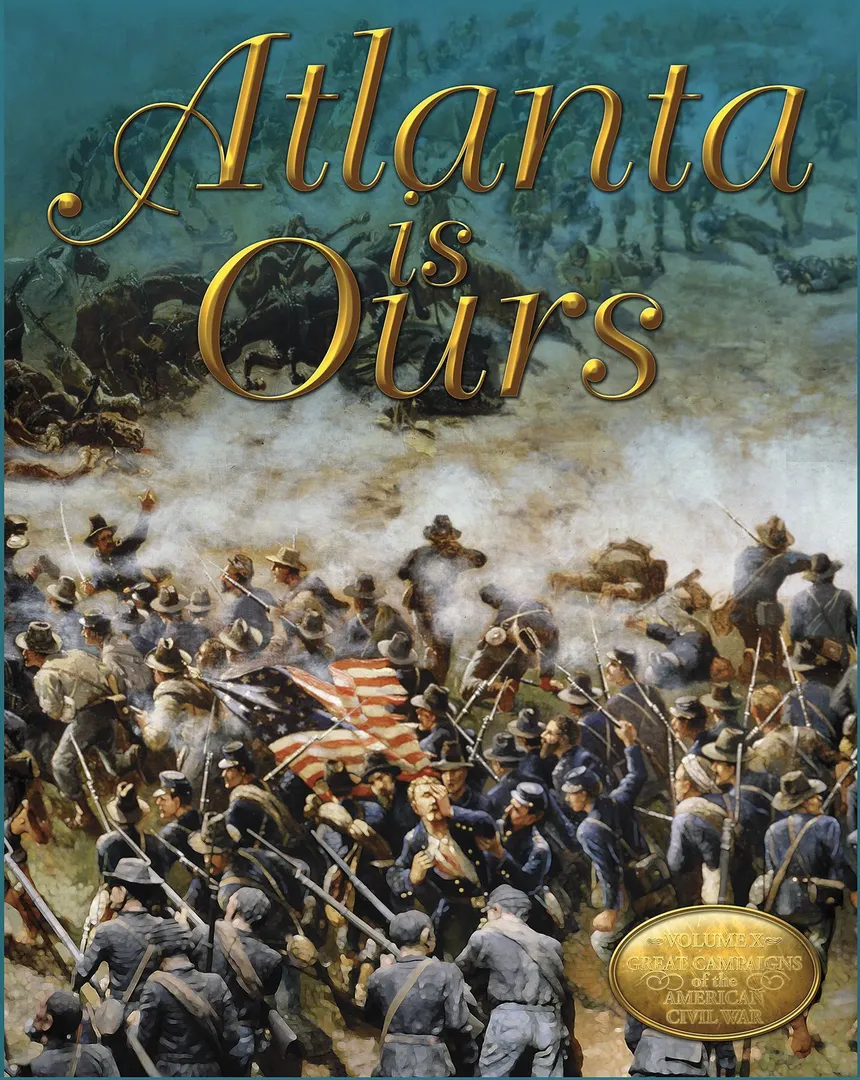
Death Valley: Battles for the Shenandoah is the seventh installment of the Great Battles of the American Civil War (GBACW) series, published by GMT Games. Death Valley: Battles for the Shenandoah contains eight battle games with multiple scenarios. They range from division level contests on half sized maps to two map battles between armies. Experienced players will be able to play many of the scenarios in one sitting. The rules compare the development of the cavalry, and the changes in infantry and artillery organization and tactics in 1862 and 1864. Three Battles of the Shenandoah Valley Campaign of 1862 In a campaign still studied in military academies, Confederate General Thomas J. (Stonewall) Jackson engaged and defeated the Union forces pursuing him. Greatly outnumbered and at times facing three Union armies, Jackson defeated them all within ten weeks, at one point completely freeing the Shenandoah Valley of Union forces. Three battles from Jackson’s 1862 Valley Campaign are featured. Kernstown, March 23, 1862 Winchester, May 25, 1862 Cross Keys and Port Republic, June 8-9, 1862 Five Battles of the Shenandoah Valley Campaigns of 1864 New Market, May 15, 1864 2nd Kernstown, July 24, 1864 3rd Winchester, September 19, 1864 Fisher's Hill, September 22, 1864 Cedar Creek, October 19, 1864 The Great Battles of the American Civil War Series: This series is one of the hobby’s longest-lived design concepts, springing from the legendary regimental level Gettysburg game – Terrible Swift Sword (SPI) – designed by Richard Berg in 1976. Under GMT, the rules system has remained stable, but has shown remarkable flexibility to allow each game to smoothly incorporate additional rules to reflect the historical battles. The series relies on interactive chit-pull mechanics to simulate the oftentimes-chaotic nature of the 19th Century battlefield at the regimental level. Changes have been made to the series rules for Death Valley in order to enhance their clarity and simulation value. Veteran players will find the revised rules to be very familiar, with the main differences being in the user-friendliness of the rulebook, as well as how the game "feels", especially for players versed in Civil War tactics. Components: 1960 counters Three 22" x 34" double-sided maps Two 17" x 22" double-sided maps One GBACW series rules booklet Two Battle booklets Sixteen Activation and Turn Record charts Two Player Aid Cards One Terrain Effects Chart One 2nd Disorder Chart Two 10-sided dice TIME SCALE: Each Turn = 1 Hour MAP SCALE: 145 Yards Per Hex with 25-Foot Elevations UNIT SCALE: 50 Men or 1 Cannon per Strength Point description from GMT website
Według katalogu Death Valley: Battles for the Shenandoah obsługuje od 1 do 2 graczy. Ten zakres odpowiada liczbie graczy podanej przez wydawcę, więc grę można przygotować dla dowolnej grupy w jego granicach. Przygotowanie, niektóre zasady i punktacja mogą jednak różnić się w zależności od liczby graczy; dokładną konfigurację sprawdź w instrukcji swojego wydania.
Podany czas rozgrywki w Death Valley: Battles for the Shenandoah wynosi 300–1200 minut. To szacunek wydawcy dla pełnej partii. Rzeczywisty czas zależy od grupy, liczby graczy i znajomości zasad: pierwsze partie zwykle trwają dłużej, a doświadczone grupy kończą szybciej. Przygotowanie gry i tłumaczenie zasad nie są wliczone w ten szacunek.
Death Valley: Battles for the Shenandoah ma ocenę złożoności 4,3 na 5 według graczy BoardGameGeek, co czyni ją grą ciężką. Ocena pokazuje, ile znajomości zasad, planowania i podejmowania decyzji wymaga typowa rozgrywka. Cięższe gry wymagają dłuższego pierwszego tłumaczenia, dlatego przed wieczorem z grami warto skorzystać z przewodnika przygotowania.
Death Valley: Battles for the Shenandoah należy do tych kategorii: Wargame, Civil War i Post-Napoleonic. Główne mechaniki to Dice Rolling, Grid Movement i Hexagon Grid. Kategorie opisują temat i świat gry, a mechaniki to, co gracze faktycznie robią w swojej turze. Każda mechanika prowadzi do strony katalogu z podobnymi grami, co pomaga znaleźć coś porównywalnego na kolejny wieczór.
Autorzy wymienieni przy Death Valley: Battles for the Shenandoah to: Richard H. Berg i Greg Laubach. Te informacje pochodzą z opublikowanych danych gry i wskazują osoby odpowiedzialne za jej projekt, a nie ilustratorów czy wydawców. Strony autorów w MeepleRules zbierają inne tytuły tych samych twórców, co pomaga, gdy gra ci się podoba i szukasz podobnych.
W katalogu Death Valley: Battles for the Shenandoah figuruje jako gra podstawowa. Można w nią grać samodzielnie, korzystając z elementów z pudełka, bez żadnego innego tytułu. Dodatki, jeśli istnieją, dokładają nową zawartość lub zasady i są wymienione w katalogu osobno, z odnośnikiem do tej gry podstawowej.