
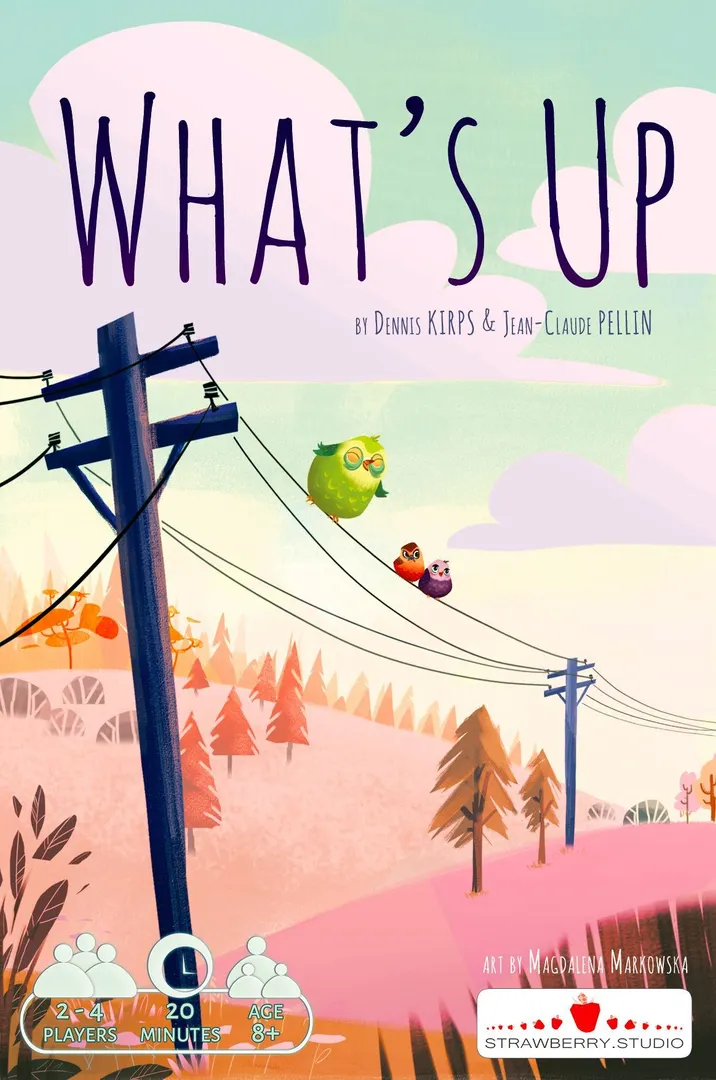
- Pozycja w BGG
- BGG #12 561
- Ocena BGG
- 5,8
What's Up
- 2–4 graczy
- 10–20 min
- Złożoność 1,1/5
- 2016
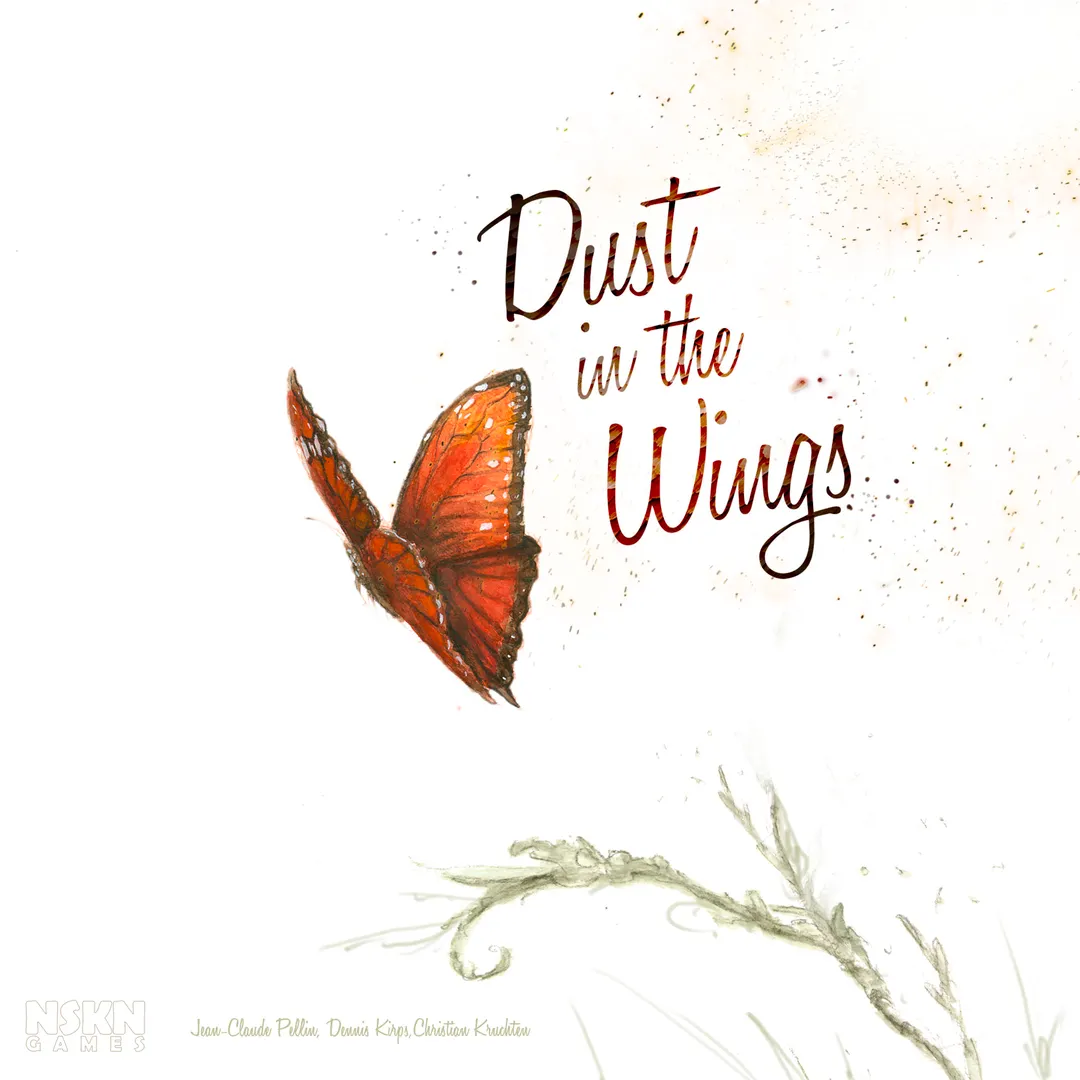
2019
Pomoc w zasadach gry Dust in the Wings
Zrozumiałe wyjaśnienia tur, efektów kart i spornych sytuacji z odnośnikami do oficjalnych źródeł i zapisaną historią pytań.
Dla 2 graczy
Co chcesz wiedzieć?
Odpowiedzi pochodzą z oficjalnej instrukcji, ze stroną do sprawdzenia.
Dust in the Wings to gra planszowa wydana w 2019 roku dla 2–4 graczy, z rozgrywką trwającą 30 minut i dla osób od 10 lat. Projekt gry: Jean-Claude Pellin, Dennis Kirps i Christian Kruchten. Główne mechaniki: Pattern Building, Pattern Recognition i Mancala.

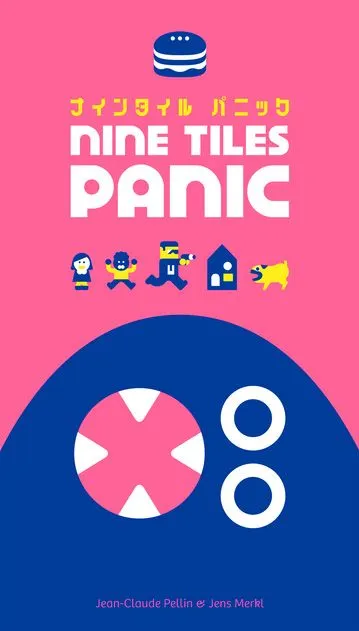
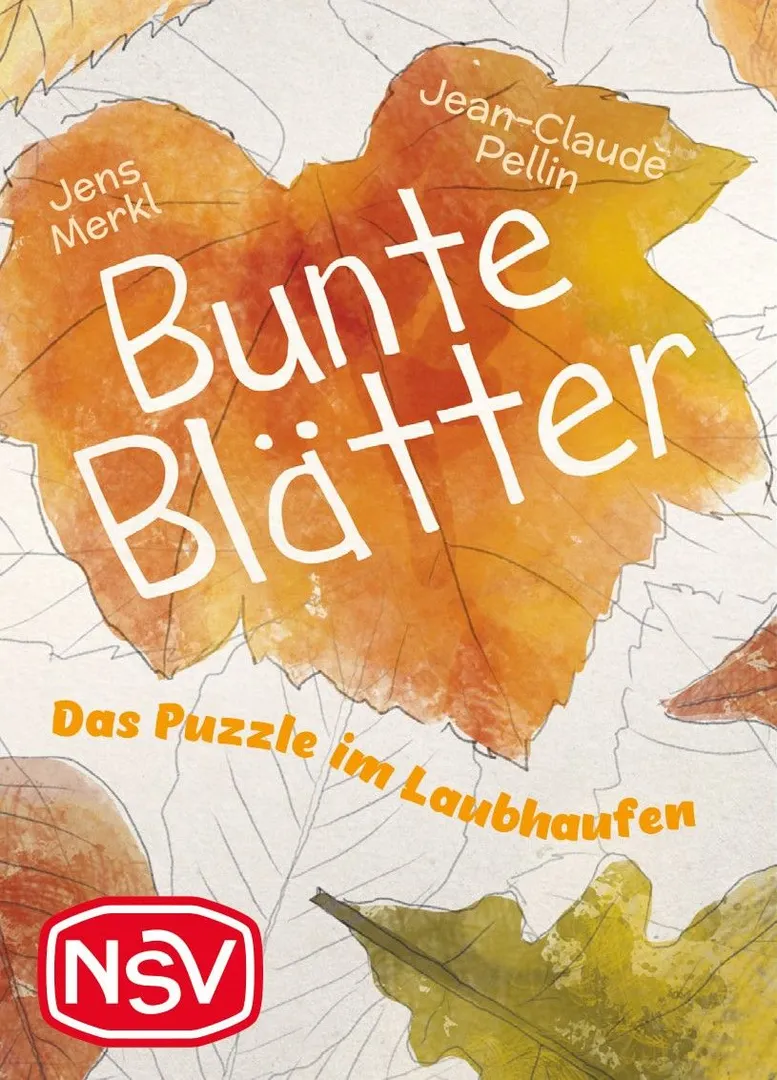
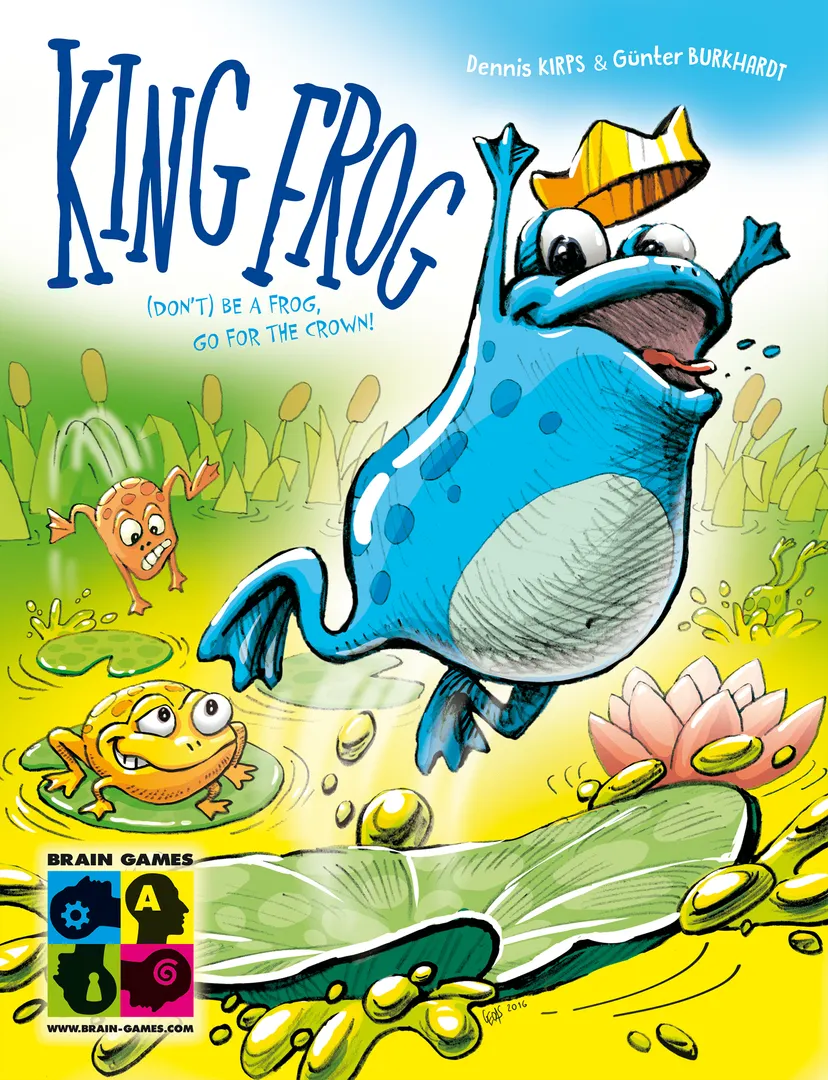



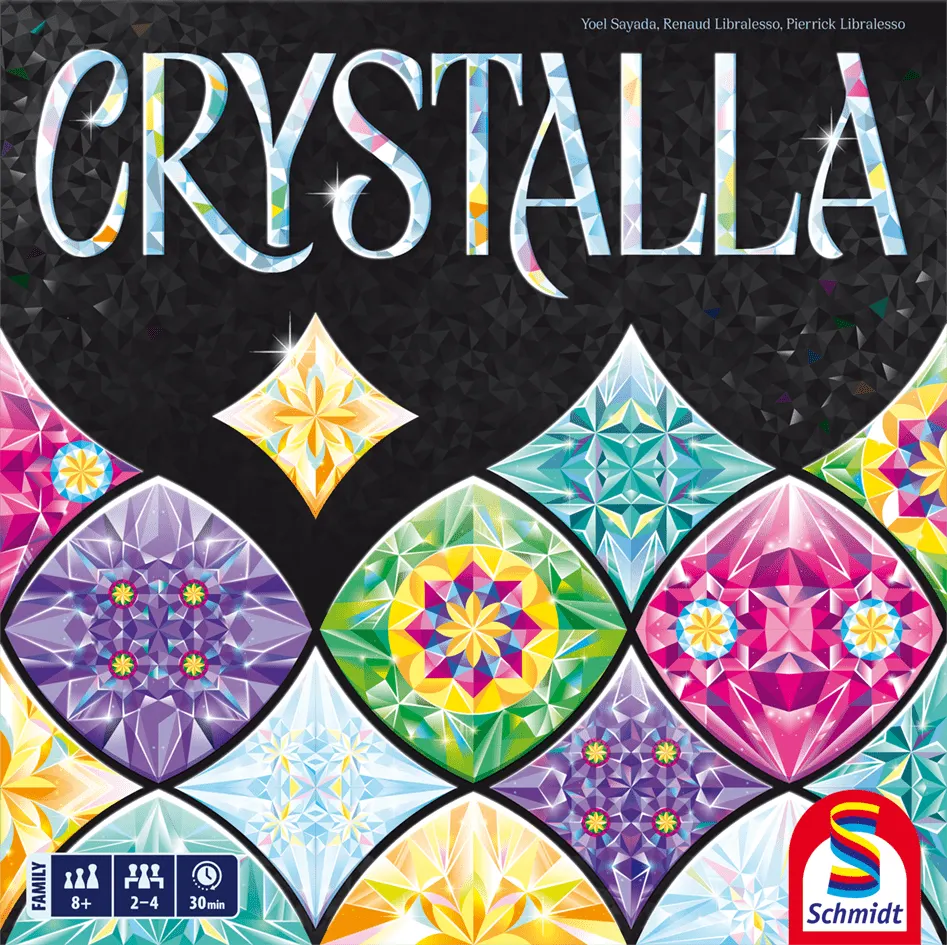
Po angielsku
After a long hike through the woods, you finally find the perfect place to set up your camera — a lush meadow. A green sea of grass rolls gently in the wind, spotted with flowers opening up to morning dew and gentle sunlight, and flocks of butterflies hovering above in a slow, deliberate dance. Light flickers in the golden dust, as you take the first look through your lens and get ready to capture the most beautiful of sights in your photo! Dust in the Wings is a family game of perception, planning, and picturing the beauty of nature. Built on the wisdom of Mancala — a beloved game known for thousands of years — Dust in the Wings creates an experience that is light on rules, engaging in its gameplay, and wondrous to the eye! At the beginning of the game, Butterflies are placed on each flower in the Meadow, a 5×5 grid on the main game board. During each turn, a player attempts to fulfill the requirements of various objectives in order to score victory points. The board is manipulated Mancala style. The active player will choose a single Meadow space and pick up all Butterflies from that space. One by one, these Butterflies are dispersed. The first Butterfly is placed onto any one Meadow space adjacent to the space which the Butterflies were picked up from. The next Butterfly is placed onto any one Meadow space adjacent to that space, and so on. The goal is to place the last Butterfly onto a Meadow space so that the space fulfills the requirement of a Gathering objective or Composition objective. A Gathering objective is fulfilled by gathering a precise number and types of Butterflies onto a single space in the Meadow. A Composition objective is fulfilled by having a group of spaces that collectively contain a number of Butterflies indicated on the cards. The group of spaces must also match a distinct shape and size depicted on the card. Even if you managed to fulfill the requirements of multiple cards, only one card may be scored each turn. At the end of the game, a player's score is calculated. Each Composition card is worth a number of points as indicated on the card. The values of various Scoring markers, which were collected when completing Gathering objectives, are also added to the final tally. The player with the most points is the winner! —description from the publisher
Według katalogu Dust in the Wings obsługuje od 2 do 4 graczy. Ten zakres odpowiada liczbie graczy podanej przez wydawcę, więc grę można przygotować dla dowolnej grupy w jego granicach. Przygotowanie, niektóre zasady i punktacja mogą jednak różnić się w zależności od liczby graczy; dokładną konfigurację sprawdź w instrukcji swojego wydania.
Podany czas rozgrywki w Dust in the Wings wynosi 30 minut. To szacunek wydawcy dla pełnej partii. Rzeczywisty czas zależy od grupy, liczby graczy i znajomości zasad: pierwsze partie zwykle trwają dłużej, a doświadczone grupy kończą szybciej. Przygotowanie gry i tłumaczenie zasad nie są wliczone w ten szacunek.
Katalog podaje dla Dust in the Wings wiek od 10 lat. To zalecenie wydawcy, które uwzględnia wymagania dotyczące czytania, złożoność zasad i drobne elementy, a nie tylko tematykę. Młodsi gracze często mogą dołączyć z pomocą dorosłego; sprawdź zalecenie wiekowe swojego wydania i weź pod uwagę doświadczenie grupy z grami planszowymi.
Dust in the Wings ma ocenę złożoności 1,4 na 5 według graczy BoardGameGeek, co czyni ją grą lekką. Ocena pokazuje, ile znajomości zasad, planowania i podejmowania decyzji wymaga typowa rozgrywka. Cięższe gry wymagają dłuższego pierwszego tłumaczenia, dlatego przed wieczorem z grami warto skorzystać z przewodnika przygotowania.
Dust in the Wings należy do tych kategorii: Animals i Abstract Strategy. Główne mechaniki to Pattern Building, Pattern Recognition i Mancala. Kategorie opisują temat i świat gry, a mechaniki to, co gracze faktycznie robią w swojej turze. Każda mechanika prowadzi do strony katalogu z podobnymi grami, co pomaga znaleźć coś porównywalnego na kolejny wieczór.
Autorzy wymienieni przy Dust in the Wings to: Jean-Claude Pellin, Dennis Kirps i Christian Kruchten. Te informacje pochodzą z opublikowanych danych gry i wskazują osoby odpowiedzialne za jej projekt, a nie ilustratorów czy wydawców. Strony autorów w MeepleRules zbierają inne tytuły tych samych twórców, co pomaga, gdy gra ci się podoba i szukasz podobnych.
W katalogu Dust in the Wings figuruje jako gra podstawowa. Można w nią grać samodzielnie, korzystając z elementów z pudełka, bez żadnego innego tytułu. Dodatki, jeśli istnieją, dokładają nową zawartość lub zasady i są wymienione w katalogu osobno, z odnośnikiem do tej gry podstawowej.