

- Ocena BGG
- 8,7
Elfball: 2 Minute Warning
- 2 graczy
- 60 min
- Złożoność 2,7/5
- 2010
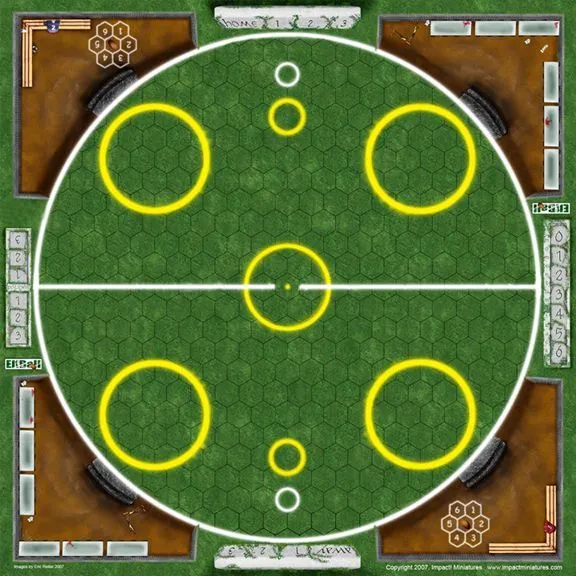
2007
Pomoc w zasadach gry ElfBall
Zrozumiałe wyjaśnienia tur, efektów kart i spornych sytuacji z odnośnikami do oficjalnych źródeł i zapisaną historią pytań.
Dla 2 graczy
Co chcesz wiedzieć?
Odpowiedzi pochodzą z oficjalnej instrukcji, ze stroną do sprawdzenia.
ElfBall to gra planszowa wydana w 2007 roku dla 2 graczy i z rozgrywką trwającą 75 minut. Projekt gry: Phil Bowen, Tom Anders, Max Haider i Eric Reiter. Główne mechaniki: Dice Rolling, Hexagon Grid i Simulation.

Po angielsku
From the designer: ElfBall is rich in tactical stimulation, but streamlined in play. It's the kind of game for those nights when you'd like to play something, but don't want to commit to a traditional fantasy sports simulation. One of the great mysteries of the sport of Elfball is just where it began, and how it got its name. The Elves of the vast forests of the Westerlands claim to have been playing the sport since the dawn of time, and that they named it in honor of themselves. The Dwarves and Orcs, high in their mountain homes, dispute this bold claim and insist that the game’s name instead refers to the type of severed head that makes the best ball core; both races maintain that they are in fact the originators and some of the bloodiest wars in the history of the realms have been fought over this claim. The men of the Middle Kingdoms ignore the squabbles of the elder races and call the game De Circque instead. Today Elfball is played by every nation and tribe of the world, and with a few regional variations, it is played the same on fields throughout The Realms. The design of the field, the distinctive ball, and the rules of play are all quite standardized. This game was prototyped in 2002 by Phigs Miniatures but did not see production until the game rules were overhauled and changed about 80% from the prototype and then released by Impact! Miniatures in 2007.
Według katalogu ElfBall obsługuje 2 graczy. To liczba graczy podana przez wydawcę, więc gra jest zaprojektowana dokładnie dla takiej liczby uczestników. Warianty dla grup innej wielkości, jeśli w ogóle istnieją, opisano w instrukcji twojego wydania; sprawdź ją uważnie, zanim przygotujesz inną konfigurację stołu.
Podany czas rozgrywki w ElfBall wynosi 75 minut. To szacunek wydawcy dla pełnej partii. Rzeczywisty czas zależy od grupy, liczby graczy i znajomości zasad: pierwsze partie zwykle trwają dłużej, a doświadczone grupy kończą szybciej. Przygotowanie gry i tłumaczenie zasad nie są wliczone w ten szacunek.
ElfBall ma ocenę złożoności 2,9 na 5 według graczy BoardGameGeek, co czyni ją grą raczej lekką. Ocena pokazuje, ile znajomości zasad, planowania i podejmowania decyzji wymaga typowa rozgrywka. Cięższe gry wymagają dłuższego pierwszego tłumaczenia, dlatego przed wieczorem z grami warto skorzystać z przewodnika przygotowania.
ElfBall należy do tych kategorii: Fantasy, Miniatures i Sports. Główne mechaniki to Dice Rolling, Hexagon Grid i Simulation. Kategorie opisują temat i świat gry, a mechaniki to, co gracze faktycznie robią w swojej turze. Każda mechanika prowadzi do strony katalogu z podobnymi grami, co pomaga znaleźć coś porównywalnego na kolejny wieczór.
Autorzy wymienieni przy ElfBall to: Phil Bowen, Tom Anders, Max Haider i Eric Reiter. Te informacje pochodzą z opublikowanych danych gry i wskazują osoby odpowiedzialne za jej projekt, a nie ilustratorów czy wydawców. Strony autorów w MeepleRules zbierają inne tytuły tych samych twórców, co pomaga, gdy gra ci się podoba i szukasz podobnych.
W katalogu ElfBall figuruje jako gra podstawowa. Można w nią grać samodzielnie, korzystając z elementów z pudełka, bez żadnego innego tytułu. Dodatki, jeśli istnieją, dokładają nową zawartość lub zasady i są wymienione w katalogu osobno, z odnośnikiem do tej gry podstawowej.