
- Ocena BGG
- 7,0
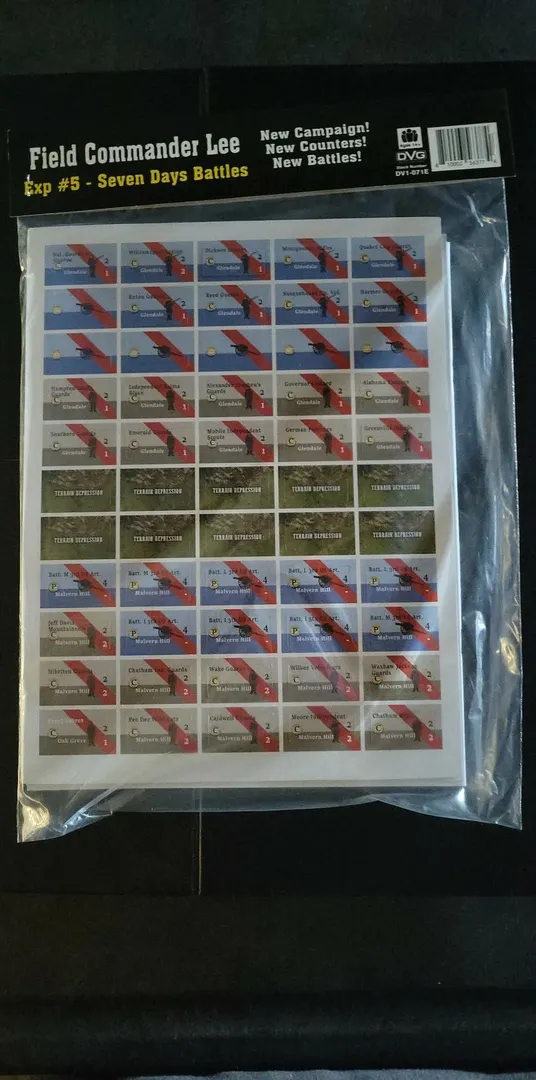
Field Commander: Robert E. Lee – Seven Days Battles Battle Pack
- 1 gracz
- 2024

2025
Pomoc w zasadach gry Field Commander: Robert E. Lee
Zrozumiałe wyjaśnienia tur, efektów kart i spornych sytuacji z odnośnikami do oficjalnych źródeł i zapisaną historią pytań.
Dla 1 gracza
Co chcesz wiedzieć?
Odpowiedzi pochodzą z oficjalnej instrukcji, ze stroną do sprawdzenia.
Field Commander: Robert E. Lee to gra planszowa wydana w 2025 roku dla 1 gracza, z rozgrywką trwającą 180 minut i dla osób od 14 lat. Projekt gry: Vincent Cooper. Główne mechaniki: Area Movement, Dice Rolling i Simulation.









Po angielsku
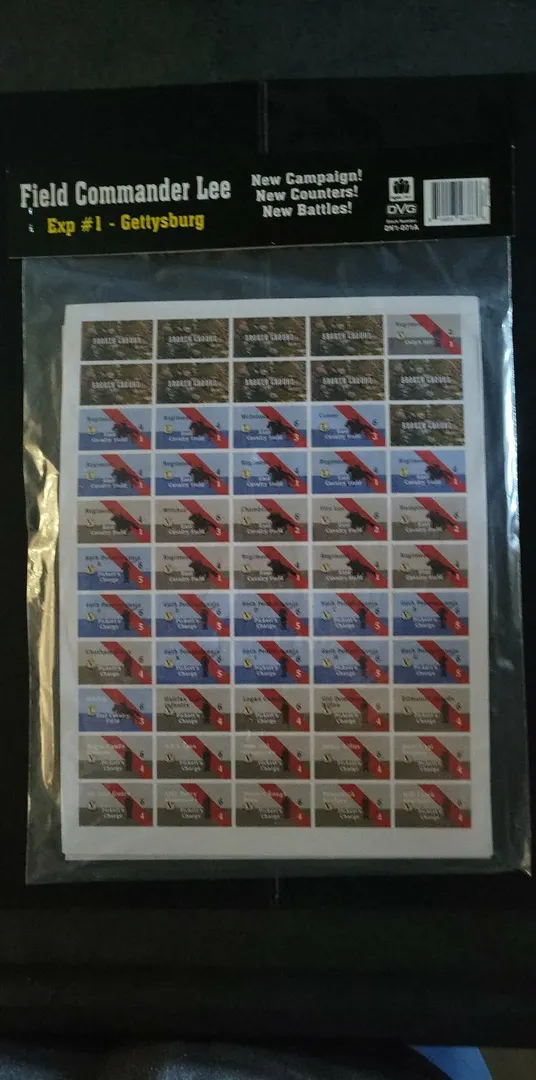
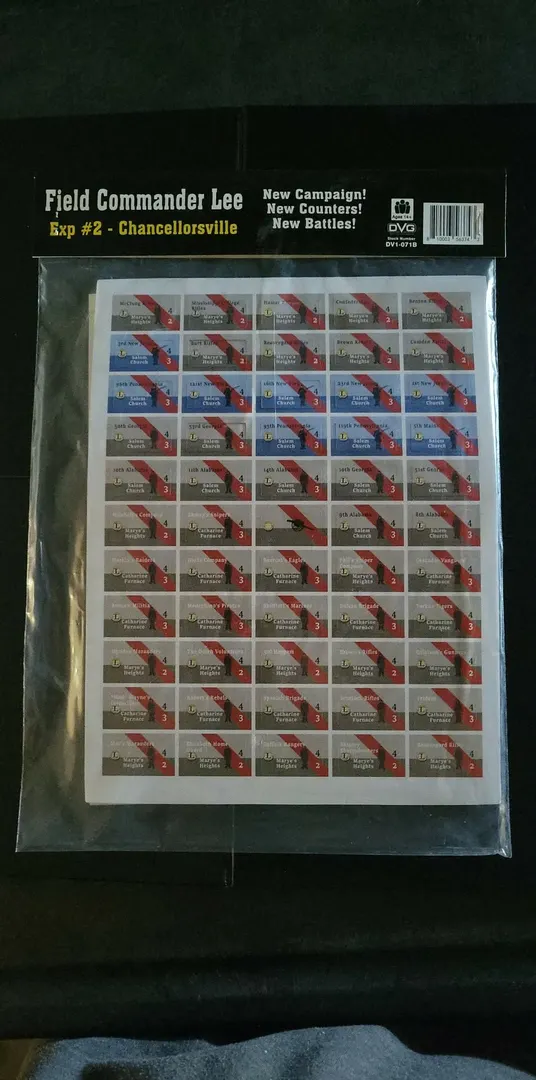
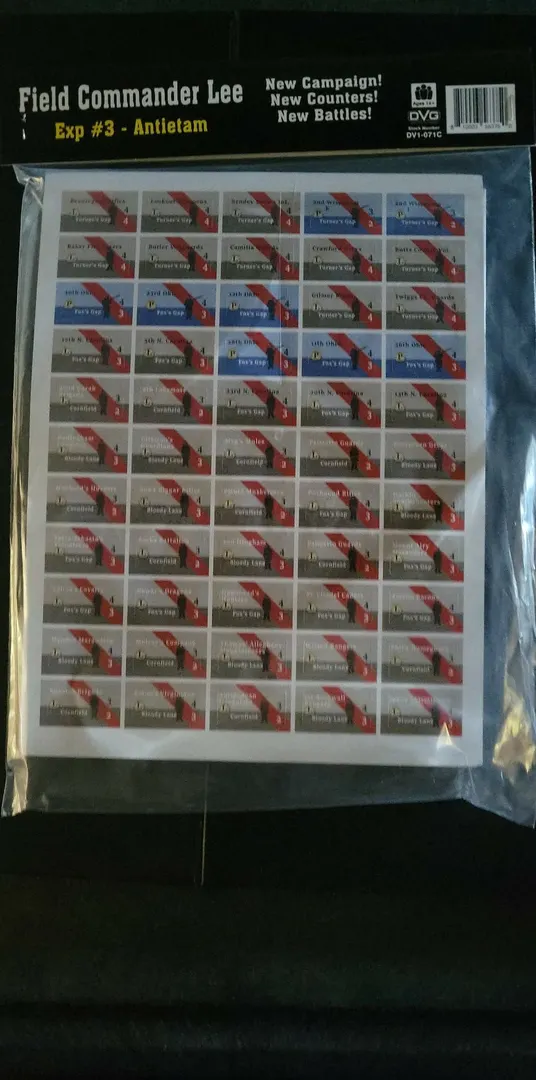
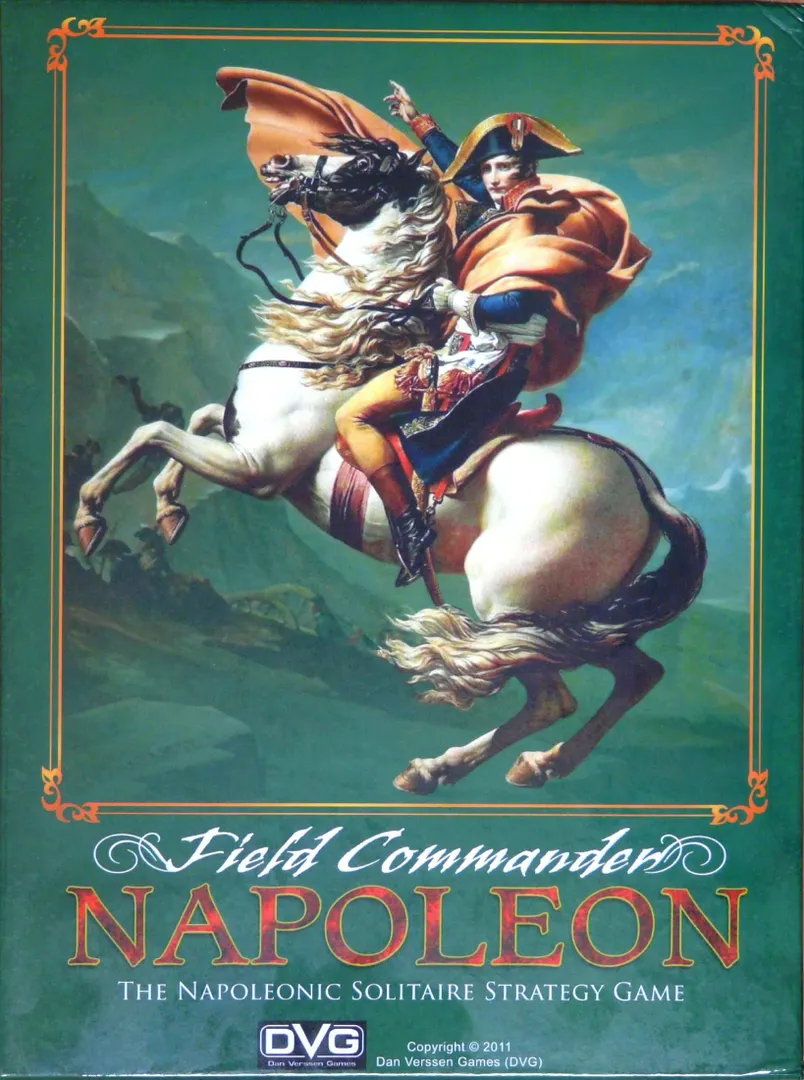
Field Commander - Robert E. Lee builds on the design and gameplay of Field Commander - Napoleon to put the player firmly in control of the Army of Northern Virginia during the American Civil War, with the Union forces controlled by an AI. Fight in 5 Campaigns Seven Days Battles Second Manassas Antietam Chancellorsville Gettysburg Field Commander - Robert E. Lee is based on the Field Commander - Napoleon design, with some important differences and developments. Difficulty Levels: The player may choose to tailor his experience of Field Commander Robert E. Lee by modifying the Difficulty Level between Regular, Hard and Veteran. There are various ways the difficulty level can affect the game and the player can choose one or more effects, or mix different Difficulty Levels to produce different effects. For example, the player could choose to use the Regular Fog of War table, combined with the Hard Command Points option and the Veteran Special Rules of a particular campaign. Scout Counters: Greater availability and use of Scout counters to create decision-heavy gameplay and the manner in which cavalry were employed on the battlefield during the American Civil War as compared to the Napoleonic era. Command Points: Command Points replace Supply Points. Command Points are used in a similar manner however, but represent reforming broken Forces or calling to arms odd Brigades and Regiments that are marching on different roads. Command Points can also be accumulated when a Force reaches certain Regions on the Battlefield Sheet and reflect greater morale. Union Orders: Each Campaign map includes a Battle Area, which is distinct from the rest of the game board (you can see it described with red borders on the sample map art). Union Forces follow Campaign Map Orders until they enter the Battle Area, at which point the Battle Area Orders table is followed. This simulates more carefully the Union actions once battle commenced properly. Union Tactics: Aggressive vs Defensive. No more sitting at the back of the Battlefield sheet blasting the advancing enemy. The Union AI will only attack when the odds are in its favor. Special Battle Plans: An expanded range of Special Battle Plans for the Union AI to use that simulate combat in the ACW. The Union AI will now only charge en masse, while Flanking Fire and Hidden March threaten the rear of the Confederate army. No place on the battlefield is safe! Capturing Artillery: Rather than Destroy artillery, both the Confederate player and the Union AI will instead capture 'abandoned' artillery and use the cannon to their own advantage. Historically this was especially important to the Confederates who suffered at the hands of superior Union guns and ammunition. Artillery Range Attenuation: The further away the target, the less effective the artillery! Each Campaign introduces detailed Special Rules that highlight the key events, features and commander personalities of each battle. —description from the publisher
Według katalogu Field Commander: Robert E. Lee obsługuje 1 gracza. To liczba graczy podana przez wydawcę, więc gra jest zaprojektowana dokładnie dla takiej liczby uczestników. Warianty dla grup innej wielkości, jeśli w ogóle istnieją, opisano w instrukcji twojego wydania; sprawdź ją uważnie, zanim przygotujesz inną konfigurację stołu.
Podany czas rozgrywki w Field Commander: Robert E. Lee wynosi 180 minut. To szacunek wydawcy dla pełnej partii. Rzeczywisty czas zależy od grupy, liczby graczy i znajomości zasad: pierwsze partie zwykle trwają dłużej, a doświadczone grupy kończą szybciej. Przygotowanie gry i tłumaczenie zasad nie są wliczone w ten szacunek.
Katalog podaje dla Field Commander: Robert E. Lee wiek od 14 lat. To zalecenie wydawcy, które uwzględnia wymagania dotyczące czytania, złożoność zasad i drobne elementy, a nie tylko tematykę. Młodsi gracze często mogą dołączyć z pomocą dorosłego; sprawdź zalecenie wiekowe swojego wydania i weź pod uwagę doświadczenie grupy z grami planszowymi.
Field Commander: Robert E. Lee ma ocenę złożoności 3,8 na 5 według graczy BoardGameGeek, co czyni ją grą ciężką. Ocena pokazuje, ile znajomości zasad, planowania i podejmowania decyzji wymaga typowa rozgrywka. Cięższe gry wymagają dłuższego pierwszego tłumaczenia, dlatego przed wieczorem z grami warto skorzystać z przewodnika przygotowania.
Field Commander: Robert E. Lee należy do tych kategorii: Wargame, Civil War i American Civil War. Główne mechaniki to Area Movement, Dice Rolling i Simulation. Kategorie opisują temat i świat gry, a mechaniki to, co gracze faktycznie robią w swojej turze. Każda mechanika prowadzi do strony katalogu z podobnymi grami, co pomaga znaleźć coś porównywalnego na kolejny wieczór.
Autorzy wymienieni przy Field Commander: Robert E. Lee to: Vincent Cooper. Te informacje pochodzą z opublikowanych danych gry i wskazują osoby odpowiedzialne za jej projekt, a nie ilustratorów czy wydawców. Strony autorów w MeepleRules zbierają inne tytuły tych samych twórców, co pomaga, gdy gra ci się podoba i szukasz podobnych.
W katalogu Field Commander: Robert E. Lee figuruje jako gra podstawowa. Można w nią grać samodzielnie, korzystając z elementów z pudełka, bez żadnego innego tytułu. Dodatki, jeśli istnieją, dokładają nową zawartość lub zasady i są wymienione w katalogu osobno, z odnośnikiem do tej gry podstawowej.