
- Pozycja w BGG
- BGG #20 057
- Ocena BGG
- 6,9
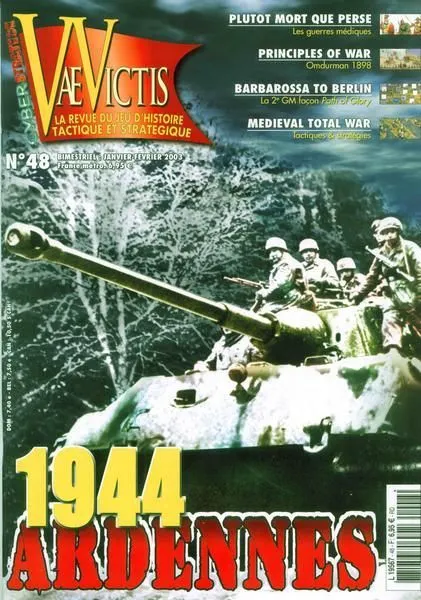
Ardennes 1944
- 2 graczy
- 120 min
- Złożoność 2,5/5
- 2003
2010
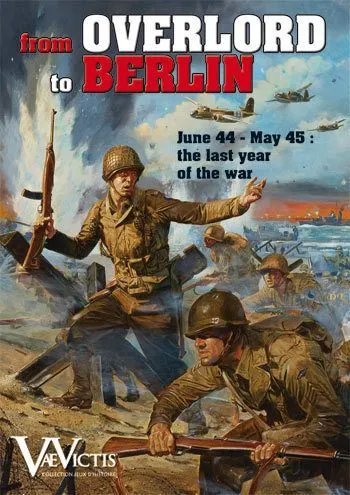
Pomoc w zasadach gry From Overlord to Berlin
Zrozumiałe wyjaśnienia tur, efektów kart i spornych sytuacji z odnośnikami do oficjalnych źródeł i zapisaną historią pytań.
Dla 2 graczy
Co chcesz wiedzieć?
Odpowiedzi pochodzą z oficjalnej instrukcji, ze stroną do sprawdzenia.
From Overlord to Berlin to gra planszowa wydana w 2010 roku dla 2 graczy i z rozgrywką trwającą 360 minut. Projekt gry: Nicolas Stratigos i Luc Olivier. Główne mechaniki: Area Movement i Dice Rolling.


Po angielsku
(from VaeVictis website:) On June 6, 1944, Overlord, the biggest military operation ever launched, began along the Normandy beaches with the landing of two Allied armies. On June 22 in Byelorussia, more than a million Soviet soldiers swept against the German Army Group Centre: the Allied counter-offensive was underway and would not stop until it reached Berlin. From Overlord to Berlin is a strategic wargame that simulates the end of the Second World War in Europe on all fronts: east, west and Italy. One player directs the Axis forces and must resist Allied pressure for as long as possible while the other directs the Soviets and the Western Allies and must wipe out Nazi Germany and its satellites before the end of the game. The simulation begins in June 1944 with the Normandy landings, the fall of Rome in Italy and Operation Bagration in the east. There was still hard fighting ahead including crossing the Rhine and pushing forward into the heart of the Reich, surrounding numerous armies in the Ruhr and reaching the Elbe. In the east, Hitler’s counter-attacks in Hungary and in Poland accomplished nothing against the might of the Russian bear. At the beginning of January, Russian troops attacked along the Vistula and drove the Germans back to the Oder. Budapest fell in February, and Vienna was captured in April. Finally, the offensive on Berlin began in April and the Reich fell at the beginning of May 1945, putting an end to the Second World War in Europe. The cardboard pocket includes : 216 die-cut counters (Units : fronts, armies and army corps) 1 Zone map of Europe from France to USSR, 59 x 40 cm 1 rulebook, 2 player aids French or English Rules and Charts.
Według katalogu From Overlord to Berlin obsługuje 2 graczy. To liczba graczy podana przez wydawcę, więc gra jest zaprojektowana dokładnie dla takiej liczby uczestników. Warianty dla grup innej wielkości, jeśli w ogóle istnieją, opisano w instrukcji twojego wydania; sprawdź ją uważnie, zanim przygotujesz inną konfigurację stołu.
Podany czas rozgrywki w From Overlord to Berlin wynosi 360 minut. To szacunek wydawcy dla pełnej partii. Rzeczywisty czas zależy od grupy, liczby graczy i znajomości zasad: pierwsze partie zwykle trwają dłużej, a doświadczone grupy kończą szybciej. Przygotowanie gry i tłumaczenie zasad nie są wliczone w ten szacunek.
From Overlord to Berlin ma ocenę złożoności 2,2 na 5 według graczy BoardGameGeek, co czyni ją grą raczej lekką. Ocena pokazuje, ile znajomości zasad, planowania i podejmowania decyzji wymaga typowa rozgrywka. Cięższe gry wymagają dłuższego pierwszego tłumaczenia, dlatego przed wieczorem z grami warto skorzystać z przewodnika przygotowania.
From Overlord to Berlin należy do tych kategorii: Wargame i World War II. Główne mechaniki to Area Movement i Dice Rolling. Kategorie opisują temat i świat gry, a mechaniki to, co gracze faktycznie robią w swojej turze. Każda mechanika prowadzi do strony katalogu z podobnymi grami, co pomaga znaleźć coś porównywalnego na kolejny wieczór.
Autorzy wymienieni przy From Overlord to Berlin to: Nicolas Stratigos i Luc Olivier. Te informacje pochodzą z opublikowanych danych gry i wskazują osoby odpowiedzialne za jej projekt, a nie ilustratorów czy wydawców. Strony autorów w MeepleRules zbierają inne tytuły tych samych twórców, co pomaga, gdy gra ci się podoba i szukasz podobnych.
W katalogu From Overlord to Berlin figuruje jako gra podstawowa. Można w nią grać samodzielnie, korzystając z elementów z pudełka, bez żadnego innego tytułu. Dodatki, jeśli istnieją, dokładają nową zawartość lub zasady i są wymienione w katalogu osobno, z odnośnikiem do tej gry podstawowej.