
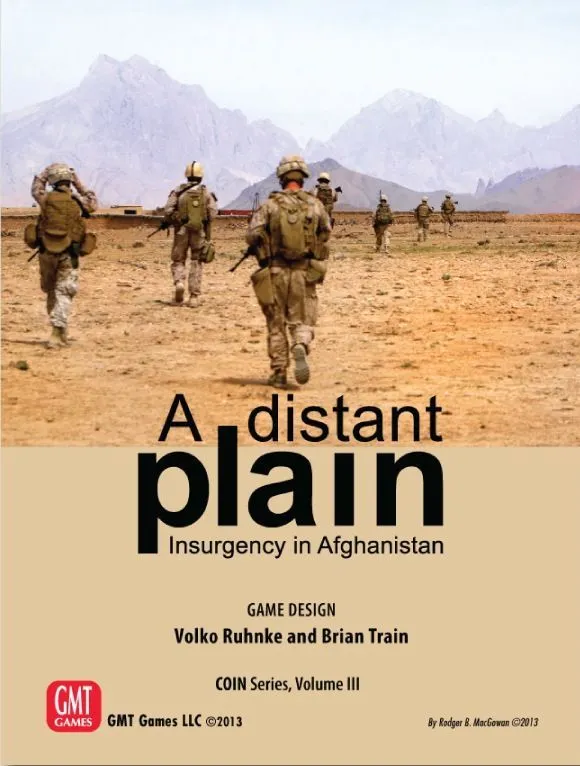
- Pozycja w BGG
- BGG #1397
- Ocena BGG
- 7,8
A Distant Plain
- 1–4 graczy
- 180–300 min
- Złożoność 3,9/5
- 2013
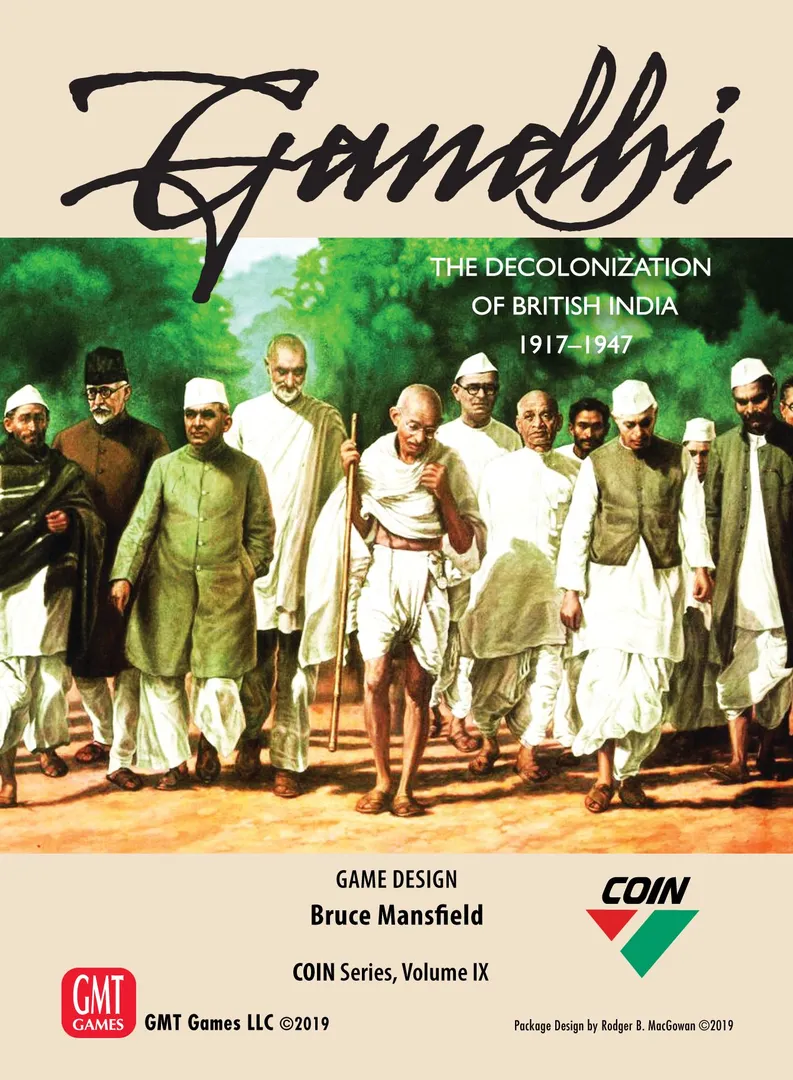
2019
Pomoc w zasadach gry Gandhi: The Decolonization of British India, 1917 – 1947
Zrozumiałe wyjaśnienia tur, efektów kart i spornych sytuacji z odnośnikami do oficjalnych źródeł i zapisaną historią pytań.
Dla 1 gracza
Co chcesz wiedzieć?
Odpowiedzi pochodzą z oficjalnej instrukcji, ze stroną do sprawdzenia.
Gandhi: The Decolonization of British India, 1917 – 1947 to gra planszowa wydana w 2019 roku dla 1–4 graczy, z rozgrywką trwającą 90–240 minut i dla osób od 14 lat. Projekt gry: Bruce Mansfield. Główne mechaniki: Variable Player Powers, Area Movement i Dice Rolling.





Po angielsku
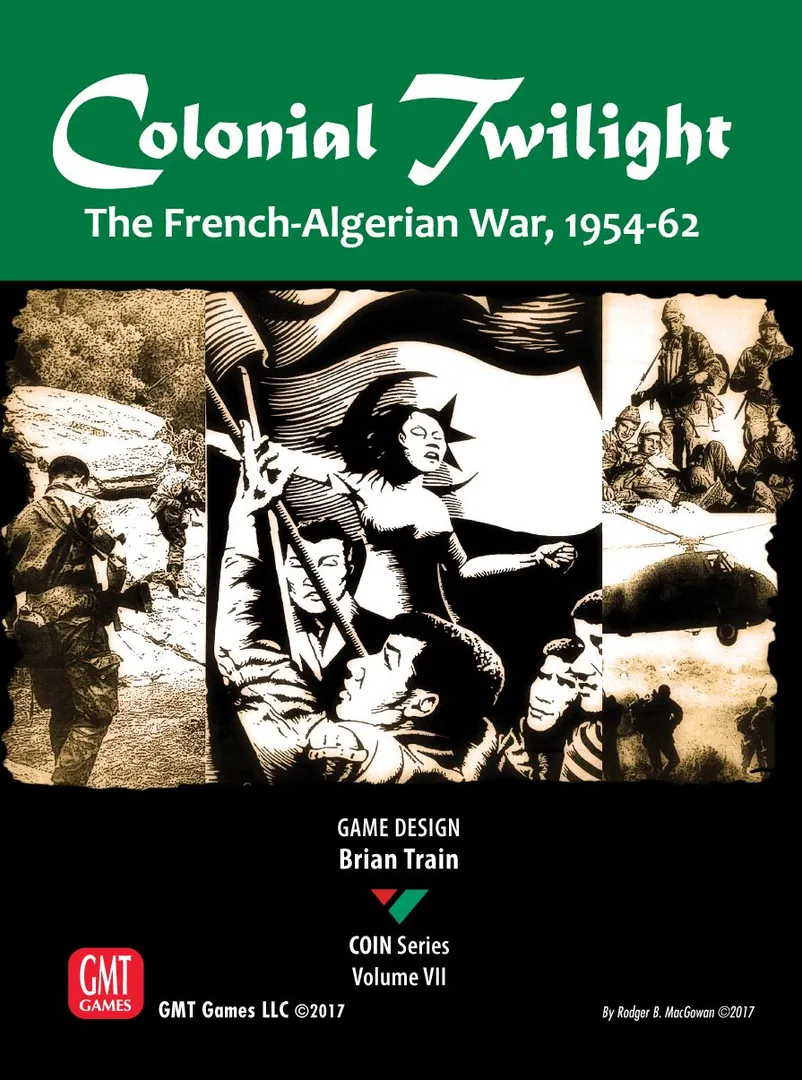
Gandhi: The Decolonization of British India, 1917–1947 is Volume IX in GMT’s acclaimed COIN Series. Exploring one of the world’s most prominent experiments with nonviolent resistance, Gandhi takes us to the subcontinent of India, the jewel in the crown of the British Empire, for a detailed look at the final decades of the British Raj. 1 to 4 players compete to determine the future of India; will the transition to home rule be a peaceful one, will India be split apart by partition or civil war, or will it remain firmly in the grip of empire? Gandhi offers a fresh perspective on the history of insurgency with the addition of a new type of faction to the COIN Series, the Nonviolent (NV) faction, while retaining the multi-faction, asymmetrical, card-assisted system of earlier titles in the COIN Series. COIN veterans will be able to jump right in. Other features include: Gandhi as the game’s sole leader piece. Nonviolent operations and special activities. Nonviolent activists that are always active, but generally immune from Raj actions until engaged in protests (or caught up in post-terror reprisals). Protests that erode support but leave activists vulnerable to arrest by Raj forces. A Hindu-Muslim Unity track that measures tensions between these two communities, affecting resources, operations, and victory. A British Rule track that reflects shifts in colonial policy in response to events on the map, from resolve to restraint, affecting the cost of several actions. British Viceroys who come and go with each passing campaign and have their own unique effects on each faction. An out-of-play jail space that holds nonviolent forces arrested during martial law. Pieces can be kept in jail over several campaigns, but at a cost to the Raj. Independent Princely States that are never controlled by any faction, yet offer a haven for violent and nonviolent insurgents alike. Short and medium-length scenarios that allow for the study of different periods of the struggle against British rule in India. Support for solitaire, 2-player, 3-player, and 4-player games. In Gandhi, players will face a range of difficult and interesting strategic choices. Following in the innovative footsteps of previous COIN titles, Gandhi weaves together historical, political, and cultural threads and offers an opportunity to study nonviolent and violent resistance in one of the most significant colonial possessions from the age of European imperialism. Civil disobedience and non-cooperation, protests and terror, imperialism and constructive programme, growing unrest, negotiation, agitation, assassination, persuasion, boycotts, martial law, and many other options await. “Gandhi made it impossible for us to go on ruling India, but at the same time he made it possible for us to abdicate without rancor and without dishonour.” — British Historian Arnold Toynbee
Według katalogu Gandhi: The Decolonization of British India, 1917 – 1947 obsługuje od 1 do 4 graczy. Ten zakres odpowiada liczbie graczy podanej przez wydawcę, więc grę można przygotować dla dowolnej grupy w jego granicach. Przygotowanie, niektóre zasady i punktacja mogą jednak różnić się w zależności od liczby graczy; dokładną konfigurację sprawdź w instrukcji swojego wydania.
Podany czas rozgrywki w Gandhi: The Decolonization of British India, 1917 – 1947 wynosi 90–240 minut. To szacunek wydawcy dla pełnej partii. Rzeczywisty czas zależy od grupy, liczby graczy i znajomości zasad: pierwsze partie zwykle trwają dłużej, a doświadczone grupy kończą szybciej. Przygotowanie gry i tłumaczenie zasad nie są wliczone w ten szacunek.
Katalog podaje dla Gandhi: The Decolonization of British India, 1917 – 1947 wiek od 14 lat. To zalecenie wydawcy, które uwzględnia wymagania dotyczące czytania, złożoność zasad i drobne elementy, a nie tylko tematykę. Młodsi gracze często mogą dołączyć z pomocą dorosłego; sprawdź zalecenie wiekowe swojego wydania i weź pod uwagę doświadczenie grupy z grami planszowymi.
Gandhi: The Decolonization of British India, 1917 – 1947 ma ocenę złożoności 4,2 na 5 według graczy BoardGameGeek, co czyni ją grą ciężką. Ocena pokazuje, ile znajomości zasad, planowania i podejmowania decyzji wymaga typowa rozgrywka. Cięższe gry wymagają dłuższego pierwszego tłumaczenia, dlatego przed wieczorem z grami warto skorzystać z przewodnika przygotowania.
Gandhi: The Decolonization of British India, 1917 – 1947 należy do tych kategorii: Wargame i Modern Warfare. Główne mechaniki to Variable Player Powers, Area Movement i Dice Rolling. Kategorie opisują temat i świat gry, a mechaniki to, co gracze faktycznie robią w swojej turze. Każda mechanika prowadzi do strony katalogu z podobnymi grami, co pomaga znaleźć coś porównywalnego na kolejny wieczór.
Autorzy wymienieni przy Gandhi: The Decolonization of British India, 1917 – 1947 to: Bruce Mansfield. Te informacje pochodzą z opublikowanych danych gry i wskazują osoby odpowiedzialne za jej projekt, a nie ilustratorów czy wydawców. Strony autorów w MeepleRules zbierają inne tytuły tych samych twórców, co pomaga, gdy gra ci się podoba i szukasz podobnych.
W katalogu Gandhi: The Decolonization of British India, 1917 – 1947 figuruje jako gra podstawowa. Można w nią grać samodzielnie, korzystając z elementów z pudełka, bez żadnego innego tytułu. Dodatki, jeśli istnieją, dokładają nową zawartość lub zasady i są wymienione w katalogu osobno, z odnośnikiem do tej gry podstawowej.