
- Pozycja w BGG
- BGG #2739
- Ocena BGG
- 6,7
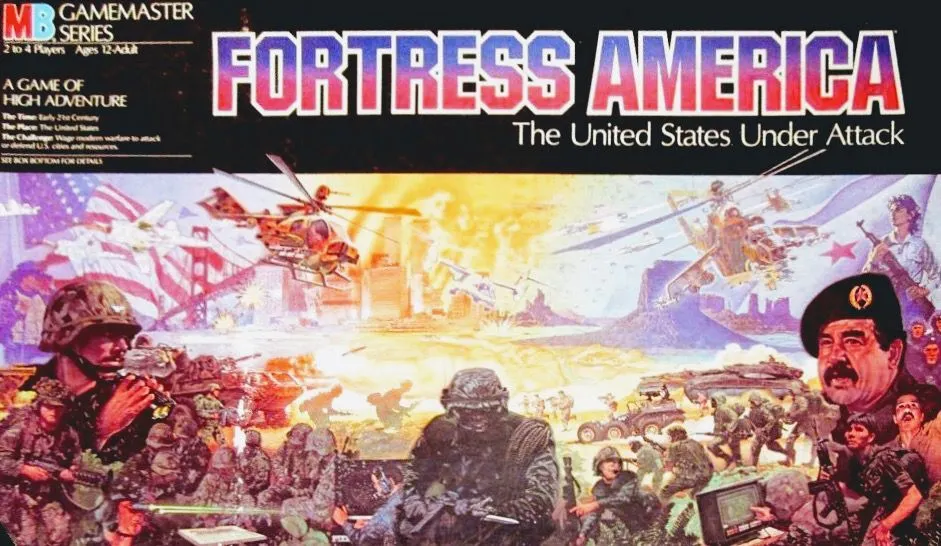
Fortress America
- 2–4 graczy
- 180 min
- Złożoność 2,6/5
- 1986
1986
Pomoc w zasadach gry Ikusa
Zrozumiałe wyjaśnienia tur, efektów kart i spornych sytuacji z odnośnikami do oficjalnych źródeł i zapisaną historią pytań.
Dla 2 graczy
Co chcesz wiedzieć?
Odpowiedzi pochodzą z oficjalnej instrukcji, ze stroną do sprawdzenia.
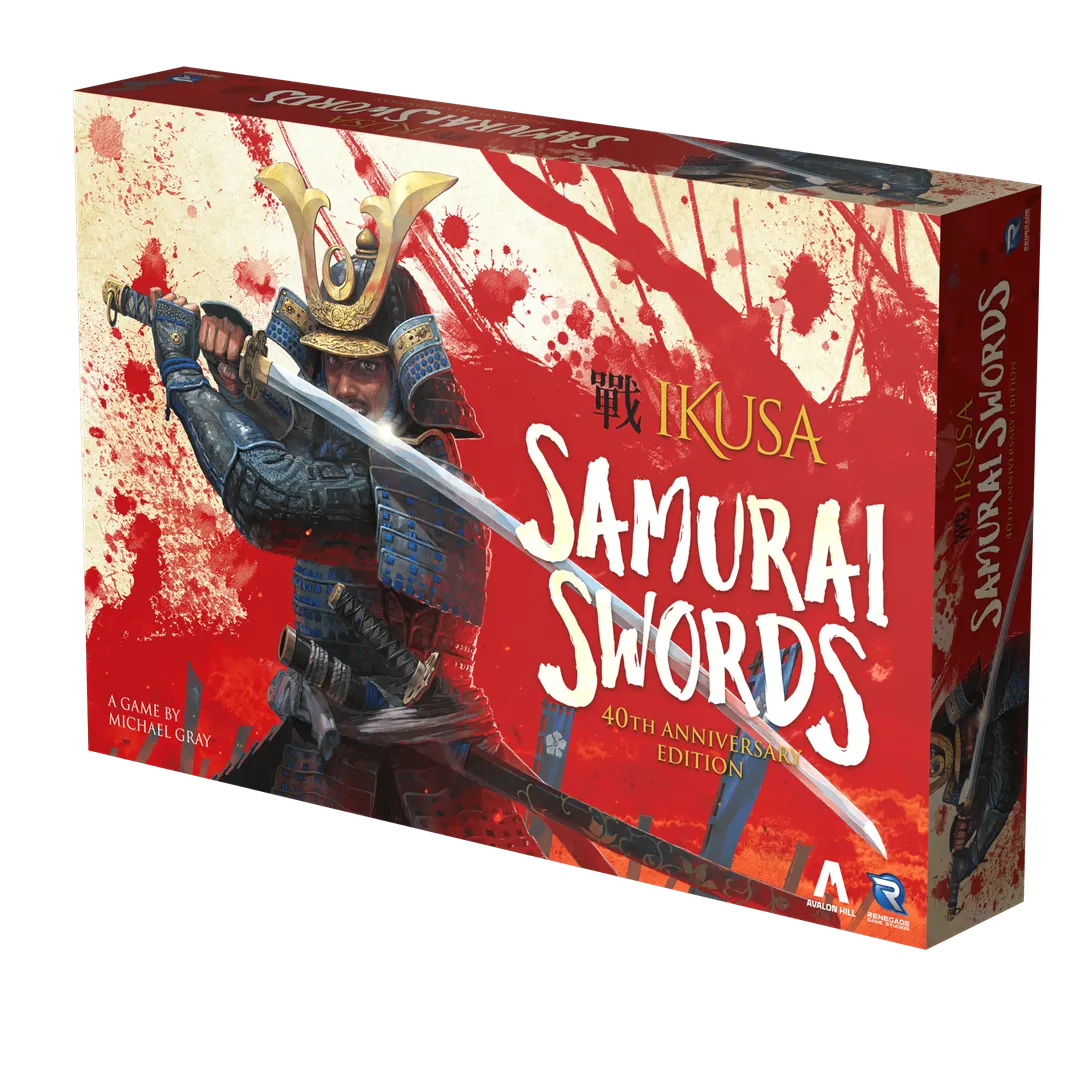
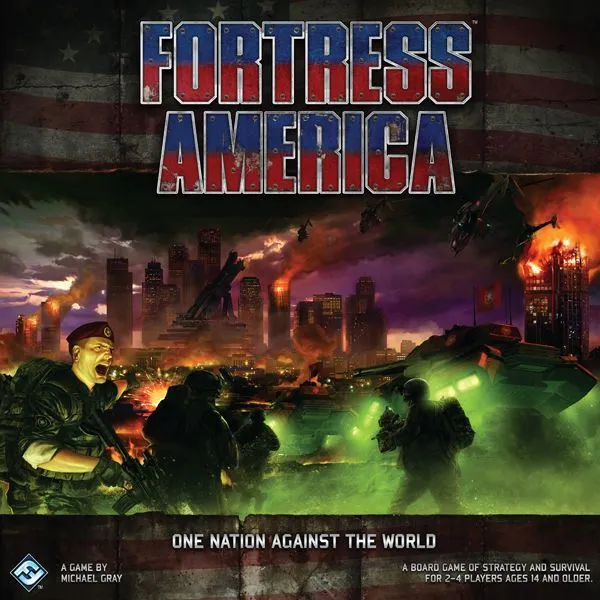
Ikusa to gra planszowa wydana w 1986 roku dla 2–5 graczy, z rozgrywką trwającą 240–360 minut i dla osób od 12 lat. Projekt gry: Michael Gray. Główne mechaniki: Auction / Bidding, Area Movement i Dice Rolling.


Po angielsku
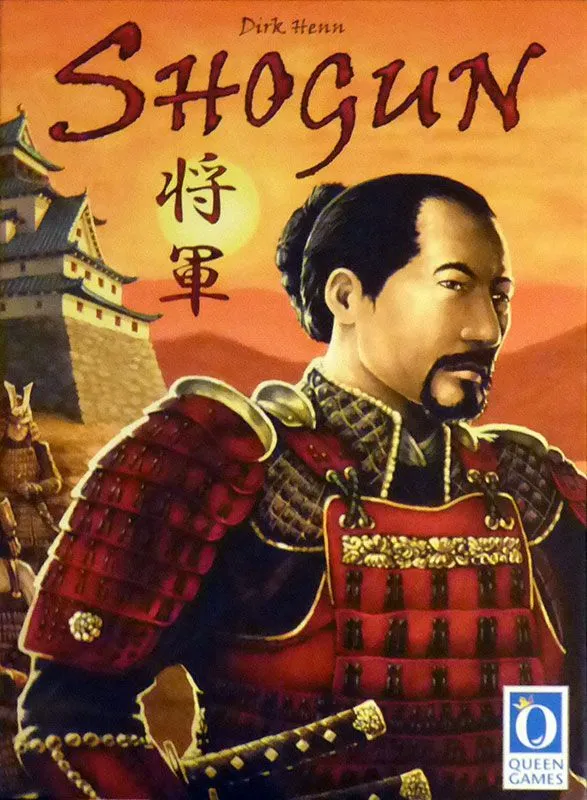
Ikusa focuses on the chaotic feudal society of Japan during the Middle Ages. Players play one of several factions that erupt into a civil war, trying to consolidate their strongholds and then defeat other armies for the right to be called Shogun, the supreme ruler. In the game, players command forces on islands of feudal Japan. Player forces include provincial forces in the provinces and mobile armies commanded by daimyos. In each turn, players will allocate their koku into bids and purchases for the round. The round begins with the allocation of turn order, which is determined by bid, and in the case of tied bids, by player agreement or random draw. Then players other bids and payments are accounted for in purchases of castles and fortresses, drafting of new troops and ronin, and a bid for the lone ninja. Following the bids phase, players in turn order plan and execute attacks against enemy territories, with attacks resolved through die rolls. A player wins the game when he or she has captured a certain number of territories, either via straight conquest or by vanquishing the last of an opponent's diamyos and taking over that player's forces. The game was originally published as Shogun and was later changed to Samurai Swords due to a name conflict with James Clavell's Shogun. Ikusa is the latest iteration of the game.
Według katalogu Ikusa obsługuje od 2 do 5 graczy. Ten zakres odpowiada liczbie graczy podanej przez wydawcę, więc grę można przygotować dla dowolnej grupy w jego granicach. Przygotowanie, niektóre zasady i punktacja mogą jednak różnić się w zależności od liczby graczy; dokładną konfigurację sprawdź w instrukcji swojego wydania.
Podany czas rozgrywki w Ikusa wynosi 240–360 minut. To szacunek wydawcy dla pełnej partii. Rzeczywisty czas zależy od grupy, liczby graczy i znajomości zasad: pierwsze partie zwykle trwają dłużej, a doświadczone grupy kończą szybciej. Przygotowanie gry i tłumaczenie zasad nie są wliczone w ten szacunek.
Katalog podaje dla Ikusa wiek od 12 lat. To zalecenie wydawcy, które uwzględnia wymagania dotyczące czytania, złożoność zasad i drobne elementy, a nie tylko tematykę. Młodsi gracze często mogą dołączyć z pomocą dorosłego; sprawdź zalecenie wiekowe swojego wydania i weź pod uwagę doświadczenie grupy z grami planszowymi.
Ikusa ma ocenę złożoności 3,0 na 5 według graczy BoardGameGeek, co czyni ją grą raczej lekką. Ocena pokazuje, ile znajomości zasad, planowania i podejmowania decyzji wymaga typowa rozgrywka. Cięższe gry wymagają dłuższego pierwszego tłumaczenia, dlatego przed wieczorem z grami warto skorzystać z przewodnika przygotowania.
Ikusa należy do tych kategorii: Wargame, Territory Building i Medieval. Główne mechaniki to Auction / Bidding, Area Movement i Dice Rolling. Kategorie opisują temat i świat gry, a mechaniki to, co gracze faktycznie robią w swojej turze. Każda mechanika prowadzi do strony katalogu z podobnymi grami, co pomaga znaleźć coś porównywalnego na kolejny wieczór.
Autorzy wymienieni przy Ikusa to: Michael Gray. Te informacje pochodzą z opublikowanych danych gry i wskazują osoby odpowiedzialne za jej projekt, a nie ilustratorów czy wydawców. Strony autorów w MeepleRules zbierają inne tytuły tych samych twórców, co pomaga, gdy gra ci się podoba i szukasz podobnych.
W katalogu Ikusa figuruje jako gra podstawowa. Można w nią grać samodzielnie, korzystając z elementów z pudełka, bez żadnego innego tytułu. Dodatki, jeśli istnieją, dokładają nową zawartość lub zasady i są wymienione w katalogu osobno, z odnośnikiem do tej gry podstawowej.