
- Pozycja w BGG
- BGG #6543
- Ocena BGG
- 7,5
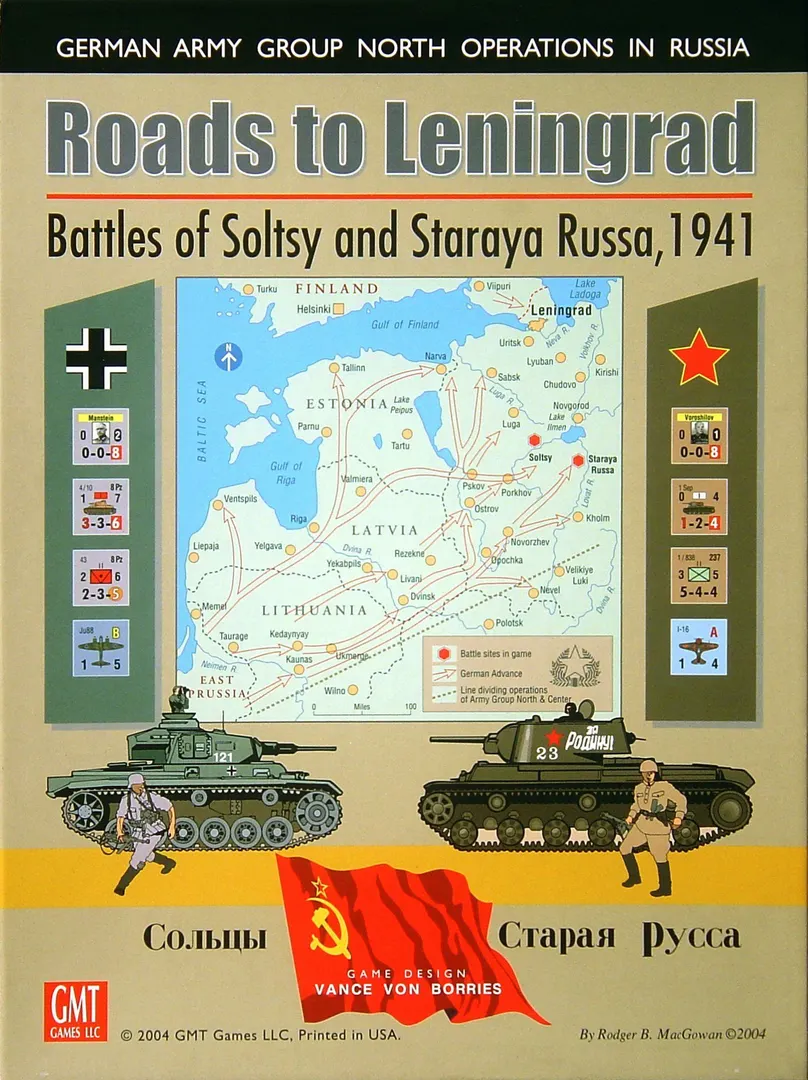
Roads to Leningrad: Battles of Soltsy and Staraya Russa, 1941
- 1–2 graczy
- Złożoność 3,4/5
- 2004
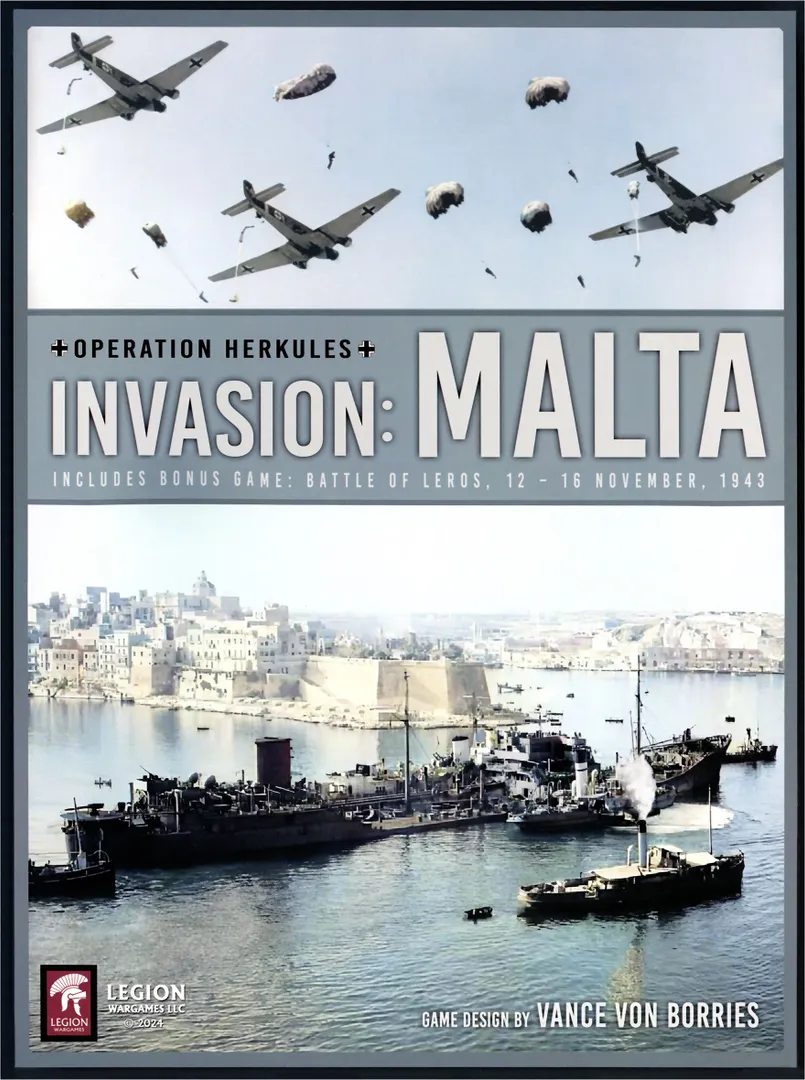
2024
Pomoc w zasadach gry Invasion: Malta
Zrozumiałe wyjaśnienia tur, efektów kart i spornych sytuacji z odnośnikami do oficjalnych źródeł i zapisaną historią pytań.
Dla 2 graczy
Co chcesz wiedzieć?
Odpowiedzi pochodzą z oficjalnej instrukcji, ze stroną do sprawdzenia.
Invasion: Malta to gra planszowa wydana w 2024 roku dla 2 graczy. Projekt gry: Vance von Borries. Główne mechaniki: Dice Rolling, Hexagon Grid i Chit-Pull System.
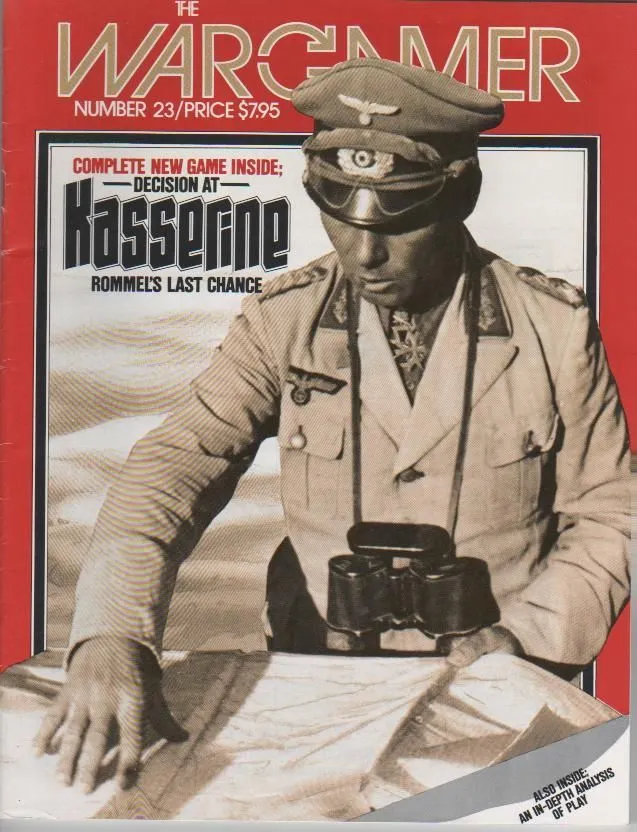
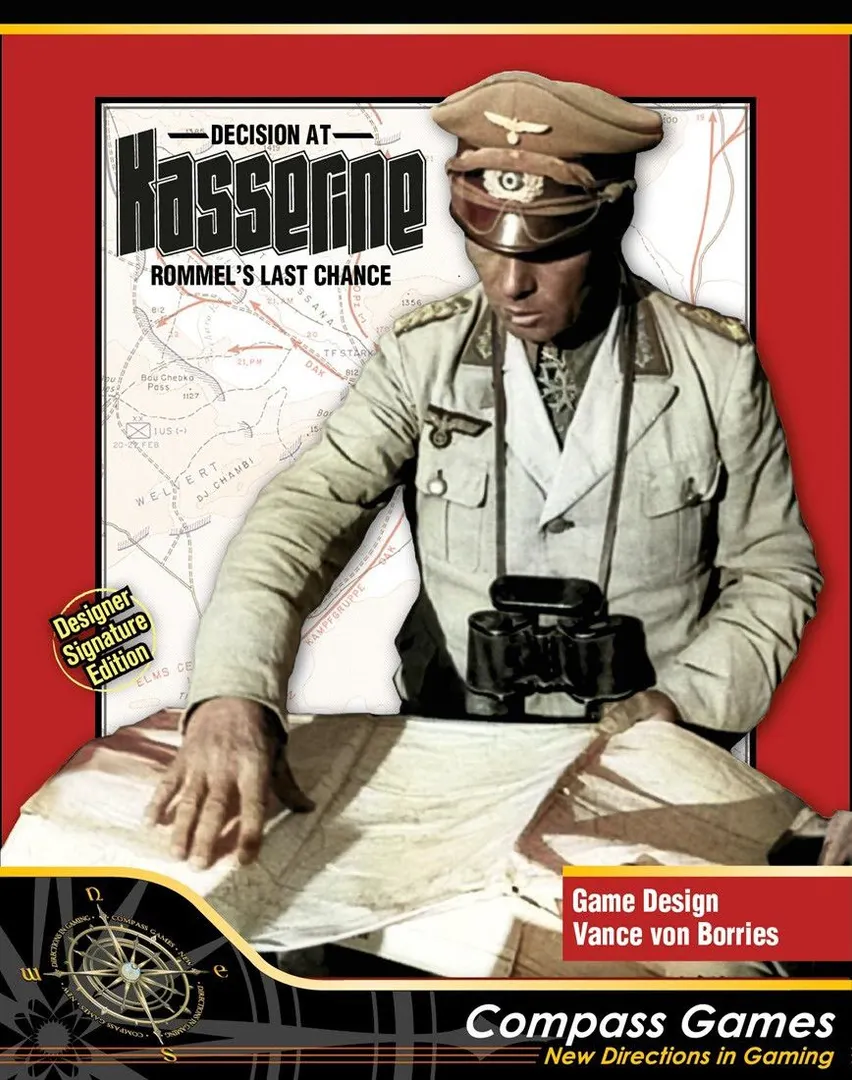
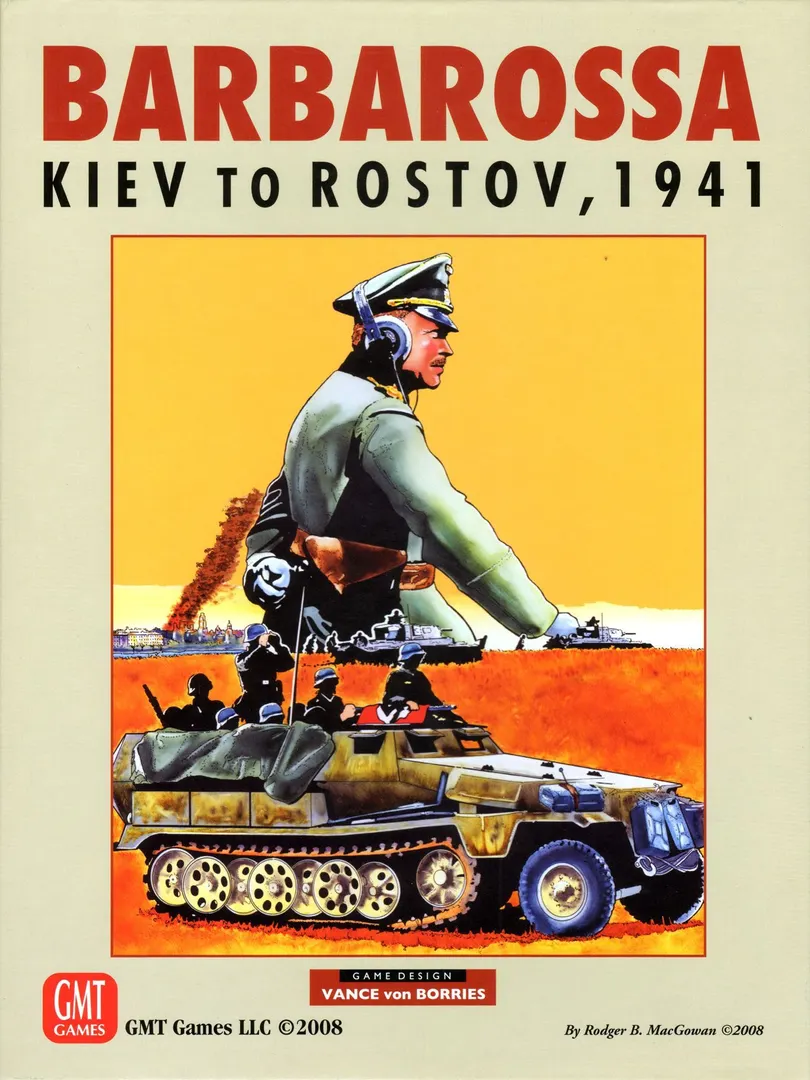
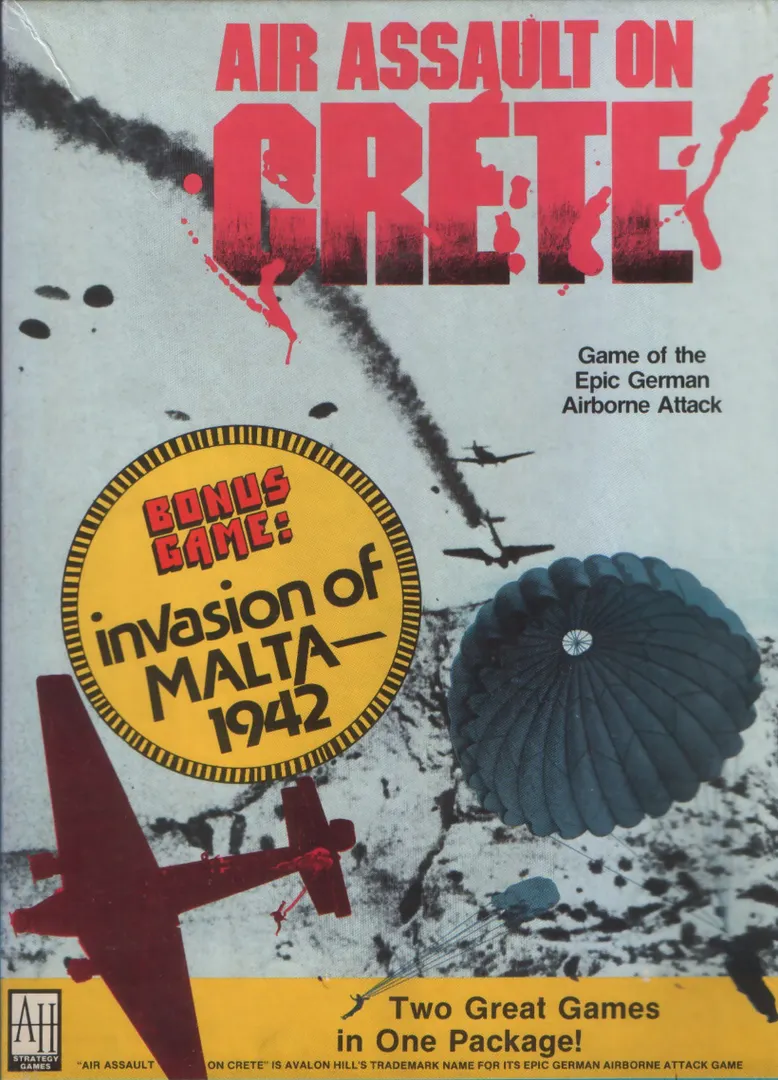
Po angielsku
Invasion: Malta uses many familiar game mechanics found in similar scale wargames. Featured here are chit draws for activation of formations and individual unit efficiency ratings. The Axis player uses amphibious landings and airdrops to bring his units into the battle while the Allied player defends with artillery bombardment from behind heavy fortifications. As you might expect, the game includes the highest quality OoB for both sides for each scenarios; we really dug into various national archives for this game. All scenarios stop after only a few days of campaigning as it is during this time that the battle would be decided. Our hobby has perhaps a unique ability to explore the great questions of events in history. Here, what if during WWII the Axis actually invaded Malta. Who would win? The answer turns on many additional questions and circumstances. This two-player game explores several of these in three scenarios plus the bonus game covering the historical invasion of Leros. Fall 1940: The Italians had big talk and many objectives during the war but not enough realistic plans. Perhaps the best time for their invasion would be in the fall, and perhaps timed along with the German invasion of Britain; or, if the Germans do not invade, then perhaps in place of the actual Italian invasion of Greece. Operational plans for Malta were poor but British defenses are weak. Perhaps the Italians could catch the British not reacting in time. Spring 1941: In April 1941 the Axis had a choice, either occupy Crete or attack Malta. On April 21st Gen. Student, chief of the paratroopers, overcame opposition from the Wehrmacht Operations Staff, and others, in Berlin and persuaded Hitler to attack Crete. But, what if Hitler accepted the alternative recommendation to attack Malta? The Germans and Italians would now have to prepare for a combined operation, air, land, and sea, and do this quickly. The forces arrayed against Malta would have been huge, but the British were far better prepared than a year before and well fortified. The bloody issue would have been in doubt from the start. Summer 1942: After a over year of preparation and study and agreement on the need to invade, the combined German and Italian staffs had put together an extensive and complex plan for invasion. Its success depended on many factors and lessons had been learned from the battle for Crete the year before had been put into effect. All was as ready as it could be, yet they did not invade. The British were stronger in numbers and weapons but their efficiency was down due to the long siege. Was it just Hitler’s nervousness about such an unusual Axis operation, or was it the allure of bigger victories elsewhere? November 1943, Leros: The possibility of invading Malta had passed but the British had put themselves out on a small island in the Aegean, Leros. Incredibly, a large part of the British garrison consisted of the former Malta garrison, now well rested. In effect, it was a miniature Malta. This time the Germans did not hesitate, they invaded by sea and air. This tough little infantry fight shows just what grit was involved and how the experience of fighting on Malta would have been. The British lost, but the battle was close. All the flavor of the Malta battle is here but at only one-third of the size. TIME SCALE: 8 hours per turn (each day has AM-PM-Night turns) MAP SCALE: 600 yards per hex (0.54 km) UNIT SCALE: Companies and a few platoons (from publisher's website and BGG user)
Według katalogu Invasion: Malta obsługuje 2 graczy. To liczba graczy podana przez wydawcę, więc gra jest zaprojektowana dokładnie dla takiej liczby uczestników. Warianty dla grup innej wielkości, jeśli w ogóle istnieją, opisano w instrukcji twojego wydania; sprawdź ją uważnie, zanim przygotujesz inną konfigurację stołu.
Invasion: Malta ma ocenę złożoności 2,8 na 5 według graczy BoardGameGeek, co czyni ją grą raczej lekką. Ocena pokazuje, ile znajomości zasad, planowania i podejmowania decyzji wymaga typowa rozgrywka. Cięższe gry wymagają dłuższego pierwszego tłumaczenia, dlatego przed wieczorem z grami warto skorzystać z przewodnika przygotowania.
Invasion: Malta należy do tych kategorii: Wargame i World War II. Główne mechaniki to Dice Rolling, Hexagon Grid i Chit-Pull System. Kategorie opisują temat i świat gry, a mechaniki to, co gracze faktycznie robią w swojej turze. Każda mechanika prowadzi do strony katalogu z podobnymi grami, co pomaga znaleźć coś porównywalnego na kolejny wieczór.
Autorzy wymienieni przy Invasion: Malta to: Vance von Borries. Te informacje pochodzą z opublikowanych danych gry i wskazują osoby odpowiedzialne za jej projekt, a nie ilustratorów czy wydawców. Strony autorów w MeepleRules zbierają inne tytuły tych samych twórców, co pomaga, gdy gra ci się podoba i szukasz podobnych.
W katalogu Invasion: Malta figuruje jako gra podstawowa. Można w nią grać samodzielnie, korzystając z elementów z pudełka, bez żadnego innego tytułu. Dodatki, jeśli istnieją, dokładają nową zawartość lub zasady i są wymienione w katalogu osobno, z odnośnikiem do tej gry podstawowej.