
- Pozycja w BGG
- BGG #7242
- Ocena BGG
- 6,4
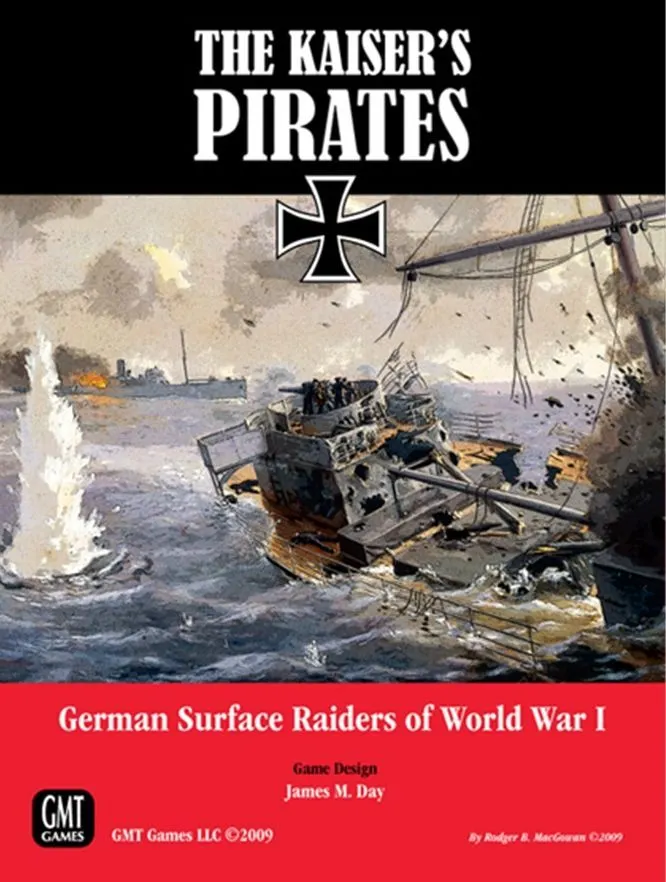
The Kaiser's Pirates
- 1–4 graczy
- 90 min
- Złożoność 2,3/5
- 2007
2013
Pomoc w zasadach gry Iron and Oak
Zrozumiałe wyjaśnienia tur, efektów kart i spornych sytuacji z odnośnikami do oficjalnych źródeł i zapisaną historią pytań.
Dla 1 gracza
Co chcesz wiedzieć?
Odpowiedzi pochodzą z oficjalnej instrukcji, ze stroną do sprawdzenia.
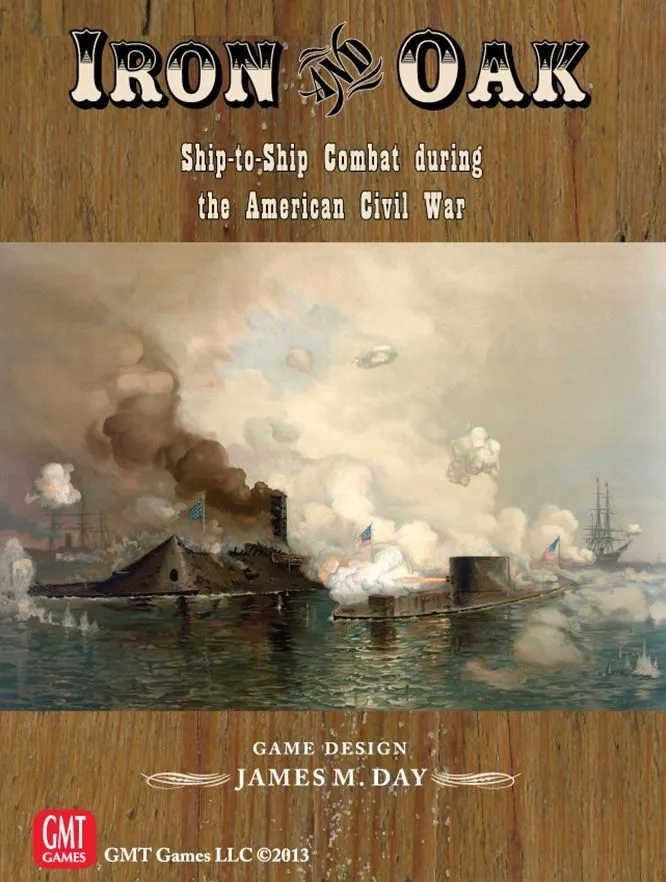
Iron and Oak to gra planszowa wydana w 2013 roku dla 1–2 graczy, z rozgrywką trwającą 90 minut i dla osób od 12 lat. Projekt gry: James M. Day. Główne mechaniki: Area Movement i Dice Rolling.
Po angielsku
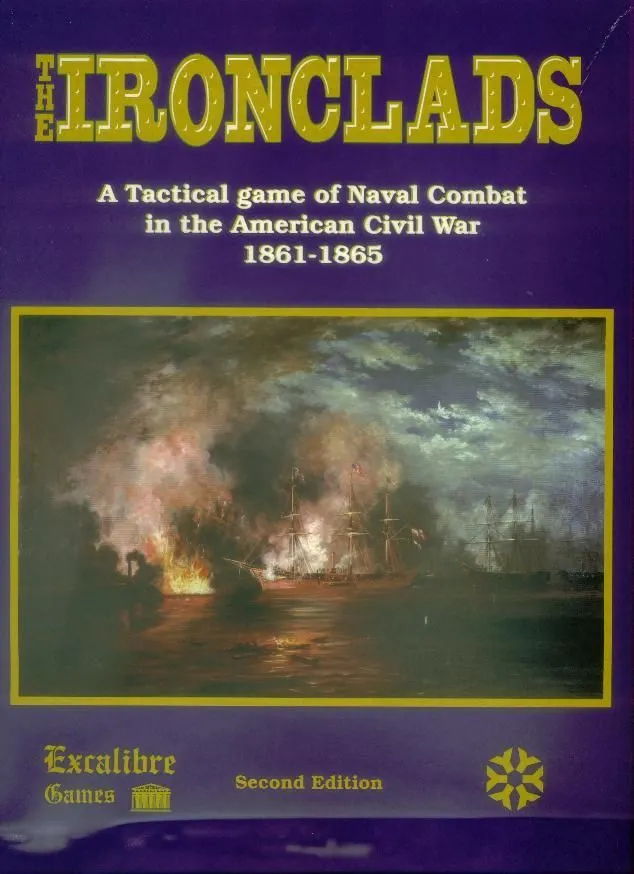
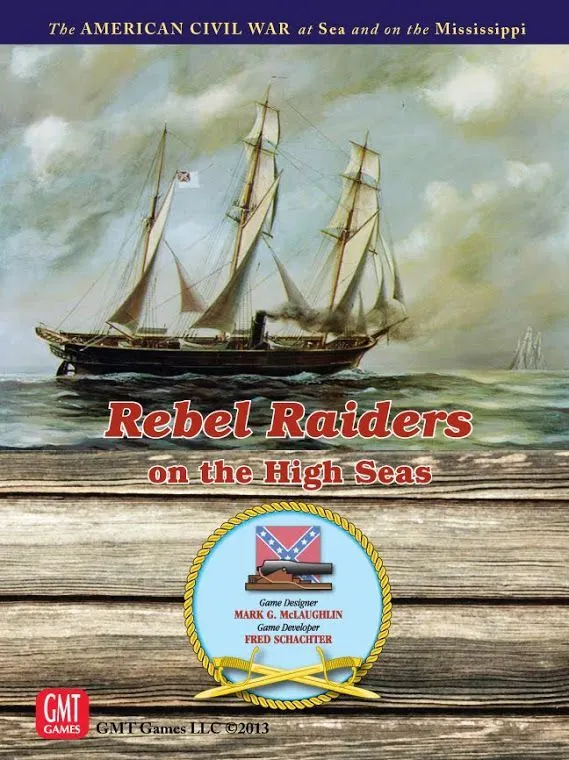
Iron and Oak is game of ship-to-ship combat set during the American Civil War. As a tactical representation of naval warfare, each of the ships is accurately modeled for offensive capability including gunnery, ramming and spar torpedoes; for defensive capability including damage and five distinct armored or wooden hit locations; and for maneuverability, crew size and draft. You command 70 famous ships of the era, including the Union: Onondaga, Tecumseh, Winnebago, Monitor, Osage, Minnesota, Brooklyn, Hartford, Essex, Carondolet, Kearsarge, Ossipee, Queen of the West, Iroquois, Spuyten Duyvil; and the Confederate: Tennessee, Virginia, Atlanta, Palmetto State, Arkansas, Albemarle, Alabama, Florida, General Beauregard, Sumter; and many more. Many of the 14 scenarios, in this easy-to-learn game, are playable in an hour or less. Included are 13 historical and 1 hypothetical engagements featuring Hampton Roads, Mobile Bay, Trent’s Reach, Wassaw Sound, the duel between Alabama and the Kearsarge, and the saga of the Arkansas, which may be played as three individual scenarios or as a linked mini-campaign. In addition, forts bristling with guns make their appearance to challenge the will of the ship captains. If that was not enough to heat things up, scenario based optional rules add a few interesting ‘what if’ situations to expand on play. If you are interested in commanding your own fleet, Iron and Oak includes a standalone campaign module where player selected forces fight it out in the many rivers, bays, inlets and costal areas. The campaign game recreates the brown water actions, typical of the period, in a series of randomly generated battles. As play progresses, the players do not know the exact length of the campaign or the specific mix of the battles. Players must not only manage the unfolding battles, but must also strategically allocate resources and repair and refits their ships. The 16 card Navy Yard deck is used to plot a course through and influence the challenges of the campaigns. Two or more players battle it out on an 22” x 34” map that features an area movement grid. This simple approach controls ship movement as well as all combat action. Gone are the long periods of inaction, typical of ACW tactical naval games, as these early steam-era ships struggled to maneuver into battle. This innovative game system places the emphasis on quick action and tactical decision making. The 50 Action Cards are used to assist and enhance play, not drive it. Each time you battle it out, whether in a scenario or campaign game, the action unfolds in a very different manner. Do you wish to employ hot shot or incendiary shells? Is now the best time to rapid fire or is it wise to maneuver and ram? Should you allocate part of the crew as a repair party? Is that enemy ship going to maneuver into your torpedo (mine) field? These and many other possibilities exist through the play of the action cards. Or, you may decide to not play any action cards at all and just maneuver and shoot. You control how and when the action will unfold. At its core Iron and Oak is a naval simulation. It accurately models the close-range slugging matches typical of the period. You have the opportunity to play out the various battles to their conclusion. Will history repeat itself, or will a new account be written? Will the Monitor’s 11” Dahlgren smoothbores blast through Virginia’s armor plating or will their battle again end in a stalemate? Will the powerful Tennessee win out against Admiral David Farragut’s Union fleet or again fall to his superior numbers? Will the Atlanta defeat the two Union monitors in kind or again slip aground and strike her colors. This time, you get to determine the outcome. You are not bound by history’s stories.
Według katalogu Iron and Oak obsługuje od 1 do 2 graczy. Ten zakres odpowiada liczbie graczy podanej przez wydawcę, więc grę można przygotować dla dowolnej grupy w jego granicach. Przygotowanie, niektóre zasady i punktacja mogą jednak różnić się w zależności od liczby graczy; dokładną konfigurację sprawdź w instrukcji swojego wydania.
Podany czas rozgrywki w Iron and Oak wynosi 90 minut. To szacunek wydawcy dla pełnej partii. Rzeczywisty czas zależy od grupy, liczby graczy i znajomości zasad: pierwsze partie zwykle trwają dłużej, a doświadczone grupy kończą szybciej. Przygotowanie gry i tłumaczenie zasad nie są wliczone w ten szacunek.
Katalog podaje dla Iron and Oak wiek od 12 lat. To zalecenie wydawcy, które uwzględnia wymagania dotyczące czytania, złożoność zasad i drobne elementy, a nie tylko tematykę. Młodsi gracze często mogą dołączyć z pomocą dorosłego; sprawdź zalecenie wiekowe swojego wydania i weź pod uwagę doświadczenie grupy z grami planszowymi.
Iron and Oak ma ocenę złożoności 2,6 na 5 według graczy BoardGameGeek, co czyni ją grą raczej lekką. Ocena pokazuje, ile znajomości zasad, planowania i podejmowania decyzji wymaga typowa rozgrywka. Cięższe gry wymagają dłuższego pierwszego tłumaczenia, dlatego przed wieczorem z grami warto skorzystać z przewodnika przygotowania.
Iron and Oak należy do tych kategorii: Wargame, Nautical i Civil War. Główne mechaniki to Area Movement i Dice Rolling. Kategorie opisują temat i świat gry, a mechaniki to, co gracze faktycznie robią w swojej turze. Każda mechanika prowadzi do strony katalogu z podobnymi grami, co pomaga znaleźć coś porównywalnego na kolejny wieczór.
Autorzy wymienieni przy Iron and Oak to: James M. Day. Te informacje pochodzą z opublikowanych danych gry i wskazują osoby odpowiedzialne za jej projekt, a nie ilustratorów czy wydawców. Strony autorów w MeepleRules zbierają inne tytuły tych samych twórców, co pomaga, gdy gra ci się podoba i szukasz podobnych.
W katalogu Iron and Oak figuruje jako gra podstawowa. Można w nią grać samodzielnie, korzystając z elementów z pudełka, bez żadnego innego tytułu. Dodatki, jeśli istnieją, dokładają nową zawartość lub zasady i są wymienione w katalogu osobno, z odnośnikiem do tej gry podstawowej.