
- Ocena BGG
- 10,0
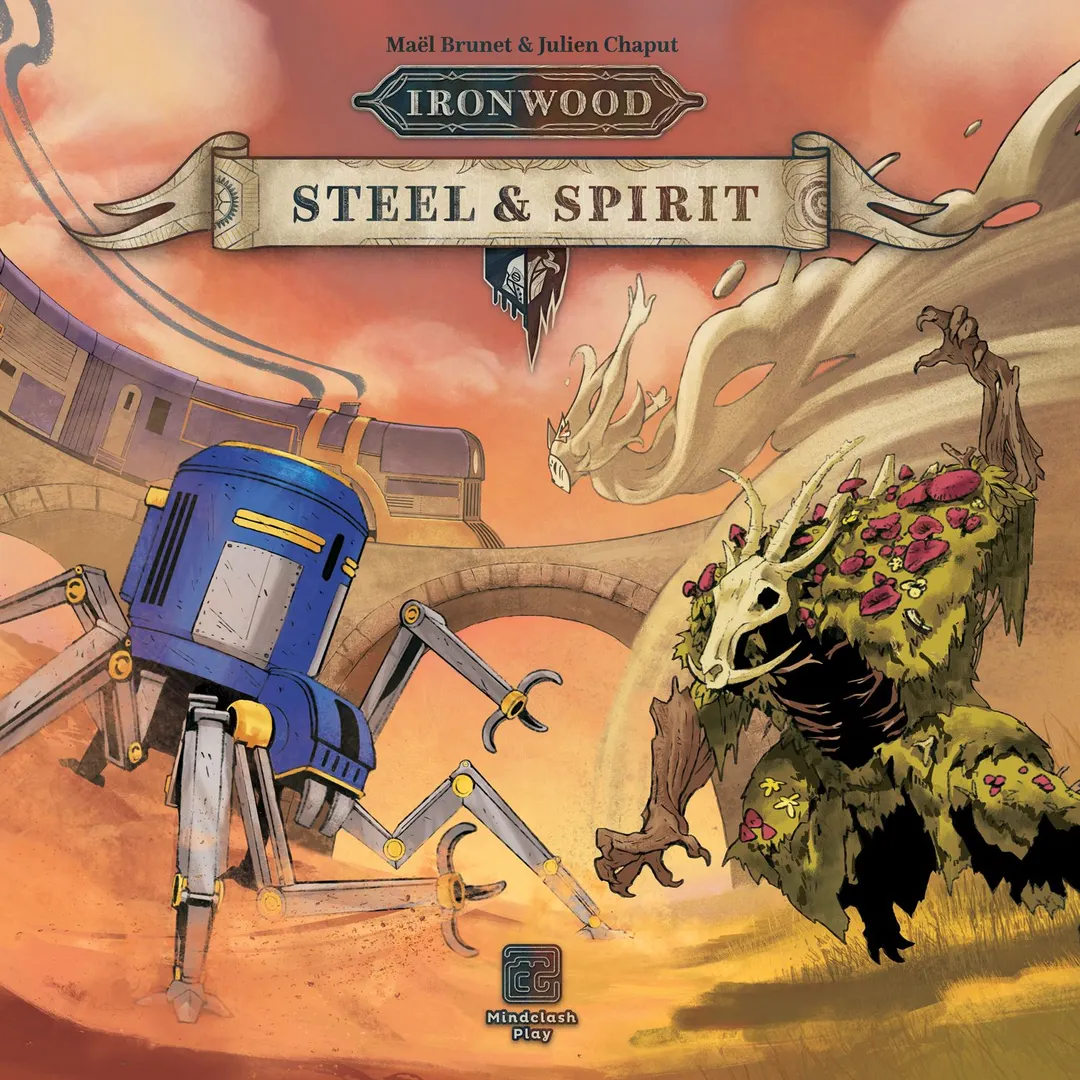
Ironwood: Steel & Spirit
- 1–2 graczy
- 30–60 min
- 2026
2024
Pomoc w zasadach gry Ironwood
Zrozumiałe wyjaśnienia tur, efektów kart i spornych sytuacji z odnośnikami do oficjalnych źródeł i zapisaną historią pytań.
Dla 1 gracza
Co chcesz wiedzieć?
Odpowiedzi pochodzą z oficjalnej instrukcji, ze stroną do sprawdzenia.
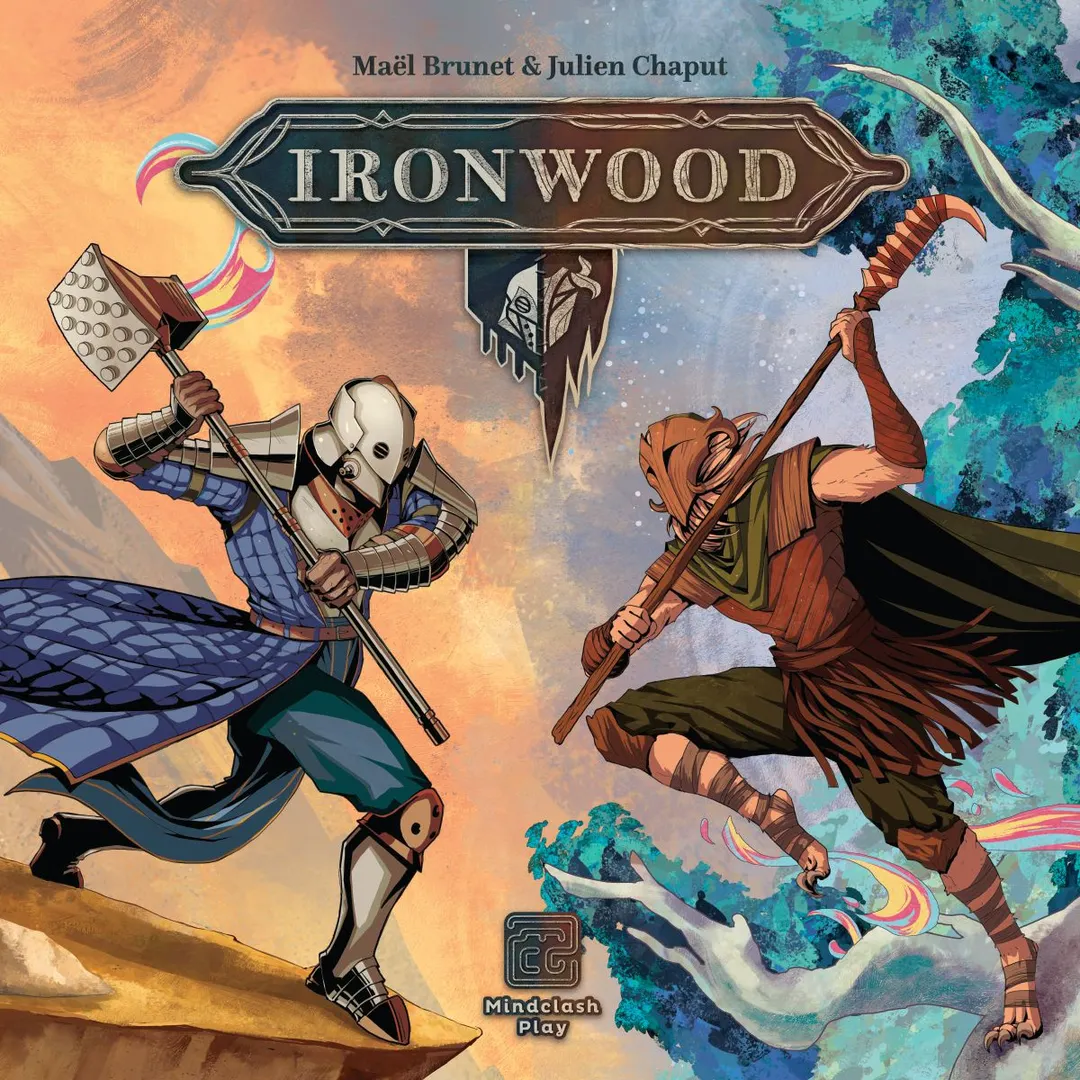
Ironwood to gra planszowa wydana w 2024 roku dla 1–2 graczy, z rozgrywką trwającą 30–60 minut i dla osób od 12 lat. Projekt gry: Maël Brunet i Julien Chaput. Główne mechaniki: Hand Management, Area Movement i Solo / Solitaire Game.





Po angielsku
An eternal conflict for the land of Ironwood is raging between two factions: the stalwart and hard-working Ironclad, settlers of the iron mountains; and the ferocious Woodwalkers, swift and deadly shadows of the forests. Both factions struggle for the ultimate control over the land for its greatest treasure: the Larimor Crystals, a mysterious substance holding immense energy within. It can be found both inside the colossal mountains and scattered across the dense forests. The Ironclad extract the essence of the crystals and process their energy to fuel their machines and mechanical inventions. If they succeed, their giant forges will swarm the land with endless armies, and establish ultimate dominance over Ironwood. The Woodwalkers use the crystals’ raw magical power to discover and retrieve three ancient totems from secret ritual sites, hidden in the mountains. Once retrieved, the combined power of these totems will summon the Guardian, the ancient protector of the woods, to wipe out the Ironclad once and for all. One way or another, the eternal conflict is finally coming to an end. Ironwood is a rules-light, highly asymmetric, card-driven tactical game for 1-2 players. Each round, you and your opponent alternate playing a total of 3 of your faction-specific cards for their action effects. These effects include positioning your warbands, initiating combat, extracting crystals, bestowing temporary passive effects, and many more. When combat occurs, you will use the same cards for their combat values instead, in a simultaneous bid to gain combat bonuses, inflict and fend off casualties, and augment the Dominance value of your warbands to win the combat. The two factions are completely asymmetric in their play styles, decks, victory conditions - even in which parts of the map they can access. As the Commander of the Ironclad, your primary goal is to lay down the foundations of your forges in the outer mountains, and once you have collected enough crystals, build forges on the foundations. As the Chieftain of the Woodwalkers, your mission is to locate your people’s ancient totems through Vision cards, clear the path to them by defeating Ironclad warbands, and finally securing them in the outer forests, beyond the Ironclads’ reach. Once you have retrieved the third totem as the Chieftain, or built the third Forge as the Commander, you immediately win the game. Ironwood also features a low-upkeep solo mode against the Ironclad or the Woodwalkers. Although both solo opponents work on the same main principles, each of them bears its faction’s unique aspects and features. —description from the publisher
Według katalogu Ironwood obsługuje od 1 do 2 graczy. Ten zakres odpowiada liczbie graczy podanej przez wydawcę, więc grę można przygotować dla dowolnej grupy w jego granicach. Przygotowanie, niektóre zasady i punktacja mogą jednak różnić się w zależności od liczby graczy; dokładną konfigurację sprawdź w instrukcji swojego wydania.
Podany czas rozgrywki w Ironwood wynosi 30–60 minut. To szacunek wydawcy dla pełnej partii. Rzeczywisty czas zależy od grupy, liczby graczy i znajomości zasad: pierwsze partie zwykle trwają dłużej, a doświadczone grupy kończą szybciej. Przygotowanie gry i tłumaczenie zasad nie są wliczone w ten szacunek.
Katalog podaje dla Ironwood wiek od 12 lat. To zalecenie wydawcy, które uwzględnia wymagania dotyczące czytania, złożoność zasad i drobne elementy, a nie tylko tematykę. Młodsi gracze często mogą dołączyć z pomocą dorosłego; sprawdź zalecenie wiekowe swojego wydania i weź pod uwagę doświadczenie grupy z grami planszowymi.
Ironwood ma ocenę złożoności 2,8 na 5 według graczy BoardGameGeek, co czyni ją grą raczej lekką. Ocena pokazuje, ile znajomości zasad, planowania i podejmowania decyzji wymaga typowa rozgrywka. Cięższe gry wymagają dłuższego pierwszego tłumaczenia, dlatego przed wieczorem z grami warto skorzystać z przewodnika przygotowania.
Ironwood należy do tych kategorii: Fantasy i Wargame. Główne mechaniki to Hand Management, Area Movement i Solo / Solitaire Game. Kategorie opisują temat i świat gry, a mechaniki to, co gracze faktycznie robią w swojej turze. Każda mechanika prowadzi do strony katalogu z podobnymi grami, co pomaga znaleźć coś porównywalnego na kolejny wieczór.
Autorzy wymienieni przy Ironwood to: Maël Brunet i Julien Chaput. Te informacje pochodzą z opublikowanych danych gry i wskazują osoby odpowiedzialne za jej projekt, a nie ilustratorów czy wydawców. Strony autorów w MeepleRules zbierają inne tytuły tych samych twórców, co pomaga, gdy gra ci się podoba i szukasz podobnych.
W katalogu Ironwood figuruje jako gra podstawowa. Można w nią grać samodzielnie, korzystając z elementów z pudełka, bez żadnego innego tytułu. Dodatki, jeśli istnieją, dokładają nową zawartość lub zasady i są wymienione w katalogu osobno, z odnośnikiem do tej gry podstawowej.