
- Pozycja w BGG
- BGG #16 910
- Ocena BGG
- 8,3
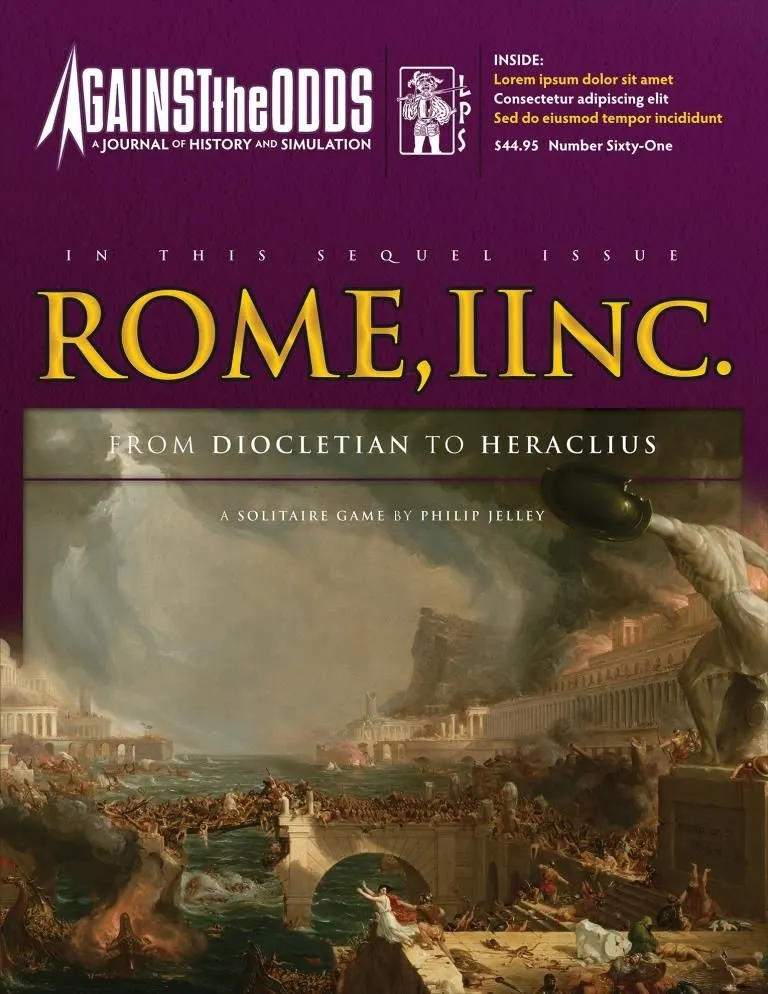
Rome, IInc.: From Diocletian to Heraclius
- 1–2 graczy
- 180–960 min
- Złożoność 3,0/5
- 2024
2013
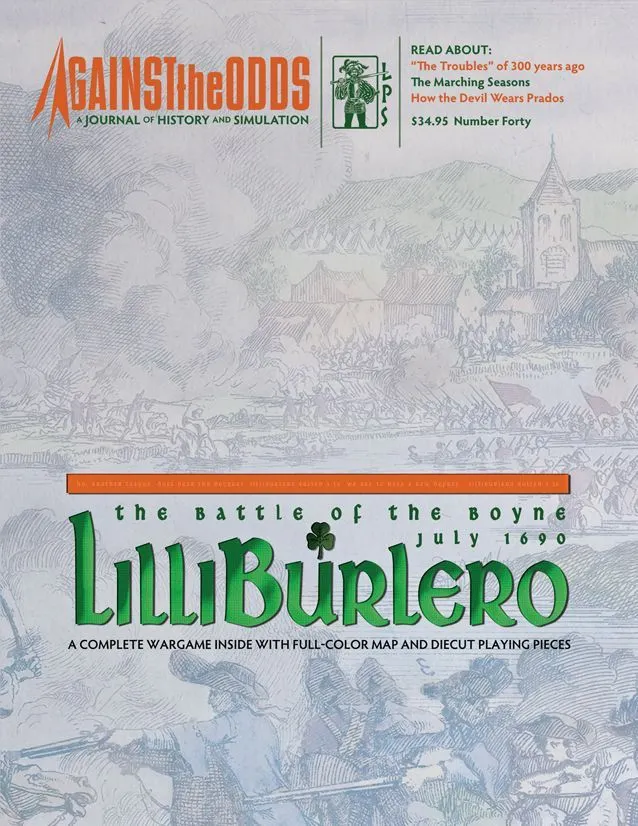
Pomoc w zasadach gry Lilliburlero: The Battle of the Boyne, July 1690
Zrozumiałe wyjaśnienia tur, efektów kart i spornych sytuacji z odnośnikami do oficjalnych źródeł i zapisaną historią pytań.
Dla 2 graczy
Co chcesz wiedzieć?
Odpowiedzi pochodzą z oficjalnej instrukcji, ze stroną do sprawdzenia.
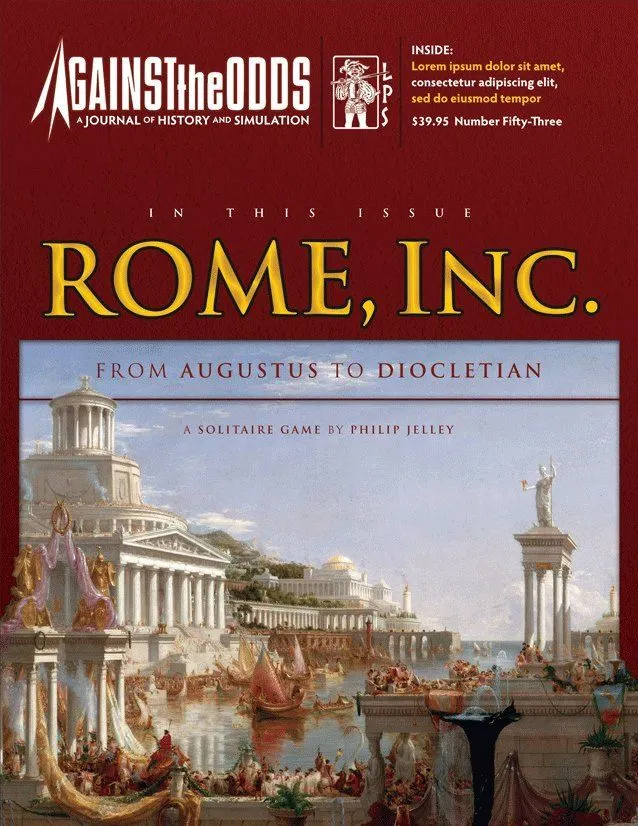
Lilliburlero: The Battle of the Boyne, July 1690 to gra planszowa wydana w 2013 roku dla 2 graczy, z rozgrywką trwającą 180 minut i dla osób od 14 lat. Projekt gry: Philip Jelley. Główne mechaniki: Dice Rolling i Area-Impulse.
Po angielsku
(from ATO website:) Americans hear it on the news and wonder. July 12 in Ireland has become a day of pride and anger, lawsuits and fisticuffs. Called “The Twelfth,” it commemorates the Battle of the Boyne, 1690, when William of Orange (hence today’s Protestant “Orangemen”) and his polyglot army ended the Jacobite hopes for James II to regain the throne and allow (at least) more religious freedom for Catholic Ireland. In one sense, The Boyne might be considered the last battle of the English Civil War—a conflict that had spilled into both Scotland and Ireland along the way. And it might be considered one of the last battles of the Protestant Reformation, since much support on both sides had to do with which religion other countries wished to prevail, which is evident when you find that William’s army included Danes, Dutch, English, Huguenots, Welsh and Protestant Irish. James’ army was mostly Catholic Irish but also included a brigade of crack French infantry and some of the best cavalry in Europe. The Boyne also represents a key transition point in military technology…the last of the matchlocks and pikes and first of the flintlocks, a final time when cavalry caracole competed with pressing home a charge So what’s with ‘Lillibulero’? It’s a song that was a popular tune before this time but became locked with the whole Irish campaign. Trust us, you have heard the tune. It used to be used by the BBC, various British army groups, and the movie Barry Lyndon, and has been featured in alternative lyrics versions for several wars since—including the ACW and WW2—and in Ulster folk tunes. It was “said to have sung James II out of three kingdoms,” and is still part of the Orange marches mentioned above. What about the game? Philip Jelley’s design brings us area movement for the broad area of eastern Ireland relevant to the battle, with units representing the various regiments, battalions, squadrons, and batteries that fought in the battle. Each turn represents roughly one hour of time, with weather, mist, and gunsmoke affecting command and control and unit activations. Scenarios are included for the full battle with historical deployments, the full battle with free-set-up, and for specific parts of the battle (for shorter playtime). Also included is a smaller battle “delaying action” that some people say is what James should have done, plus, there are optional rules for units who could have been involved or who had pressing reasons to NOT be involved (Even William might not be there!). You’ll have plenty of chances to try various ways of heading off “The Troubles” of three centuries ago, or of pressing William’s claims and making a truly “United Kingdom.” Map - One full color 22" x 34" mapsheet (plus a second half-sized map covering the battle of Aughrim) Counters - 176 full color 5/8" die-cut pieces Rules length - 12 pages Charts and tables - 2 pages Complexity - Low Solitaire suitability - Low Playing time - Up to 3 hours Design - Philip Jelley Development - Lembit Tohver Graphic Design - Mark Mahaffey
Według katalogu Lilliburlero: The Battle of the Boyne, July 1690 obsługuje 2 graczy. To liczba graczy podana przez wydawcę, więc gra jest zaprojektowana dokładnie dla takiej liczby uczestników. Warianty dla grup innej wielkości, jeśli w ogóle istnieją, opisano w instrukcji twojego wydania; sprawdź ją uważnie, zanim przygotujesz inną konfigurację stołu.
Podany czas rozgrywki w Lilliburlero: The Battle of the Boyne, July 1690 wynosi 180 minut. To szacunek wydawcy dla pełnej partii. Rzeczywisty czas zależy od grupy, liczby graczy i znajomości zasad: pierwsze partie zwykle trwają dłużej, a doświadczone grupy kończą szybciej. Przygotowanie gry i tłumaczenie zasad nie są wliczone w ten szacunek.
Katalog podaje dla Lilliburlero: The Battle of the Boyne, July 1690 wiek od 14 lat. To zalecenie wydawcy, które uwzględnia wymagania dotyczące czytania, złożoność zasad i drobne elementy, a nie tylko tematykę. Młodsi gracze często mogą dołączyć z pomocą dorosłego; sprawdź zalecenie wiekowe swojego wydania i weź pod uwagę doświadczenie grupy z grami planszowymi.
Lilliburlero: The Battle of the Boyne, July 1690 ma ocenę złożoności 3,0 na 5 według graczy BoardGameGeek, co czyni ją grą średnio złożoną. Ocena pokazuje, ile znajomości zasad, planowania i podejmowania decyzji wymaga typowa rozgrywka. Cięższe gry wymagają dłuższego pierwszego tłumaczenia, dlatego przed wieczorem z grami warto skorzystać z przewodnika przygotowania.
Lilliburlero: The Battle of the Boyne, July 1690 należy do tych kategorii: Wargame, Civil War i Pike and Shot. Główne mechaniki to Dice Rolling i Area-Impulse. Kategorie opisują temat i świat gry, a mechaniki to, co gracze faktycznie robią w swojej turze. Każda mechanika prowadzi do strony katalogu z podobnymi grami, co pomaga znaleźć coś porównywalnego na kolejny wieczór.
Autorzy wymienieni przy Lilliburlero: The Battle of the Boyne, July 1690 to: Philip Jelley. Te informacje pochodzą z opublikowanych danych gry i wskazują osoby odpowiedzialne za jej projekt, a nie ilustratorów czy wydawców. Strony autorów w MeepleRules zbierają inne tytuły tych samych twórców, co pomaga, gdy gra ci się podoba i szukasz podobnych.
W katalogu Lilliburlero: The Battle of the Boyne, July 1690 figuruje jako gra podstawowa. Można w nią grać samodzielnie, korzystając z elementów z pudełka, bez żadnego innego tytułu. Dodatki, jeśli istnieją, dokładają nową zawartość lub zasady i są wymienione w katalogu osobno, z odnośnikiem do tej gry podstawowej.