

- Pozycja w BGG
- BGG #10 665
- Ocena BGG
- 7,3
1793: Patriots & Traitors
- 1–5 graczy
- 30–120 min
- Złożoność 3,1/5
- 2024
2017
Pomoc w zasadach gry Lost in Time
Zrozumiałe wyjaśnienia tur, efektów kart i spornych sytuacji z odnośnikami do oficjalnych źródeł i zapisaną historią pytań.
Co chcesz wiedzieć?
Odpowiedzi pochodzą z oficjalnej instrukcji, ze stroną do sprawdzenia.
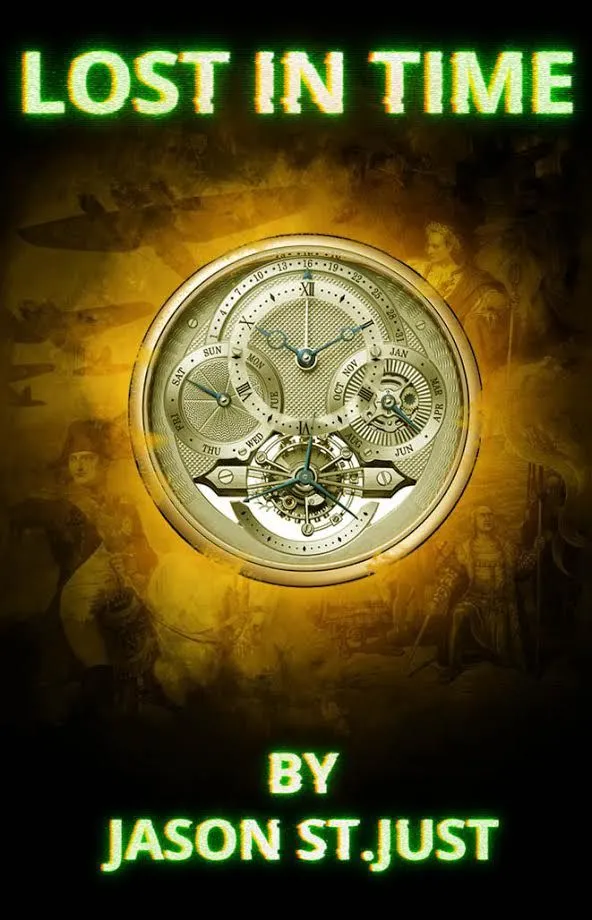
Lost in Time to gra planszowa wydana w 2017 roku dla 1–4 graczy, z rozgrywką trwającą 20–45 minut i dla osób od 10 lat. Projekt gry: Jason St.Just. Główne mechaniki: Hand Management, Cooperative Game i Pattern Building.





Po angielsku
Lost in Time is a thematic card game centering around time travel with three sets of rules that allow for different ways of play. The game consists of 88 cards with beautiful historical illustrations. No, it is not just a question of placing cards on a timeline! There's much more to it than that... The first version of the game is light and easy, specifically designed for families. It's the year 2031: you are one of the very first time travelers and you have been sent to the past. However, your time machine does not work as it was supposed to (isn't that typical!) and you are left stranded in the past. Now you have to get back to the year 2031. Each game round the players must jump into time but the problem is: not everybody will want to travel to the future like you do, some will want to jump to the past. And if you can't place anything on your timeline, you run the risk of being absorbed by the time-space continuum. It's a tug-of-war in time & space. Duration of play: 20 to 30 minutes. The second version, The Time Bandits, is heavier and semi-cooperative. In this game lets the players choose between being the secret agents or the thieves. The thieves, sent to the past by a criminal organization, must collect four historical artifacts before the eighth card has been played. The agents have been hired & vigourously trained by the government to hunt the criminals down before they end up changing the past and thus also automatically...the future. All players receive a deck of 18 cards which represent their time machine's battery allowing them to conjure up a wormhole in order to jump into time. The players must keep a close eye on the level of their battery: if it's empty, they will not be able to jump in time anymore and they will end up Lost in Time. Both the agents and thieves can make use of famous historical characters (Elizabeth I, Napoleon or Lenin...) to help them stop their rivals! Duration of play: 30 to 40 minutes. The third version is a solo variant. Before traveling to the past, you must decide how many batteries (deck of cards) to bring along. Every leap in time costs an amount of energy and even moreso if you end up in a period of disaster. When your batteries are empty, you are stuck in time, so you must be economical with your available energy! Will you jump in time immediately and save your battery, or will you press your luck and spend more energy in order to find a data chip that will help your travel through time more easily? Duration of play: 15 to 20 minutes. Can you survive the past?
Według katalogu Lost in Time obsługuje od 1 do 4 graczy. Ten zakres odpowiada liczbie graczy podanej przez wydawcę, więc grę można przygotować dla dowolnej grupy w jego granicach. Przygotowanie, niektóre zasady i punktacja mogą jednak różnić się w zależności od liczby graczy; dokładną konfigurację sprawdź w instrukcji swojego wydania.
Podany czas rozgrywki w Lost in Time wynosi 20–45 minut. To szacunek wydawcy dla pełnej partii. Rzeczywisty czas zależy od grupy, liczby graczy i znajomości zasad: pierwsze partie zwykle trwają dłużej, a doświadczone grupy kończą szybciej. Przygotowanie gry i tłumaczenie zasad nie są wliczone w ten szacunek.
Katalog podaje dla Lost in Time wiek od 10 lat. To zalecenie wydawcy, które uwzględnia wymagania dotyczące czytania, złożoność zasad i drobne elementy, a nie tylko tematykę. Młodsi gracze często mogą dołączyć z pomocą dorosłego; sprawdź zalecenie wiekowe swojego wydania i weź pod uwagę doświadczenie grupy z grami planszowymi.
Lost in Time ma ocenę złożoności 2,0 na 5 według graczy BoardGameGeek, co czyni ją grą raczej lekką. Ocena pokazuje, ile znajomości zasad, planowania i podejmowania decyzji wymaga typowa rozgrywka. Cięższe gry wymagają dłuższego pierwszego tłumaczenia, dlatego przed wieczorem z grami warto skorzystać z przewodnika przygotowania.
Lost in Time należy do tych kategorii: Card Game, Napoleonic i Medieval. Główne mechaniki to Hand Management, Cooperative Game i Pattern Building. Kategorie opisują temat i świat gry, a mechaniki to, co gracze faktycznie robią w swojej turze. Każda mechanika prowadzi do strony katalogu z podobnymi grami, co pomaga znaleźć coś porównywalnego na kolejny wieczór.
Autorzy wymienieni przy Lost in Time to: Jason St.Just. Te informacje pochodzą z opublikowanych danych gry i wskazują osoby odpowiedzialne za jej projekt, a nie ilustratorów czy wydawców. Strony autorów w MeepleRules zbierają inne tytuły tych samych twórców, co pomaga, gdy gra ci się podoba i szukasz podobnych.
W katalogu Lost in Time figuruje jako gra podstawowa. Można w nią grać samodzielnie, korzystając z elementów z pudełka, bez żadnego innego tytułu. Dodatki, jeśli istnieją, dokładają nową zawartość lub zasady i są wymienione w katalogu osobno, z odnośnikiem do tej gry podstawowej.