
- Pozycja w BGG
- BGG #1516
- Ocena BGG
- 7,5
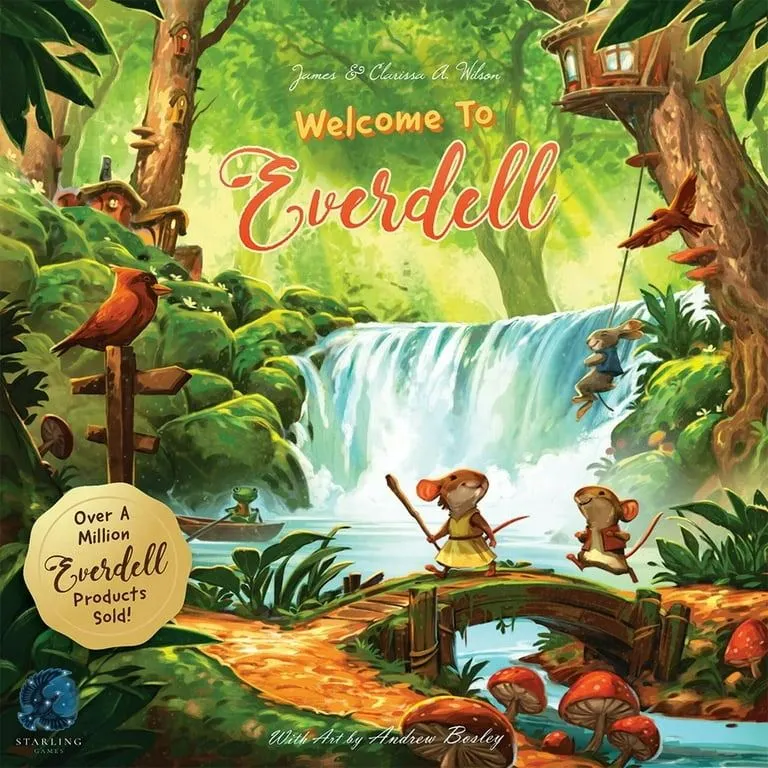
Welcome to Everdell
- 1–4 graczy
- 30 min
- Złożoność 1,9/5
- 2022
2011
Pomoc w zasadach gry Mermaid Beach
Zrozumiałe wyjaśnienia tur, efektów kart i spornych sytuacji z odnośnikami do oficjalnych źródeł i zapisaną historią pytań.
Co chcesz wiedzieć?
Odpowiedzi pochodzą z oficjalnej instrukcji, ze stroną do sprawdzenia.
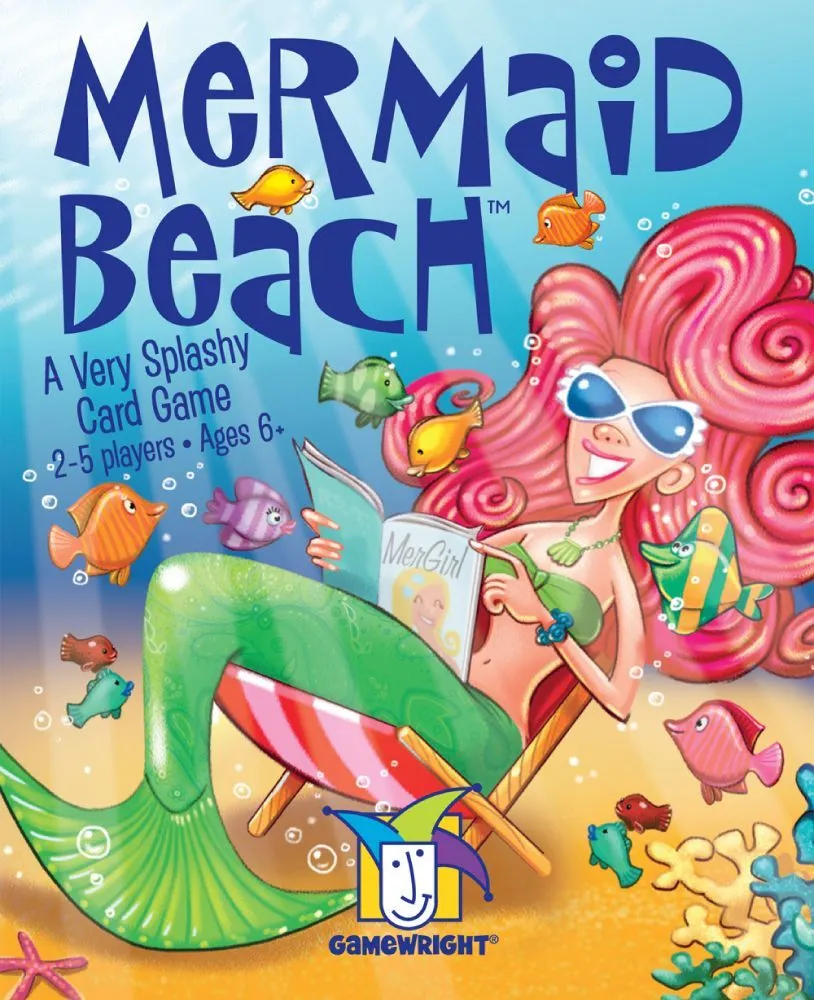
Mermaid Beach to gra planszowa wydana w 2011 roku dla 2–5 graczy, z rozgrywką trwającą 15 minut i dla osób od 6 lat. Projekt gry: Emily Ehlers, Jake Ehlers i Drew Ehlers. Główne mechaniki: Set Collection.






Po angielsku
Mermaid Beach, a card game created by an eight-year-old, plays somewhat like a take-that version of Go Fish. Each player starts the game with a hand of beach cards: these cards include four copies each of items like beach balls, sunglasses, umbrellas, and so on; a dozen mermaids/mermen; and seaweed, sneaker waves and a single sea monster. A deck of shell cards – with cards worth 1-4 points and starfish action cards – is shuffled and placed on the table. On a turn, a player can discard a mermaid/merman or matching pair of items to take the top shell card, discard a mean mermaid to steal another player's shell card, ask another player for an item card (a la Go Fish, drawing a card if you come up empty and scoring if you hit), play a sneaker wave to remove one opponent's shell card from play, or play seaweed to force someone to draw a beach card. If someone collects a shell card that is worth points, that player places the card on the table; if the shell card features a starfish, every player passes one beach card left or right as instructed. The game ends when a player has no cards left in hand or has only the sea monster in hand. In the latter case, this player must discard all of the highest-value shell cards that she has collected. The player with the most shell points wins.
Według katalogu Mermaid Beach obsługuje od 2 do 5 graczy. Ten zakres odpowiada liczbie graczy podanej przez wydawcę, więc grę można przygotować dla dowolnej grupy w jego granicach. Przygotowanie, niektóre zasady i punktacja mogą jednak różnić się w zależności od liczby graczy; dokładną konfigurację sprawdź w instrukcji swojego wydania.
Podany czas rozgrywki w Mermaid Beach wynosi 15 minut. To szacunek wydawcy dla pełnej partii. Rzeczywisty czas zależy od grupy, liczby graczy i znajomości zasad: pierwsze partie zwykle trwają dłużej, a doświadczone grupy kończą szybciej. Przygotowanie gry i tłumaczenie zasad nie są wliczone w ten szacunek.
Katalog podaje dla Mermaid Beach wiek od 6 lat. To zalecenie wydawcy, które uwzględnia wymagania dotyczące czytania, złożoność zasad i drobne elementy, a nie tylko tematykę. Młodsi gracze często mogą dołączyć z pomocą dorosłego; sprawdź zalecenie wiekowe swojego wydania i weź pod uwagę doświadczenie grupy z grami planszowymi.
Mermaid Beach ma ocenę złożoności 1,0 na 5 według graczy BoardGameGeek, co czyni ją grą lekką. Ocena pokazuje, ile znajomości zasad, planowania i podejmowania decyzji wymaga typowa rozgrywka. Cięższe gry wymagają dłuższego pierwszego tłumaczenia, dlatego przed wieczorem z grami warto skorzystać z przewodnika przygotowania.
Mermaid Beach należy do tych kategorii: Card Game, Fantasy i Children's Game. Główne mechaniki to Set Collection. Kategorie opisują temat i świat gry, a mechaniki to, co gracze faktycznie robią w swojej turze. Każda mechanika prowadzi do strony katalogu z podobnymi grami, co pomaga znaleźć coś porównywalnego na kolejny wieczór.
Autorzy wymienieni przy Mermaid Beach to: Emily Ehlers, Jake Ehlers i Drew Ehlers. Te informacje pochodzą z opublikowanych danych gry i wskazują osoby odpowiedzialne za jej projekt, a nie ilustratorów czy wydawców. Strony autorów w MeepleRules zbierają inne tytuły tych samych twórców, co pomaga, gdy gra ci się podoba i szukasz podobnych.
W katalogu Mermaid Beach figuruje jako gra podstawowa. Można w nią grać samodzielnie, korzystając z elementów z pudełka, bez żadnego innego tytułu. Dodatki, jeśli istnieją, dokładają nową zawartość lub zasady i są wymienione w katalogu osobno, z odnośnikiem do tej gry podstawowej.