
- Pozycja w BGG
- BGG #7736
- Ocena BGG
- 7,1
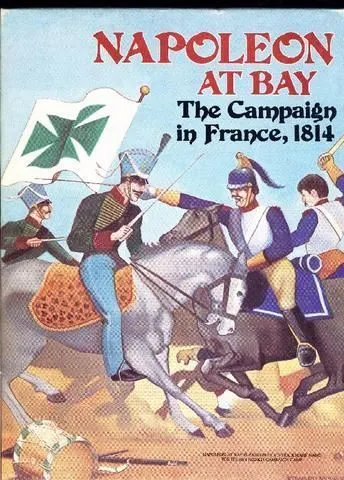
Napoleon at Bay: The Campaign in France, 1814
- 2 graczy
- 180 min
- Złożoność 3,5/5
- 1978
2015
Pomoc w zasadach gry Napoleon Against Russia
Zrozumiałe wyjaśnienia tur, efektów kart i spornych sytuacji z odnośnikami do oficjalnych źródeł i zapisaną historią pytań.
Dla 2 graczy
Co chcesz wiedzieć?
Odpowiedzi pochodzą z oficjalnej instrukcji, ze stroną do sprawdzenia.
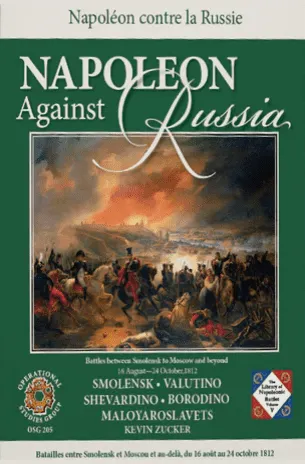
Napoleon Against Russia to gra planszowa wydana w 2015 roku dla 2–4 graczy, z rozgrywką trwającą 180 minut i dla osób od 12 lat. Projekt gry: Kevin Zucker. Główne mechaniki: Hexagon Grid i Simulation.

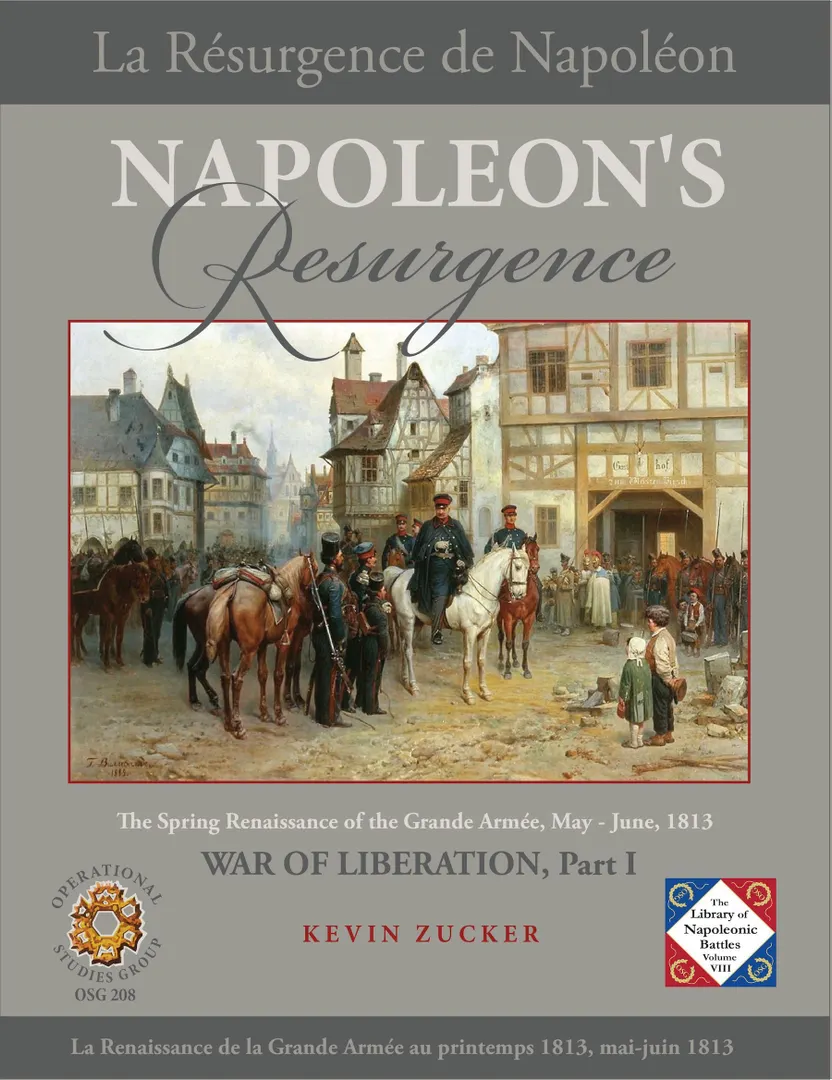
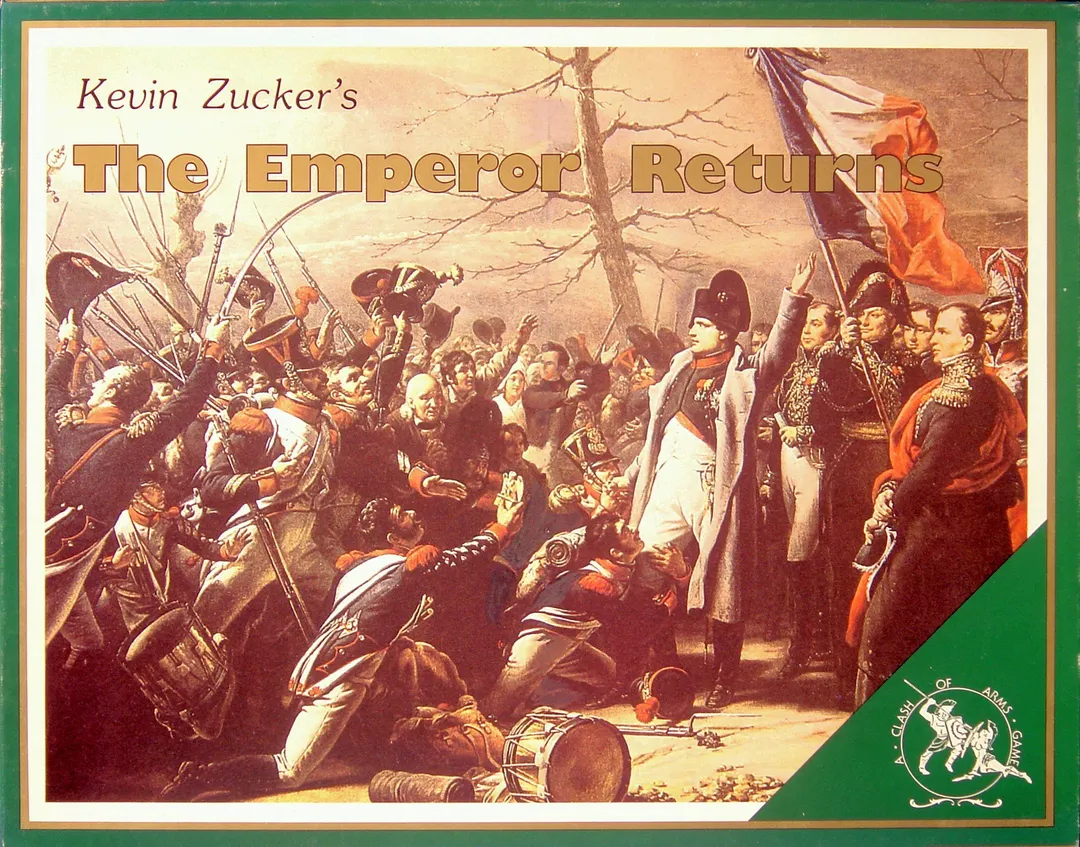
Po angielsku
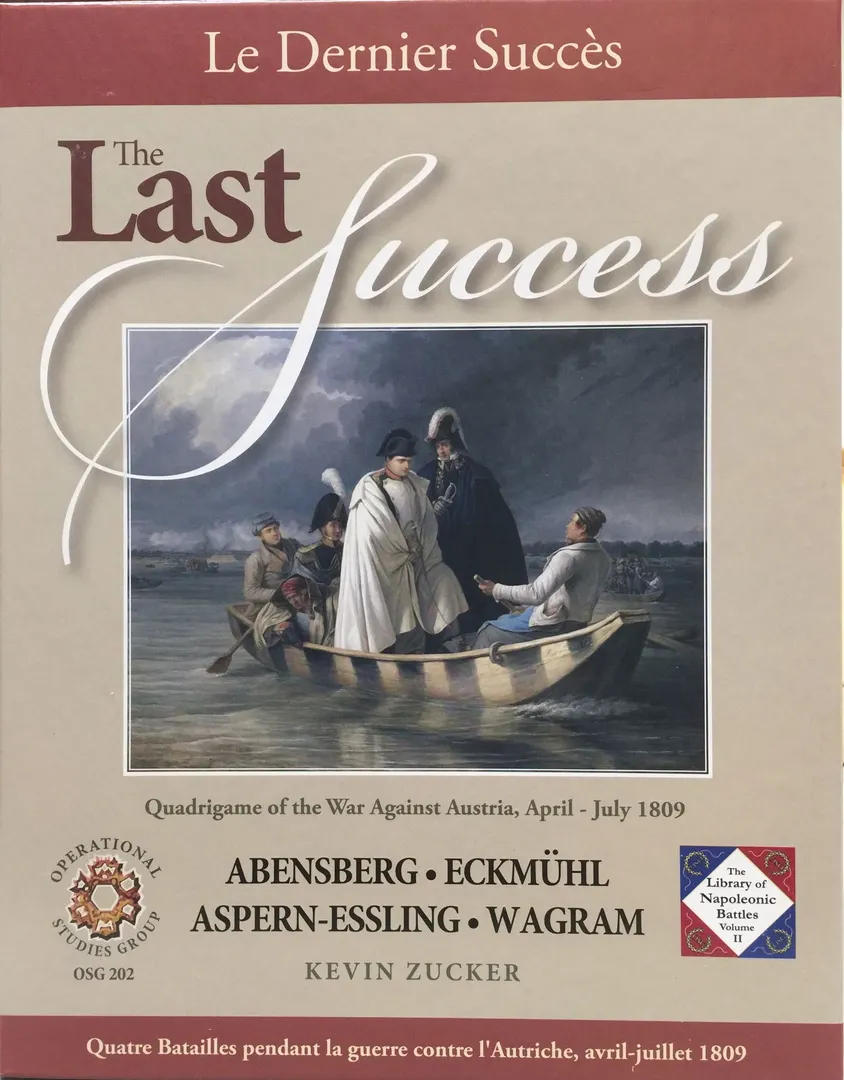
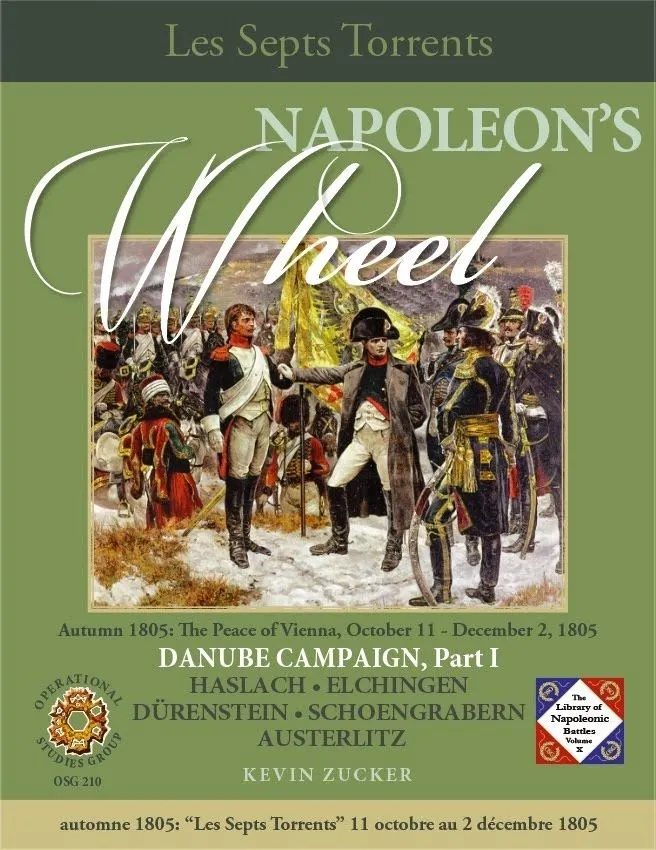
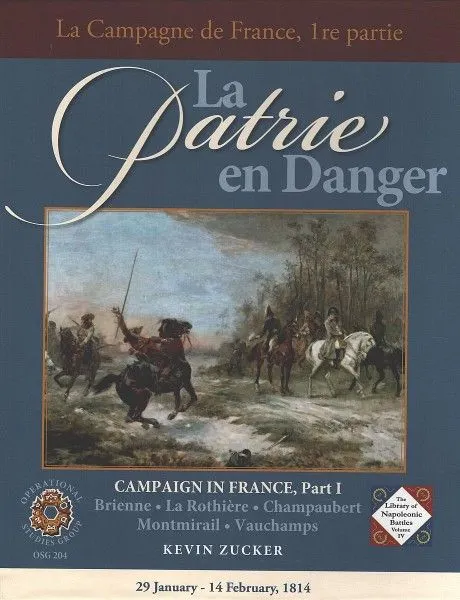
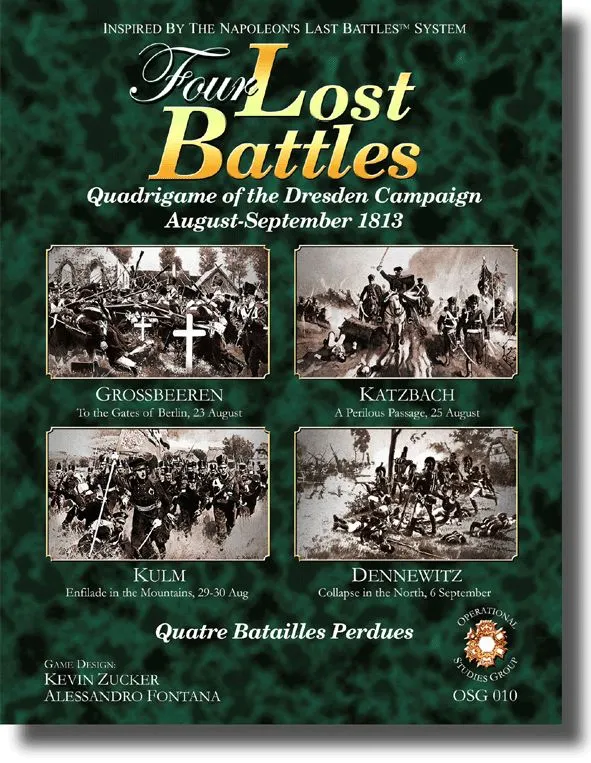
Napoleon Against Russia - From Smolensk to Moscow and beyond August 16-October 24, 1812 contains five battles from the critical phase of the Campaign, when the Russian Army finally gave Napoleon the decisive battles he so greatly desired. His first maneuver starts out well—with the French poised to slip into Smolensk behind the Russians. However, the opportunity to bring an end to the campaign will remain unfulfilled. After that, Moscow became the default destination of the Grande Armée. As Napoleon stated, “The wine has been poured and must now be drunk." Napoleon against Russia is one of the games from OSG's THE LIBRARY OF NAPOLEONIC BATTLES series. Details on the series are below, as all the games share a common rules set and game system. BATTLES SIMULATED: Smolensk, A Battle Postponed, 16-17 August When he recognized that the enemy had withdrawn into the city, the Emperor’s plan was stymied. He either had to seize Smolensk on the 16th, without waiting for the arrival of the entire army, or cross the Dneiper River east of Smolensk. Instead he waited for the Russians to make a mistake, and gave them time to pull out along the Moscow road. Valutino, Rearguard Action, 18 August When the Russians did give him an opportunity to catch the First Army disunited after a confused night march, Napoleon had already returned to Smolensk, expecting nothing more than a rearguard action. Hence he was not on the scene to coordinate the actions of his Marshals, who, left to themselves, were unable to crystallize a victory out of the opportunity. Shevardino, Fight for the Redoubt, 5-6 September The preliminary battle opened with the arrival of the French cavalry who immediate attacked Konovnytsyn. On the 6th, more French forces arrived including the IV Corps and the Polish Corps. The French captured the Shevardino redoubt at a cost of 4,000–5,000 French and 6,000 Russian casualties. Borodino, The Russian Army is Saved, 7-8 September In the climactic battle, Napoleon has been criticized for making a simple frontal assault. With our large map the French player will have plenty of maneuver room to try and outflank the Russian army to the south, or even to the north. He will also have the option of attacking the north flank as Kutusov expected. Maloyaroslavets, The Retreat Goes Awry, 23-24 October Trying to secure a bridge over the Luzha River, the Italians of Eugene's IV Corps lost about 5,000 and the Russians about 6,000 men as the town changed hands eight times. Except for Davout, all the French marshals advocated a return to the main highway to Smolensk, through the depleted zone, a detour that doomed the Army. DESCRIPTION Series: The Library of Napoleonic Battles (OSG) - formerly known as the Napoleon's Last Battles (NLB) Series: 480 meters per hex, 1 hour per turn, 400-800 men per strength point. Each Approach to Battle game lasts about 22 turns. The Full campaign links the individual battles. (Text from the OSG pages)
Według katalogu Napoleon Against Russia obsługuje od 2 do 4 graczy. Ten zakres odpowiada liczbie graczy podanej przez wydawcę, więc grę można przygotować dla dowolnej grupy w jego granicach. Przygotowanie, niektóre zasady i punktacja mogą jednak różnić się w zależności od liczby graczy; dokładną konfigurację sprawdź w instrukcji swojego wydania.
Podany czas rozgrywki w Napoleon Against Russia wynosi 180 minut. To szacunek wydawcy dla pełnej partii. Rzeczywisty czas zależy od grupy, liczby graczy i znajomości zasad: pierwsze partie zwykle trwają dłużej, a doświadczone grupy kończą szybciej. Przygotowanie gry i tłumaczenie zasad nie są wliczone w ten szacunek.
Katalog podaje dla Napoleon Against Russia wiek od 12 lat. To zalecenie wydawcy, które uwzględnia wymagania dotyczące czytania, złożoność zasad i drobne elementy, a nie tylko tematykę. Młodsi gracze często mogą dołączyć z pomocą dorosłego; sprawdź zalecenie wiekowe swojego wydania i weź pod uwagę doświadczenie grupy z grami planszowymi.
Napoleon Against Russia ma ocenę złożoności 3,1 na 5 według graczy BoardGameGeek, co czyni ją grą średnio złożoną. Ocena pokazuje, ile znajomości zasad, planowania i podejmowania decyzji wymaga typowa rozgrywka. Cięższe gry wymagają dłuższego pierwszego tłumaczenia, dlatego przed wieczorem z grami warto skorzystać z przewodnika przygotowania.
Napoleon Against Russia należy do tych kategorii: Wargame i Napoleonic. Główne mechaniki to Hexagon Grid i Simulation. Kategorie opisują temat i świat gry, a mechaniki to, co gracze faktycznie robią w swojej turze. Każda mechanika prowadzi do strony katalogu z podobnymi grami, co pomaga znaleźć coś porównywalnego na kolejny wieczór.
Autorzy wymienieni przy Napoleon Against Russia to: Kevin Zucker. Te informacje pochodzą z opublikowanych danych gry i wskazują osoby odpowiedzialne za jej projekt, a nie ilustratorów czy wydawców. Strony autorów w MeepleRules zbierają inne tytuły tych samych twórców, co pomaga, gdy gra ci się podoba i szukasz podobnych.
W katalogu Napoleon Against Russia figuruje jako gra podstawowa. Można w nią grać samodzielnie, korzystając z elementów z pudełka, bez żadnego innego tytułu. Dodatki, jeśli istnieją, dokładają nową zawartość lub zasady i są wymienione w katalogu osobno, z odnośnikiem do tej gry podstawowej.