
- Pozycja w BGG
- BGG #17 828
- Ocena BGG
- 6,2
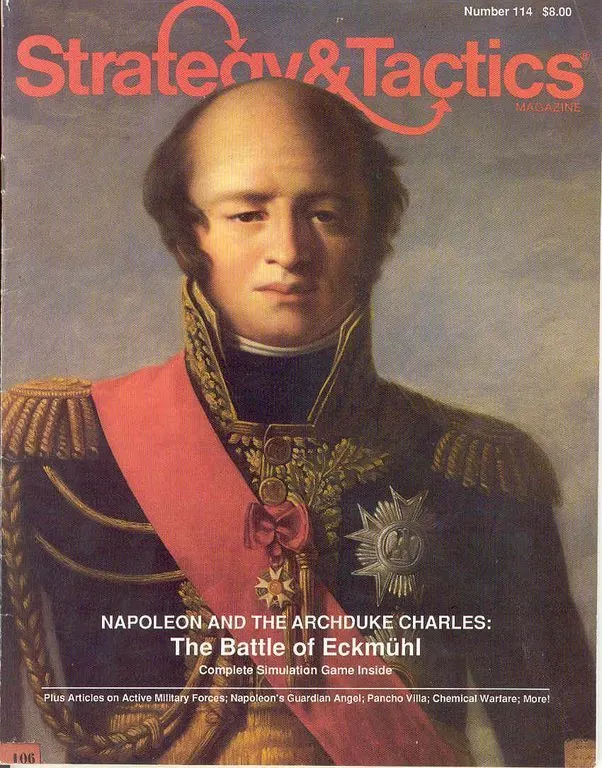
Napoleon and the Archduke Charles: The Battle of Eckmuhl
- 2 graczy
- 90 min
- Złożoność 2,7/5
- 1987

1986
Pomoc w zasadach gry Napoleon and the Archduke Charles: The Battle of Aspern-Essling
Zrozumiałe wyjaśnienia tur, efektów kart i spornych sytuacji z odnośnikami do oficjalnych źródeł i zapisaną historią pytań.
Dla 2 graczy
Co chcesz wiedzieć?
Odpowiedzi pochodzą z oficjalnej instrukcji, ze stroną do sprawdzenia.
Napoleon and the Archduke Charles: The Battle of Aspern-Essling to gra planszowa wydana w 1986 roku dla 2 graczy, z rozgrywką trwającą 120 minut i dla osób od 12 lat. Projekt gry: Keith Poulter. Główne mechaniki: Hexagon Grid.



Po angielsku
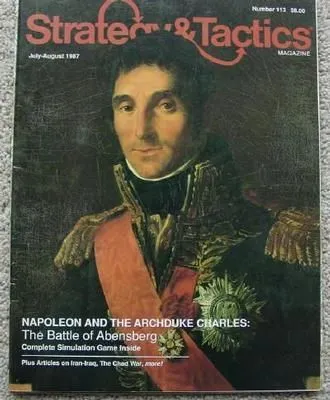
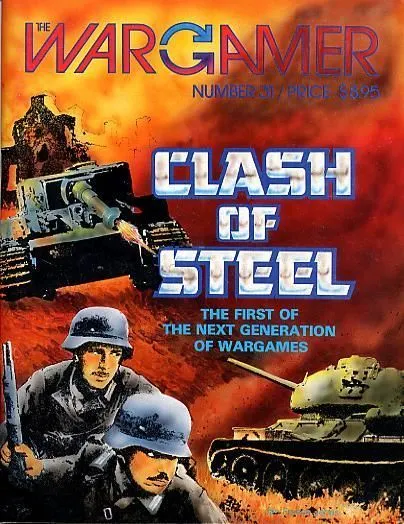
Part of 3W's 'Bonaparte' Series by Keith Poulter, this game was first published in The Wargamer Magazine (#49). The portrait on the magazine cover is of French Marshal Jean Lannes, who died at Aspern-Essling. The game is a two-player simulation of the Battle of Aspern-Essling, May 21-22, 1809. One player leads Napoleon Bonaparte's Grande Armée d'Allemagne, the other player commands the Austrian Army of Archduke Charles of Austria. Victory Points are awarded each player for the elimination of strength points, elimination of leaders, and control of Aspern and/or Essling. (Exception: The Austrian player wins immediately if Napoleon is a casualty.) The difference in points between the players determines the level of victory. A pyrrhic Austrian victory, Aspern-Essling turned out to be Napoleon's first ever setback in Europe, and the first time the Austrians ever defeated Napoleon in the field of battle.
Według katalogu Napoleon and the Archduke Charles: The Battle of Aspern-Essling obsługuje 2 graczy. To liczba graczy podana przez wydawcę, więc gra jest zaprojektowana dokładnie dla takiej liczby uczestników. Warianty dla grup innej wielkości, jeśli w ogóle istnieją, opisano w instrukcji twojego wydania; sprawdź ją uważnie, zanim przygotujesz inną konfigurację stołu.
Podany czas rozgrywki w Napoleon and the Archduke Charles: The Battle of Aspern-Essling wynosi 120 minut. To szacunek wydawcy dla pełnej partii. Rzeczywisty czas zależy od grupy, liczby graczy i znajomości zasad: pierwsze partie zwykle trwają dłużej, a doświadczone grupy kończą szybciej. Przygotowanie gry i tłumaczenie zasad nie są wliczone w ten szacunek.
Katalog podaje dla Napoleon and the Archduke Charles: The Battle of Aspern-Essling wiek od 12 lat. To zalecenie wydawcy, które uwzględnia wymagania dotyczące czytania, złożoność zasad i drobne elementy, a nie tylko tematykę. Młodsi gracze często mogą dołączyć z pomocą dorosłego; sprawdź zalecenie wiekowe swojego wydania i weź pod uwagę doświadczenie grupy z grami planszowymi.
Napoleon and the Archduke Charles: The Battle of Aspern-Essling ma ocenę złożoności 3,3 na 5 według graczy BoardGameGeek, co czyni ją grą średnio złożoną. Ocena pokazuje, ile znajomości zasad, planowania i podejmowania decyzji wymaga typowa rozgrywka. Cięższe gry wymagają dłuższego pierwszego tłumaczenia, dlatego przed wieczorem z grami warto skorzystać z przewodnika przygotowania.
Napoleon and the Archduke Charles: The Battle of Aspern-Essling należy do tych kategorii: Wargame i Napoleonic. Główne mechaniki to Hexagon Grid. Kategorie opisują temat i świat gry, a mechaniki to, co gracze faktycznie robią w swojej turze. Każda mechanika prowadzi do strony katalogu z podobnymi grami, co pomaga znaleźć coś porównywalnego na kolejny wieczór.
Autorzy wymienieni przy Napoleon and the Archduke Charles: The Battle of Aspern-Essling to: Keith Poulter. Te informacje pochodzą z opublikowanych danych gry i wskazują osoby odpowiedzialne za jej projekt, a nie ilustratorów czy wydawców. Strony autorów w MeepleRules zbierają inne tytuły tych samych twórców, co pomaga, gdy gra ci się podoba i szukasz podobnych.
W katalogu Napoleon and the Archduke Charles: The Battle of Aspern-Essling figuruje jako gra podstawowa. Można w nią grać samodzielnie, korzystając z elementów z pudełka, bez żadnego innego tytułu. Dodatki, jeśli istnieją, dokładają nową zawartość lub zasady i są wymienione w katalogu osobno, z odnośnikiem do tej gry podstawowej.