- Ocena BGG
- 7,6
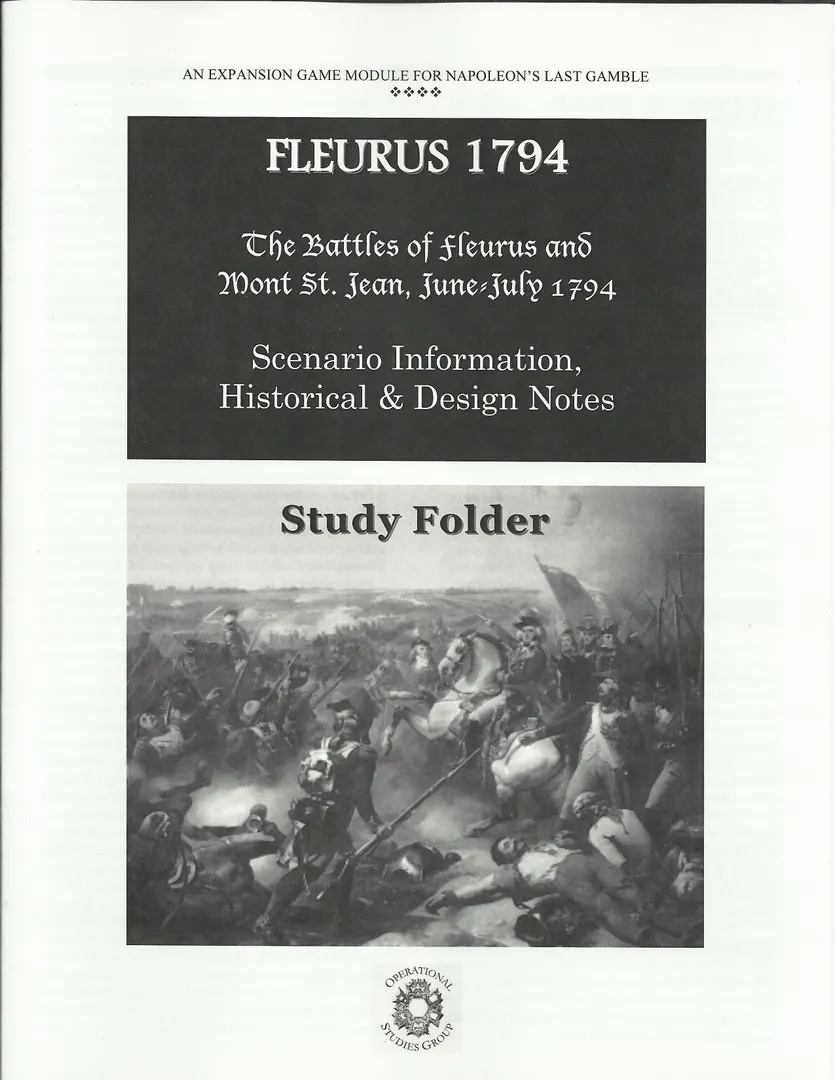
Fleurus 1794: The Battles of Fleurus and Mont St. Jean
- 2–4 graczy
- Złożoność 2,5/5
- 2016

2016
Pomoc w zasadach gry Napoleon's Last Gamble: Battles of the Hundred Days
Zrozumiałe wyjaśnienia tur, efektów kart i spornych sytuacji z odnośnikami do oficjalnych źródeł i zapisaną historią pytań.
Dla 2 graczy
Co chcesz wiedzieć?
Odpowiedzi pochodzą z oficjalnej instrukcji, ze stroną do sprawdzenia.
Napoleon's Last Gamble: Battles of the Hundred Days to gra planszowa wydana w 2016 roku dla 2–6 graczy, z rozgrywką trwającą 180–1200 minut i dla osób od 12 lat. Projekt gry: Kevin Zucker. Główne mechaniki: Dice Rolling, Grid Movement i Hexagon Grid.









Po angielsku
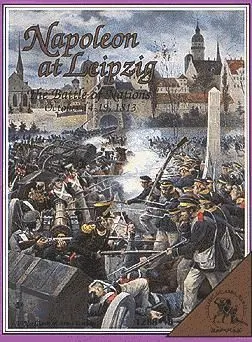
Napoleon’s Last Gamble contains five battles from the Waterloo Campaign, which Napoleon began by seizing the central position between the Prussian and British Armies. On June 15th the Grande Armée was unleashed across the Sambre River. Allied screening forces sent out the warning to headquarters. The Allies executed a forward concentration behind the cover of their screens. As the 16th dawned, troops of both sides still converged on the battlefields. Napoleon's Last Gamble is one of the games from OSG's Series: The Library of Napoleonic Battles (OSG) series. Details on the series are below, as all the games share a common rules set and game system. COMPONENTS Two 22x34" maps One 17x22" map 560 die-cut counter units 100 playing cards two rulebooks 15 Player aid cards covered in a box BATTLES SIMULATED Quatre-Bras, Ney at the Crossroads, 16 June The French attacked on two fronts simultaneously. The tenacious defense of Quatre Bras by the Anglo-Allied troops saved the Prussians from receiving the full weight of the Armée du Nord. Ligny, The Last Victory, 16 June Finally unleashed, the Guard pushed the Prussians back from the Ligny brook. Blücher himself was wounded and separated from headquarters. But Napoleon’s hoped-for knock-out blow remained undelivered. Wavre, Grouchy’s Blunder, 18 June Napoleon separated the two wings of his army, ordering Marshal Grouchy on the track of the Prussians while he pursued Wellington. Grouchy’s prescribed route was wide of the mark, and took him to the outer flank, allowing the Prussians to interpose themselves between the two French wings—Blücher achieved a strategic reversal of the opening. Waterloo, A Near Run Thing, 18 June While Grouchy frittered away time engaging the Prussian rear-guard at Wavre, Ney conducted the mid-phase of the battle like a rear-guard action in the Peninsular Campaign, failing to provide infantry support for his spectacular cavalry charges. Wellington fought a successful defensive battle, managing to cling to his ridge until the arrival of three Prussian corps. The broken French army retreated toward Charleroi; Grouchy’s intact wing moved south-east toward Namur. La Souffel, Rapp’s Last Stand, 28 June Three days after Waterloo, Rapp woke up and began a slow withdrawal from the Rhine, pursued by the vanguard of Schwarzenberg's Army. On June 26 the heavily-outnumbered Rapp skirmished with the Austrian III Corps. Two days later he made a stand along the Souffel River, and the Austrians attacked. DESCRIPTION Series: The Library of Napoleonic Battles (OSG) - formerly known as the Napoleon's Last Battles (NLB) Series: 480 meters per hex, 1 hour per turn, 400-800 men per strength point. Each Approach to Battle game lasts about 22 turns. The Full campaign links the individual battles. (Text mostly from the OSG pages)
Według katalogu Napoleon's Last Gamble: Battles of the Hundred Days obsługuje od 2 do 6 graczy. Ten zakres odpowiada liczbie graczy podanej przez wydawcę, więc grę można przygotować dla dowolnej grupy w jego granicach. Przygotowanie, niektóre zasady i punktacja mogą jednak różnić się w zależności od liczby graczy; dokładną konfigurację sprawdź w instrukcji swojego wydania.
Podany czas rozgrywki w Napoleon's Last Gamble: Battles of the Hundred Days wynosi 180–1200 minut. To szacunek wydawcy dla pełnej partii. Rzeczywisty czas zależy od grupy, liczby graczy i znajomości zasad: pierwsze partie zwykle trwają dłużej, a doświadczone grupy kończą szybciej. Przygotowanie gry i tłumaczenie zasad nie są wliczone w ten szacunek.
Katalog podaje dla Napoleon's Last Gamble: Battles of the Hundred Days wiek od 12 lat. To zalecenie wydawcy, które uwzględnia wymagania dotyczące czytania, złożoność zasad i drobne elementy, a nie tylko tematykę. Młodsi gracze często mogą dołączyć z pomocą dorosłego; sprawdź zalecenie wiekowe swojego wydania i weź pod uwagę doświadczenie grupy z grami planszowymi.
Napoleon's Last Gamble: Battles of the Hundred Days ma ocenę złożoności 2,8 na 5 według graczy BoardGameGeek, co czyni ją grą raczej lekką. Ocena pokazuje, ile znajomości zasad, planowania i podejmowania decyzji wymaga typowa rozgrywka. Cięższe gry wymagają dłuższego pierwszego tłumaczenia, dlatego przed wieczorem z grami warto skorzystać z przewodnika przygotowania.
Napoleon's Last Gamble: Battles of the Hundred Days należy do tych kategorii: Wargame i Napoleonic. Główne mechaniki to Dice Rolling, Grid Movement i Hexagon Grid. Kategorie opisują temat i świat gry, a mechaniki to, co gracze faktycznie robią w swojej turze. Każda mechanika prowadzi do strony katalogu z podobnymi grami, co pomaga znaleźć coś porównywalnego na kolejny wieczór.
Autorzy wymienieni przy Napoleon's Last Gamble: Battles of the Hundred Days to: Kevin Zucker. Te informacje pochodzą z opublikowanych danych gry i wskazują osoby odpowiedzialne za jej projekt, a nie ilustratorów czy wydawców. Strony autorów w MeepleRules zbierają inne tytuły tych samych twórców, co pomaga, gdy gra ci się podoba i szukasz podobnych.
W katalogu Napoleon's Last Gamble: Battles of the Hundred Days figuruje jako gra podstawowa. Można w nią grać samodzielnie, korzystając z elementów z pudełka, bez żadnego innego tytułu. Dodatki, jeśli istnieją, dokładają nową zawartość lub zasady i są wymienione w katalogu osobno, z odnośnikiem do tej gry podstawowej.