
- Pozycja w BGG
- BGG #6581
- Ocena BGG
- 8,2
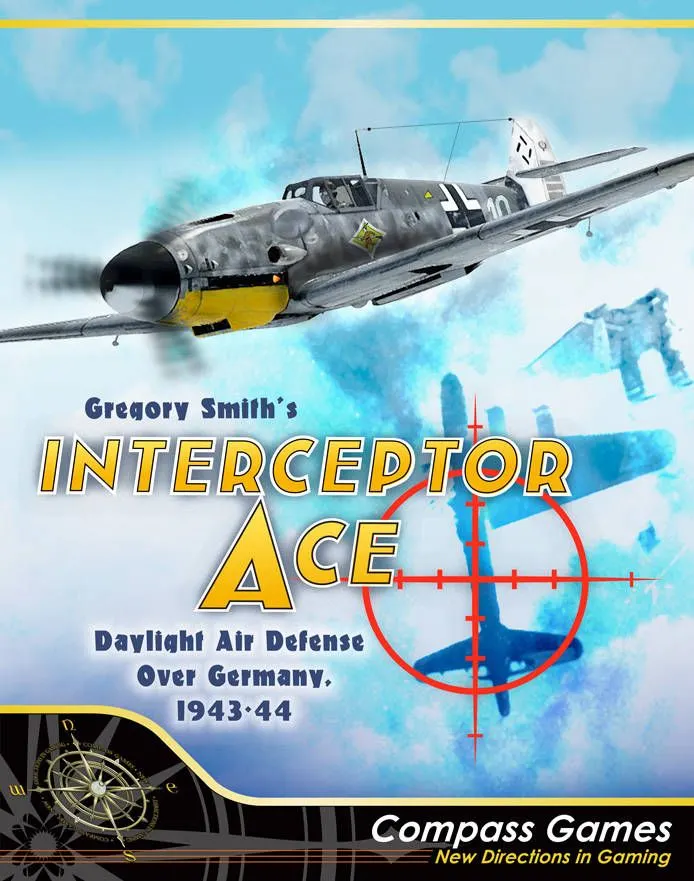
Interceptor Ace: Daylight Air Defense Over Germany, 1943-44
- 1 gracz
- 120–180 min
- Złożoność 2,5/5
- 2019
2018
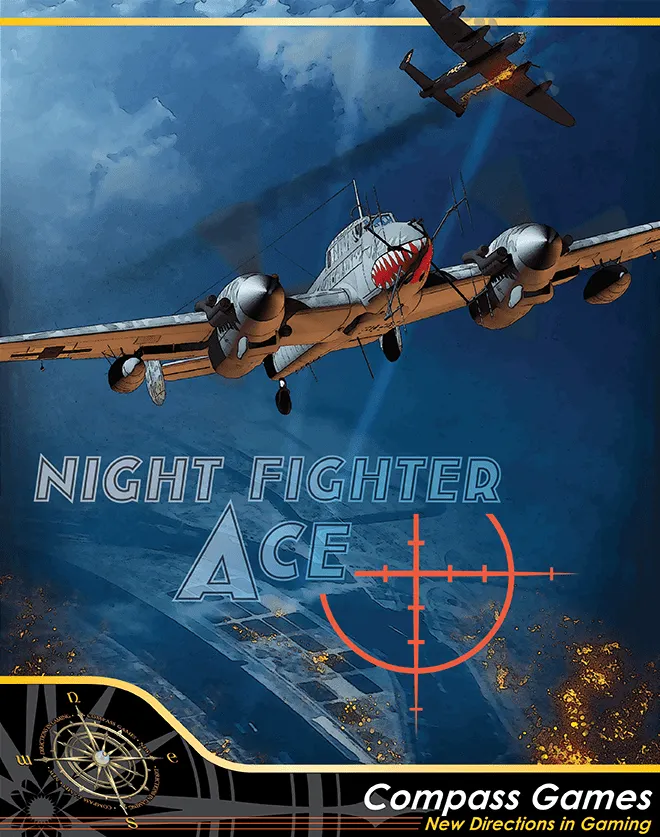
Pomoc w zasadach gry Nightfighter Ace: Air Defense Over Germany, 1943-44
Zrozumiałe wyjaśnienia tur, efektów kart i spornych sytuacji z odnośnikami do oficjalnych źródeł i zapisaną historią pytań.
Dla 1 gracza
Co chcesz wiedzieć?
Odpowiedzi pochodzą z oficjalnej instrukcji, ze stroną do sprawdzenia.
Nightfighter Ace: Air Defense Over Germany, 1943-44 to gra planszowa wydana w 2018 roku dla 1–2 graczy i z rozgrywką trwającą 120–180 minut. Projekt gry: Gregory M. Smith i Joe Gandara. Główne mechaniki: Dice Rolling, Simulation i Solo / Solitaire Game.

Po angielsku
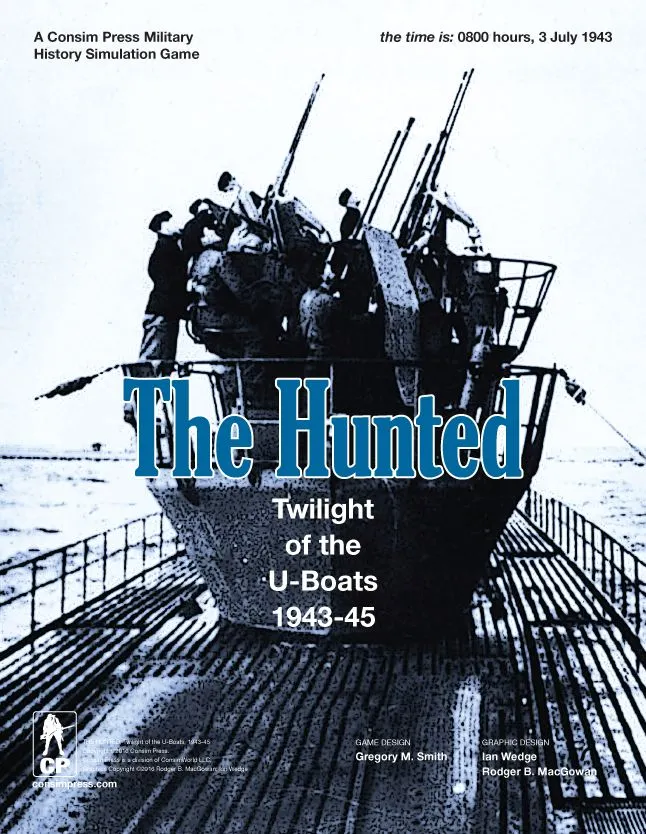
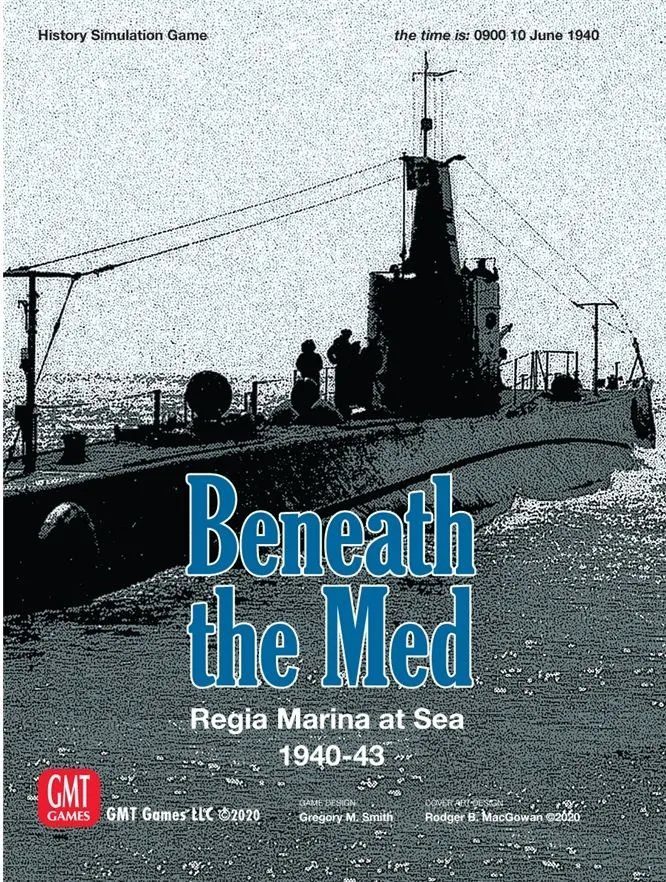
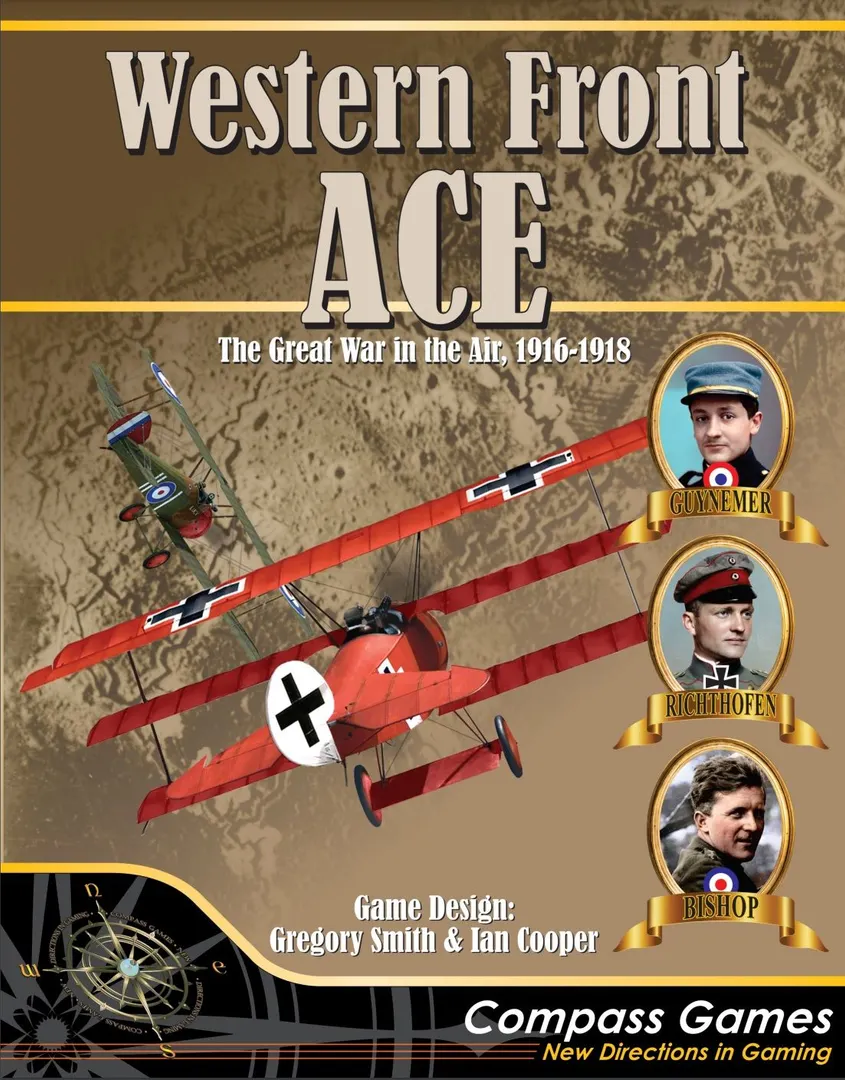
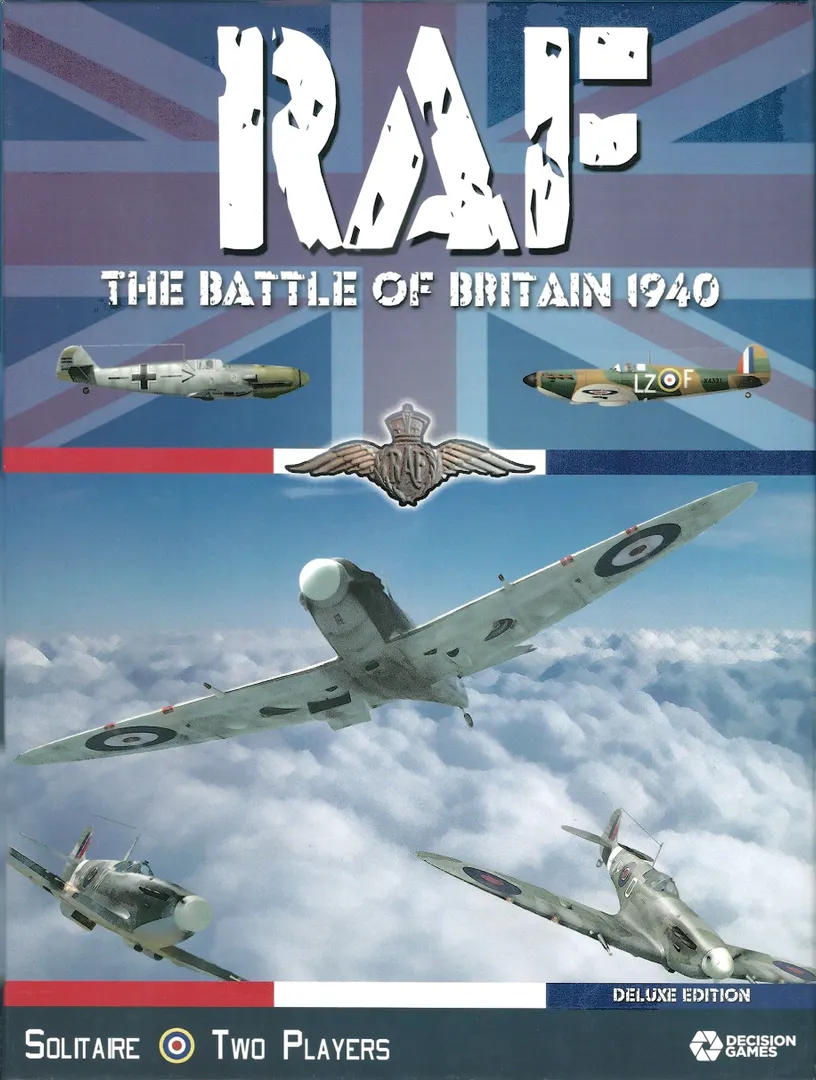
Nightfighter Ace, Air Defense Over Germany, 1943-44 is a solitaire, tactical level game which places you in command of a German Nightfighter during World War II. Each turn consists of several days, during which a combat mission will be flown from one of many bases in Europe, attempting to intercept incoming British Bombers. Nightfighter Ace is based on the popular, action-packed Hunters game system by Gregory M. Smith with a strong narrative around the pilot as you look to increase your prestige, earn skills, and rise in rank through promotion and receive awards. The objective of the game is to conduct numerous sorties in the role of a German Nightfighter pilot and rack up kills. Pilots may use the experience gained to improve their odds of success by purchasing skills. As their prestige increases, they may request a transfer to other nightfighter bases in an attempt to get "closer to the action" or request a newer type of nightfighter. Awards and ace status help to narrate the player's eventual goal – to become the top nightfighter ace of the war. The system is packed with rich technical detail but without the complexity to capture the key historical facets of the night bombing campaign over Germany. In terms of nightfighters alone, there are 32 nightfighter models available to pilot. The families of nightfighters include: Bf110 (10 aircraft) Ju88 (5 aircraft) Do 215/217 (6 aircraft) He219 (10 aircraft) Ta154 (1 aircraft) For each nightfighter, you will be tracking the date of availability, speed, area of operations based on originating base, individual weapon systems, electronic systems, damage, and crew status. Nightfighters can be assigned to one of seven possible major geographic base “groups” as follows: Dutch: Melsbroek, Schipol, Deelen, St. Trond, Twenthe, Leeuwarden, Venlo, Gilze-Rijen Bremen: Vechta, Schleswig-Holstein, Stade, Grove French: Florennes, Dijon, Juvincourt Berlin: Stendal, Parchim, Werneuchen Munich: Schleissheim, Neubiberg Műnster: Műnster Frankfurt: Mainz, Rhein-Main Besides the focus on hardware, the soft aspects of the war are also faithfully rendered for each pilot and crew. For example, air crew is characterized by various major and minor skills, including numerous Pilot skills, Funker (Radio Operator) skills, Bordmech. (Flight Engineer) skills, Bordschuetze (Rear Gunner) skills, and Prestige Level. The emphasis on various skills and benefits to gaining experience creates even a stronger narrative when compared to the Hunters game system, which helps weave a tense and dramatic narrative during play. One major change in Nightfighter Ace over Hunters is the ability to choose your crew improvements instead of randomly rolling for them. As these greatly impact on your combat capability (and survival), it is a major decision you must make. Game play moves quickly, following a set sequence of events that are repeated until the end of the game. Once you have your initial pilot and crew along with your nightfighter assignment, play proceeds by checking for incoming raid information while checking for weather prior to take off (as the sortie may be cancelled). One must also check for random electronic failure. Following successful take off, play proceeds by flying to the area you expect to intercept the British bombers. One is not immune to Spoof raids, in which case German ground control is deceived, causing you to burn precious time and fuel flying the wrong direction. As location boxes are entered, you will roll for possible intercept in which combat may ensue. Combat may consist of numerous rounds after which returning to base and landing operations occurs, with the weather playing a factor again as part of the landing procedure. When the mission is completed, you will ascertain any awards, Prestige points, or Experience points gained prior to you next sortie. Here you can also spend Prestige and Experience points if desired to gain skills, request a new nightfighter, or request a change of base. You will repeat this process by going to your next sortie until shot down and killed, or until July 1944 should you make it through unscathed. This game is highly accessible to those familiar with The Hunters or Silent Victory designed by Gregory M. Smith (published by Consim Press). The game system lends itself very well to capturing the tense air defense over Germany. While Nightfighter Ace is designed as a solitaire gaming experience, additional options for play are provided for both multi-player cooperative and competitive gaming sessions. Product Information: Complexity: 6 out of 10 Solitaire Suitability: 10 out of 10 Time Scale: 3-4 days per Turn Map Scale: Abstract Unit Scale: individual aircraft, individual weapon systems, individual electronic systems, specific crew members, and ammo rounds Players: one (with option for two or more) Playing Time: two to three hours Components: One Countersheet of 9/16″ unit-counters Sixteen Aircraft Display Mats 8.5″ x 11″ (double-sided, 32 total) Four Player Aid Cards 8.5″ x 11″ One Combat Display Mat 8.5″ x 11″ One Bomber Target Mat 8.5″ x 11″ One Pilot Awards Display Mat 8.5″ x 11″ One Air Operations Display Mat 11” x 17” Forty Ace Pilot Cards Sixty Combat Cards Rules Booklet featuring extensive Historical Background One Logsheet 8.5” x 11” Two 6-sided and one 10-sided die Box and Lid —description from the publisher
Według katalogu Nightfighter Ace: Air Defense Over Germany, 1943-44 obsługuje od 1 do 2 graczy. Ten zakres odpowiada liczbie graczy podanej przez wydawcę, więc grę można przygotować dla dowolnej grupy w jego granicach. Przygotowanie, niektóre zasady i punktacja mogą jednak różnić się w zależności od liczby graczy; dokładną konfigurację sprawdź w instrukcji swojego wydania.
Podany czas rozgrywki w Nightfighter Ace: Air Defense Over Germany, 1943-44 wynosi 120–180 minut. To szacunek wydawcy dla pełnej partii. Rzeczywisty czas zależy od grupy, liczby graczy i znajomości zasad: pierwsze partie zwykle trwają dłużej, a doświadczone grupy kończą szybciej. Przygotowanie gry i tłumaczenie zasad nie są wliczone w ten szacunek.
Nightfighter Ace: Air Defense Over Germany, 1943-44 ma ocenę złożoności 2,3 na 5 według graczy BoardGameGeek, co czyni ją grą raczej lekką. Ocena pokazuje, ile znajomości zasad, planowania i podejmowania decyzji wymaga typowa rozgrywka. Cięższe gry wymagają dłuższego pierwszego tłumaczenia, dlatego przed wieczorem z grami warto skorzystać z przewodnika przygotowania.
Nightfighter Ace: Air Defense Over Germany, 1943-44 należy do tych kategorii: Wargame, World War II i Aviation / Flight. Główne mechaniki to Dice Rolling, Simulation i Solo / Solitaire Game. Kategorie opisują temat i świat gry, a mechaniki to, co gracze faktycznie robią w swojej turze. Każda mechanika prowadzi do strony katalogu z podobnymi grami, co pomaga znaleźć coś porównywalnego na kolejny wieczór.
Autorzy wymienieni przy Nightfighter Ace: Air Defense Over Germany, 1943-44 to: Gregory M. Smith i Joe Gandara. Te informacje pochodzą z opublikowanych danych gry i wskazują osoby odpowiedzialne za jej projekt, a nie ilustratorów czy wydawców. Strony autorów w MeepleRules zbierają inne tytuły tych samych twórców, co pomaga, gdy gra ci się podoba i szukasz podobnych.
W katalogu Nightfighter Ace: Air Defense Over Germany, 1943-44 figuruje jako gra podstawowa. Można w nią grać samodzielnie, korzystając z elementów z pudełka, bez żadnego innego tytułu. Dodatki, jeśli istnieją, dokładają nową zawartość lub zasady i są wymienione w katalogu osobno, z odnośnikiem do tej gry podstawowej.