
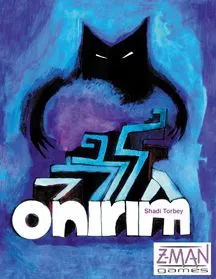
- Pozycja w BGG
- BGG #1870
- Ocena BGG
- 6,6
Onirim
- 1–2 graczy
- 15 min
- Złożoność 1,7/5
- 2010
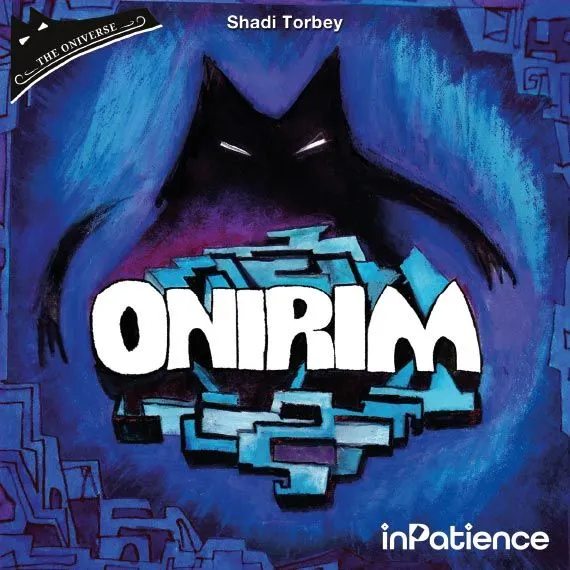
2014
Pomoc w zasadach gry Onirim (Second Edition)
Zrozumiałe wyjaśnienia tur, efektów kart i spornych sytuacji z odnośnikami do oficjalnych źródeł i zapisaną historią pytań.
Dla 1 gracza
Co chcesz wiedzieć?
Odpowiedzi pochodzą z oficjalnej instrukcji, ze stroną do sprawdzenia.
Onirim (Second Edition) to gra planszowa wydana w 2014 roku dla 1–2 graczy, z rozgrywką trwającą 15 minut i dla osób od 10 lat. Projekt gry: Shadi Torbey. Główne mechaniki: Hand Management, Set Collection i Cooperative Game.


Po angielsku
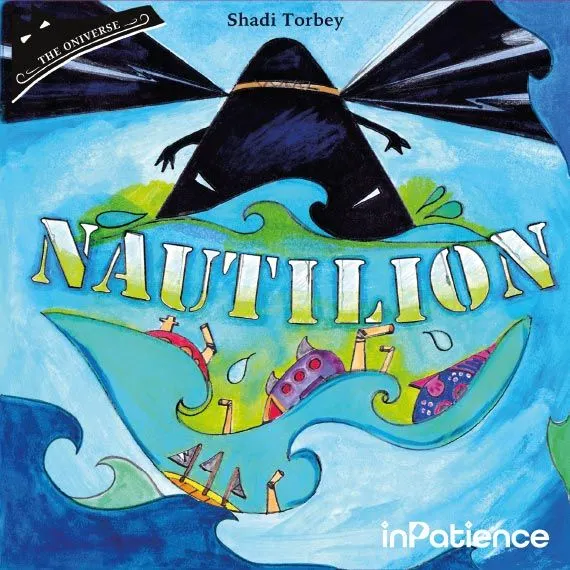
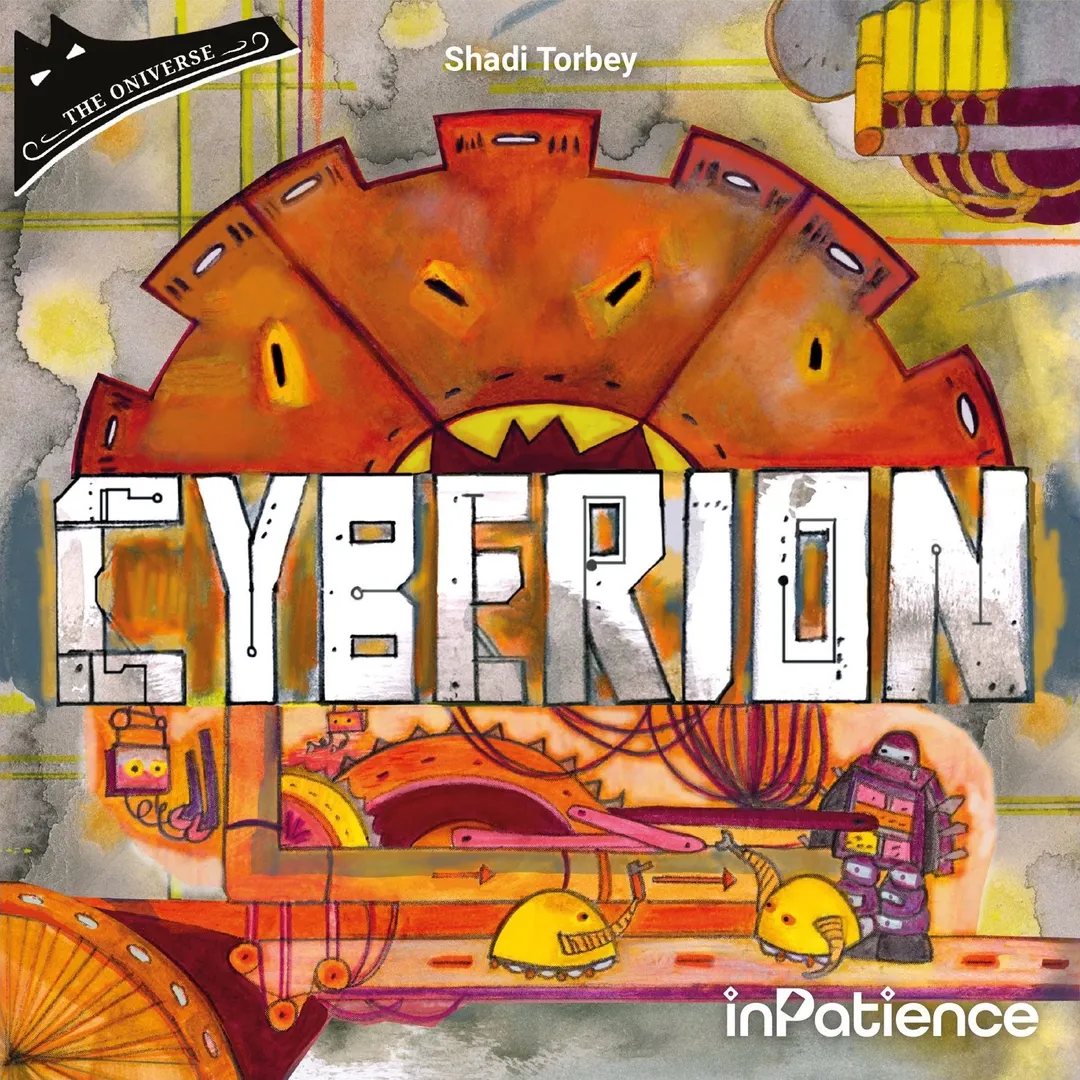
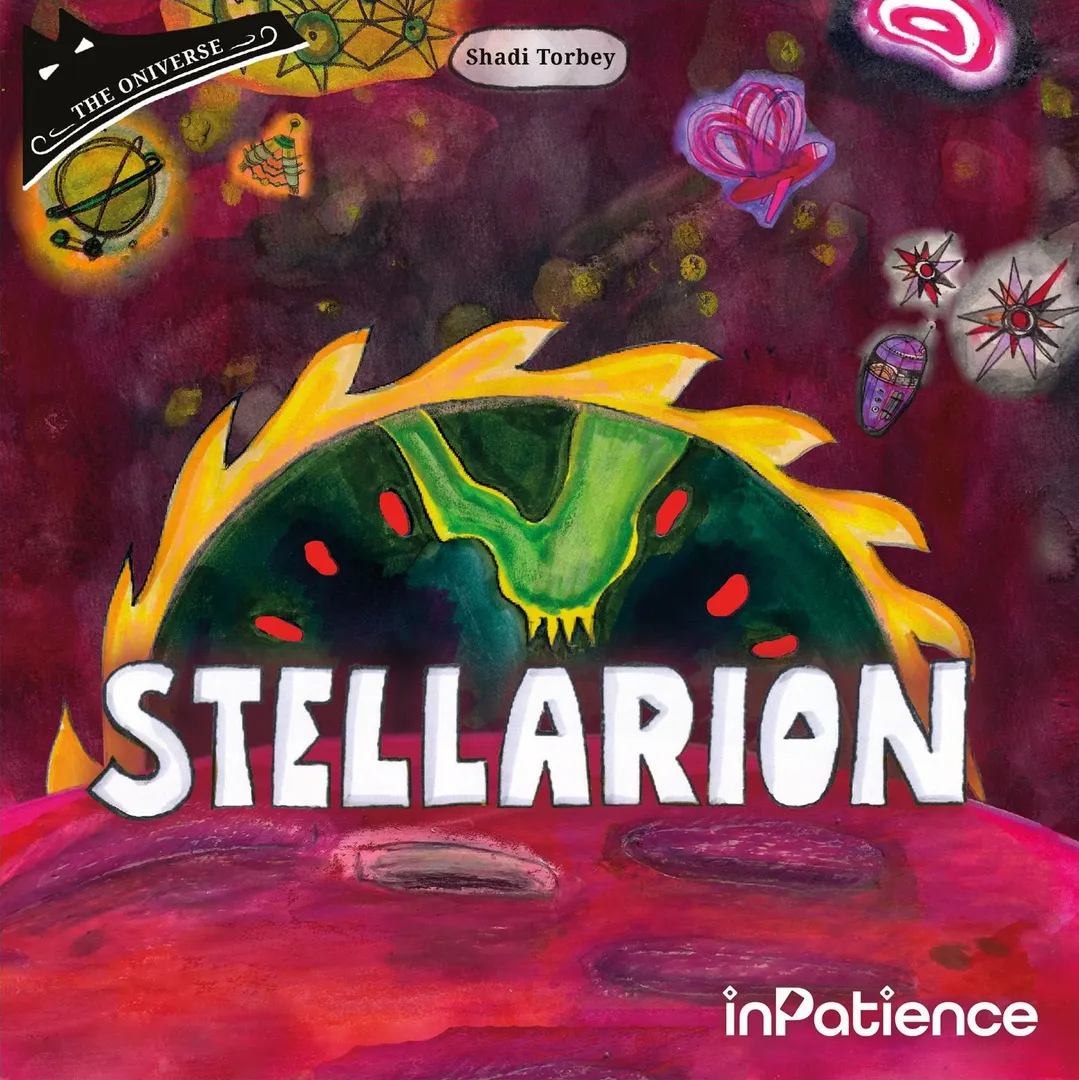
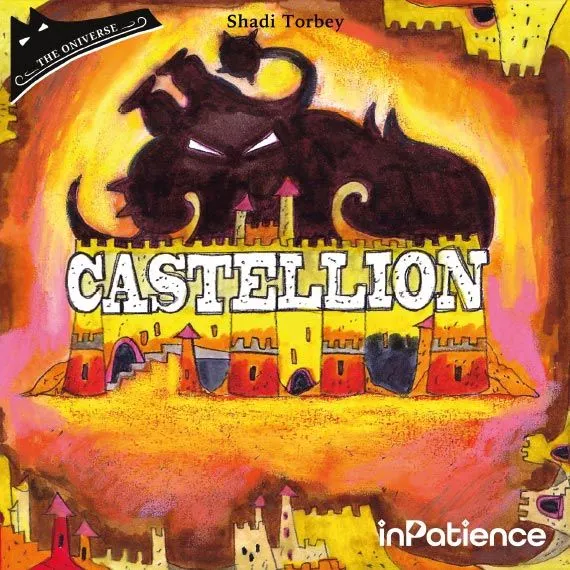
You are a Dreamwalker, lost in a mysterious labyrinth, and you must discover the oneiric doors before your dreamtime runs out – or you will remain trapped forever! You may wander through the chambers of dreams, hoping that chance will reveal the doors, or you can linger in each type of room. In both cases, you will have to deal with the slithering Nightmares, which haunt the hallways of the labyrinth. Onirim is a solo/cooperative card game. You (and a partner, if you wish) must work (together) against the game to gather the eight Door cards before the deck runs out; you can obtain those Door cards either by playing cards of the same color three turns in a row, or by discarding (under specific circumstances) one of your powerful Key cards. In both cases you will have to decide the best use of each card in your hand and carefully play around the Nightmares. Those cards are hidden in the deck and will trigger painful dilemmas when drawn... Seven mini-expansions, all standalone and compatible with one another, are included with the second edition of Onirim, including these three that were in the first edition of the game: "The Towers" introduces a new type of card that allows more searching and deck manipulation, while also imposing an additional victory condition. "Happy Dreams and Dark Premonitions" adds evil time bombs that will impede your progress at predictable moments of your quest as well as helpful but unreliable allies. In "The Book of Steps Lost and Found", you must find the eight Door cards in a randomly given order and may remove discarded cards from the game to cast powerful spells that will help you complete this difficult task. In addition to these three variants from the first edition, there are four new modules in the Onirim 2nd edition box. Just like previously, each module consists of something that makes the game easier and something that makes the game harder: "The Glyphs" introduces a fourth symbol on location cards (apart from Key, Sun and Moon), which makes it easier to compose the row of unrepeated symbols. Player must then find one extra door of each color (so 12 doors in total) to win "The Dreamcatchers" are four cards that "guard" the Limbo piles. The Limbo pile stays with Dreamcatcher until some effect allows the player to shuffle the pile back to the deck... if all Dreamcatchers are full and new cards should come to Limbo, a Dreamcatcher is discarded and his cards shuffled back. Also, four new "Lost Dreams" cards are supposed to be in Limbo at the end of the game, as an extra winning condition - so discarding all Dreamcatchers means loss. "The Crossroads and Dead Ends" introduce location cards with a given symbol (3 Sun, 2 Moon, 1 Key), but serving as any color "joker". It also contains 10 "Dead End" cards, that remain in players hand (un-discard-able on its own) and block her 5-cards hand limit... until a player discards the whole hand (=the only way to discard a Dead End). "The Door To The Oniverse" brings several one-time abilities cards as "inhabitants of the Oniverse"... and one extra colorless door to find. Apart from all those, there are a few special rules to use the dark meeple in the game (which interferes with Nightmare cards resolving), making the game easier or harder, depending on the chosen variant.
Według katalogu Onirim (Second Edition) obsługuje od 1 do 2 graczy. Ten zakres odpowiada liczbie graczy podanej przez wydawcę, więc grę można przygotować dla dowolnej grupy w jego granicach. Przygotowanie, niektóre zasady i punktacja mogą jednak różnić się w zależności od liczby graczy; dokładną konfigurację sprawdź w instrukcji swojego wydania.
Podany czas rozgrywki w Onirim (Second Edition) wynosi 15 minut. To szacunek wydawcy dla pełnej partii. Rzeczywisty czas zależy od grupy, liczby graczy i znajomości zasad: pierwsze partie zwykle trwają dłużej, a doświadczone grupy kończą szybciej. Przygotowanie gry i tłumaczenie zasad nie są wliczone w ten szacunek.
Katalog podaje dla Onirim (Second Edition) wiek od 10 lat. To zalecenie wydawcy, które uwzględnia wymagania dotyczące czytania, złożoność zasad i drobne elementy, a nie tylko tematykę. Młodsi gracze często mogą dołączyć z pomocą dorosłego; sprawdź zalecenie wiekowe swojego wydania i weź pod uwagę doświadczenie grupy z grami planszowymi.
Onirim (Second Edition) ma ocenę złożoności 1,6 na 5 według graczy BoardGameGeek, co czyni ją grą lekką. Ocena pokazuje, ile znajomości zasad, planowania i podejmowania decyzji wymaga typowa rozgrywka. Cięższe gry wymagają dłuższego pierwszego tłumaczenia, dlatego przed wieczorem z grami warto skorzystać z przewodnika przygotowania.
Onirim (Second Edition) należy do tych kategorii: Card Game, Fantasy i Exploration. Główne mechaniki to Hand Management, Set Collection i Cooperative Game. Kategorie opisują temat i świat gry, a mechaniki to, co gracze faktycznie robią w swojej turze. Każda mechanika prowadzi do strony katalogu z podobnymi grami, co pomaga znaleźć coś porównywalnego na kolejny wieczór.
Autorzy wymienieni przy Onirim (Second Edition) to: Shadi Torbey. Te informacje pochodzą z opublikowanych danych gry i wskazują osoby odpowiedzialne za jej projekt, a nie ilustratorów czy wydawców. Strony autorów w MeepleRules zbierają inne tytuły tych samych twórców, co pomaga, gdy gra ci się podoba i szukasz podobnych.
W katalogu Onirim (Second Edition) figuruje jako gra podstawowa. Można w nią grać samodzielnie, korzystając z elementów z pudełka, bez żadnego innego tytułu. Dodatki, jeśli istnieją, dokładają nową zawartość lub zasady i są wymienione w katalogu osobno, z odnośnikiem do tej gry podstawowej.