
- Pozycja w BGG
- BGG #7328
- Ocena BGG
- 7,3
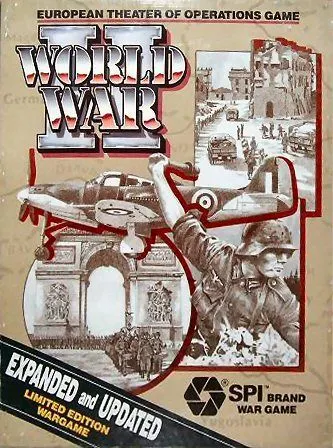
World War II: European Theater of Operations
- 2–5 graczy
- 240–1200 min
- Złożoność 4,0/5
- 1985
1987
Pomoc w zasadach gry Onslaught
Zrozumiałe wyjaśnienia tur, efektów kart i spornych sytuacji z odnośnikami do oficjalnych źródeł i zapisaną historią pytań.
Dla 2 graczy
Co chcesz wiedzieć?
Odpowiedzi pochodzą z oficjalnej instrukcji, ze stroną do sprawdzenia.
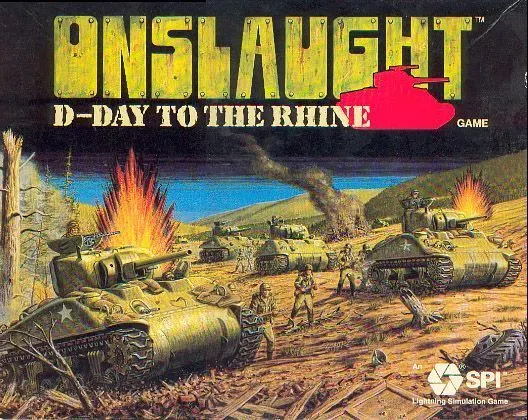
Onslaught to gra planszowa wydana w 1987 roku dla 2 graczy, z rozgrywką trwającą 240 minut i dla osób od 12 lat. Projekt gry: Douglas Niles. Główne mechaniki: Dice Rolling, Hexagon Grid i Action Points.


Po angielsku
Wargame based around the WW2 Western Allied campaign from just after the Normandy invasion to the crossing of the Rhine. First significant mechanic is the unpredictable turn order - players dice for each turn, with the highest taking the turn. However, ties end that month's play (players draw fresh supply points each month, and the game ends after 20 months). Second significant mechanic is the use of (limited) supply points to activate stacks of units when it's your turn. Like games such as We the People/Hannibal: Rome vs. Carthage/Rommel in the Desert/Napoleon, you don't have the resources to activate all of your units each turn, you need to decide what the current priority is in line with the current situation. Activation generally allows you to either move stacks or attack with stacks, but with an increased expenditure of supply points, you can take more powerful 'breakthrough' turns involving both movement and attack. These mechanics (unpredictable turn order, limited ability to activate units each turn) create a game of fluid tactical situations, where your planning has to be flexible - you never know who will get the next turn. The Allied player has to break out of the beach head and capture additional supply ports (which raise the number of supply points available to the Allies, and hence the number of activations possible) en route to Germany. The German player must contain the Allies in Normandy for as long as possible before falling back to the Rhine, while also denying the valuable supply ports to the Allies as long as possible. The Allies are up against a tight timetable; the Germans must work against as increasing disadvantage in supply points. Victory is generally determined by the difference in numbers between German units West of the Rhine and Allied units East of the Rhine at game end. Allied paratroops, the German Bulge offensive, reinforcements/replacements and strategic movement add to the game. The big mounted map with large hexes and counters remove the 'fiddle factor' which can blight wargames with lower production values. Republished in Command Magazine Japan #64 in 2005.
Według katalogu Onslaught obsługuje 2 graczy. To liczba graczy podana przez wydawcę, więc gra jest zaprojektowana dokładnie dla takiej liczby uczestników. Warianty dla grup innej wielkości, jeśli w ogóle istnieją, opisano w instrukcji twojego wydania; sprawdź ją uważnie, zanim przygotujesz inną konfigurację stołu.
Podany czas rozgrywki w Onslaught wynosi 240 minut. To szacunek wydawcy dla pełnej partii. Rzeczywisty czas zależy od grupy, liczby graczy i znajomości zasad: pierwsze partie zwykle trwają dłużej, a doświadczone grupy kończą szybciej. Przygotowanie gry i tłumaczenie zasad nie są wliczone w ten szacunek.
Katalog podaje dla Onslaught wiek od 12 lat. To zalecenie wydawcy, które uwzględnia wymagania dotyczące czytania, złożoność zasad i drobne elementy, a nie tylko tematykę. Młodsi gracze często mogą dołączyć z pomocą dorosłego; sprawdź zalecenie wiekowe swojego wydania i weź pod uwagę doświadczenie grupy z grami planszowymi.
Onslaught ma ocenę złożoności 2,5 na 5 według graczy BoardGameGeek, co czyni ją grą raczej lekką. Ocena pokazuje, ile znajomości zasad, planowania i podejmowania decyzji wymaga typowa rozgrywka. Cięższe gry wymagają dłuższego pierwszego tłumaczenia, dlatego przed wieczorem z grami warto skorzystać z przewodnika przygotowania.
Onslaught należy do tych kategorii: Wargame i World War II. Główne mechaniki to Dice Rolling, Hexagon Grid i Action Points. Kategorie opisują temat i świat gry, a mechaniki to, co gracze faktycznie robią w swojej turze. Każda mechanika prowadzi do strony katalogu z podobnymi grami, co pomaga znaleźć coś porównywalnego na kolejny wieczór.
Autorzy wymienieni przy Onslaught to: Douglas Niles. Te informacje pochodzą z opublikowanych danych gry i wskazują osoby odpowiedzialne za jej projekt, a nie ilustratorów czy wydawców. Strony autorów w MeepleRules zbierają inne tytuły tych samych twórców, co pomaga, gdy gra ci się podoba i szukasz podobnych.
W katalogu Onslaught figuruje jako gra podstawowa. Można w nią grać samodzielnie, korzystając z elementów z pudełka, bez żadnego innego tytułu. Dodatki, jeśli istnieją, dokładają nową zawartość lub zasady i są wymienione w katalogu osobno, z odnośnikiem do tej gry podstawowej.